A No-Nonsense Guide to Quartz Carbon Fiber Heating Lamps
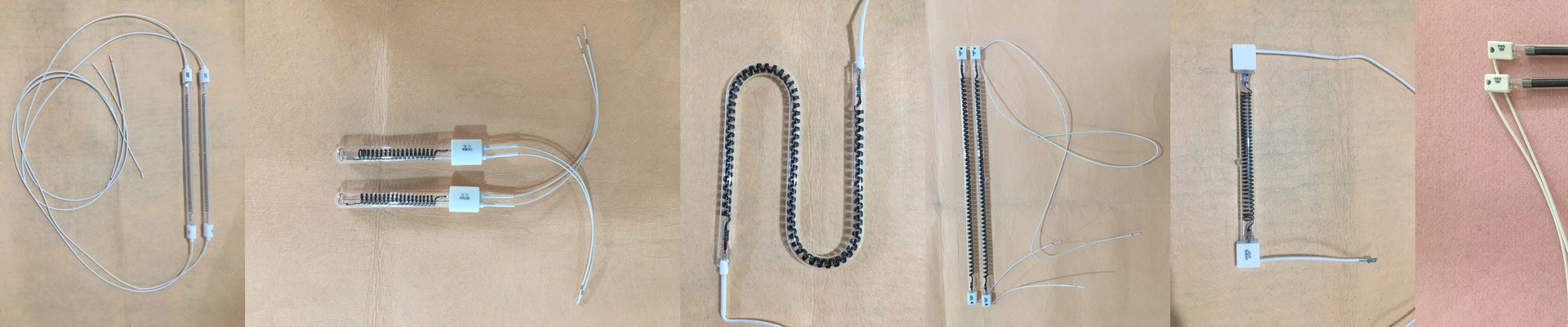
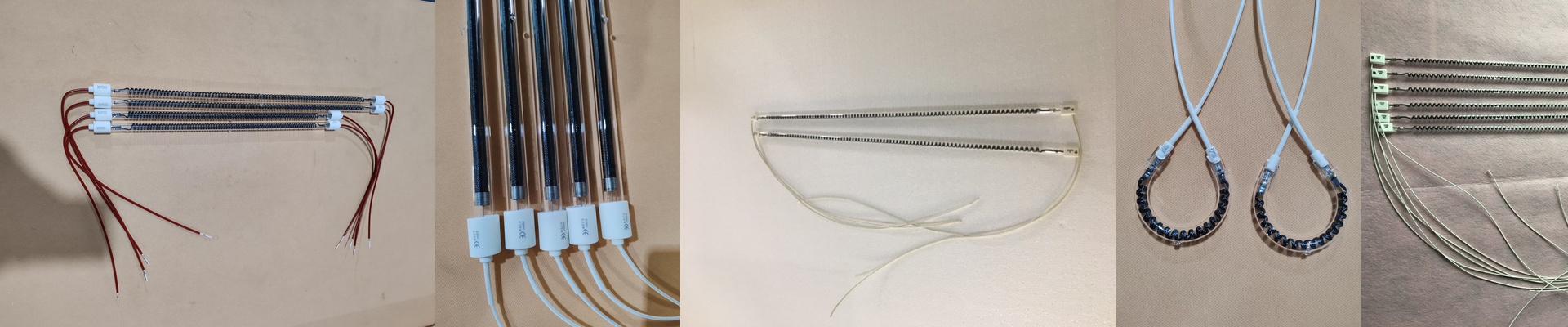
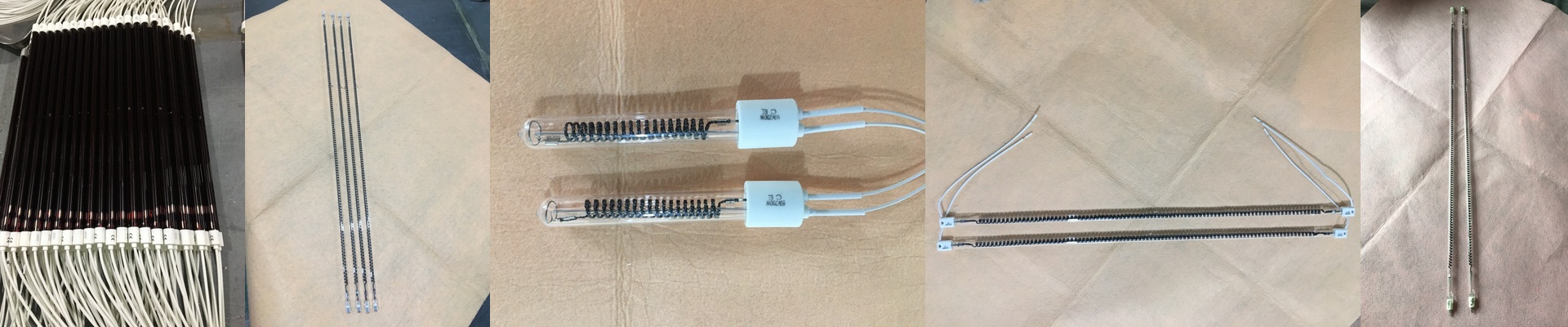
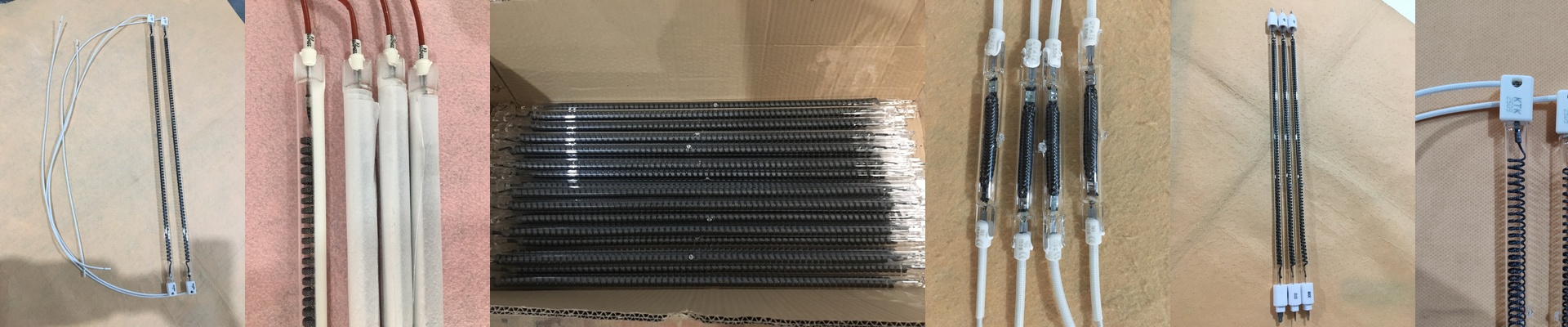
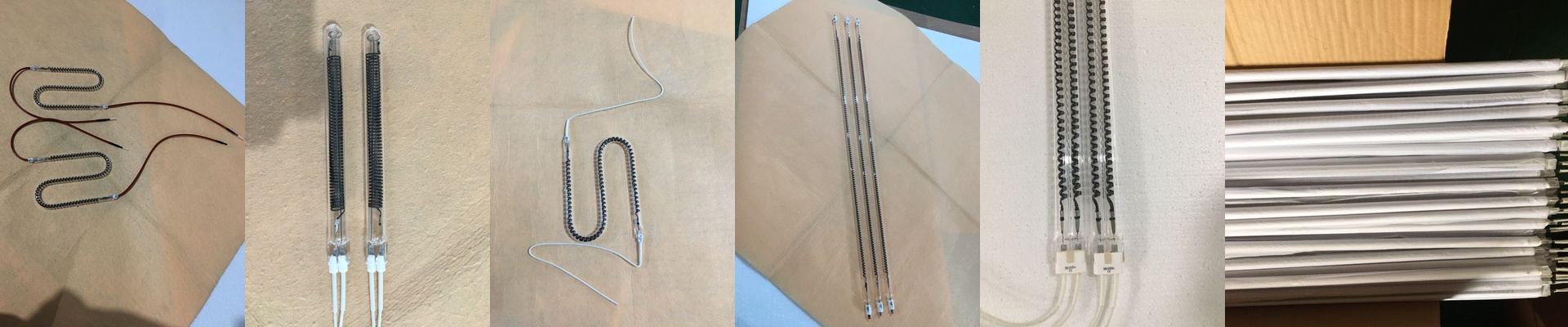
Think of these lamps as high-intensity heat beams. Instead of wasting time warming up all the air in the room, they use a carbon fiber filament tucked inside a pure quartz tube to shoot short-wave radiation straight at your workpiece. It’s direct. It’s efficient. Let’s talk power. The heat you get depends on your wattage and voltage. If you cram high wattage into a short tube, you’ve got a lot of power density. That’s exactly what you want if you’re trying to speed up your cycle times. Sure, cranking up the voltage gets you to temperature faster, but be careful. Make sure your wiring and controllers can actually handle that current, or you’re just asking for a meltdown. Why quartz and carbon? We use quartz for the outer shell because it basically lets the infrared waves sail right through without getting in the way. Inside, the carbon fiber is the real hero. It can take a beating at temperatures that would make standard nichrome wire sag or just snap. When it comes to plugging them in, we usually stick with R7s or Sk15 connectors. They’re simple, they fit tight, and they stop those annoying arcs from jumping at the terminals. Some of these even come with special coatings if you need to tweak the heat spectrum or keep chemical fumes from eating the glass. Putting them to work. You’ll see these all over the place in PET blowing and plastic curing. They’re great because they soften polymers instantly without turning your mold into a puddle. They don’t take up much space, and they react almost immediately. But here’s the catch: they’re a bit temperamental. Because they concentrate so much heat, they hate physical shocks. If your cooling fans quit, or if someone touches a hot tube with a cold, damp rag, the quartz will shatter. Simple as that. Also, keep your mounting brackets tight. Vibration is the fastest way to kill a filament.