Getting the Most Out of Your Carbon Filament Lamps
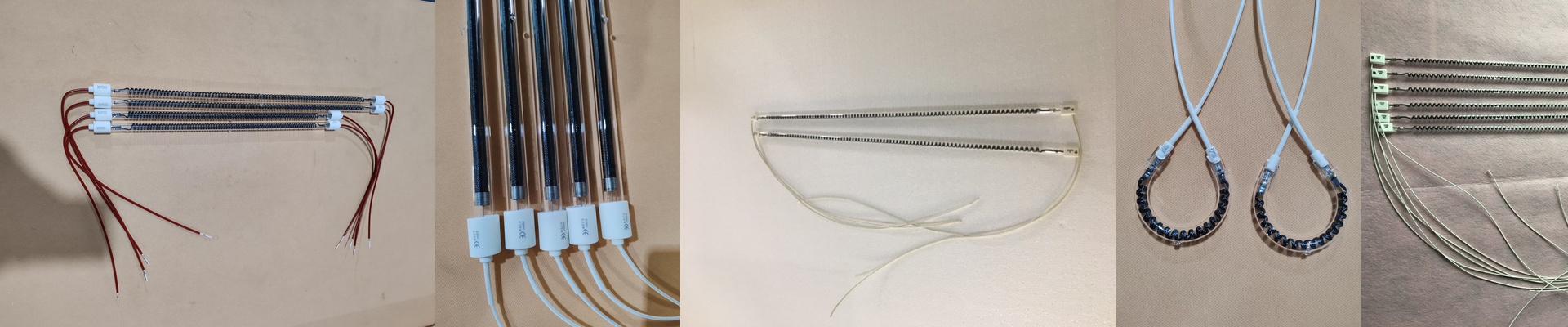
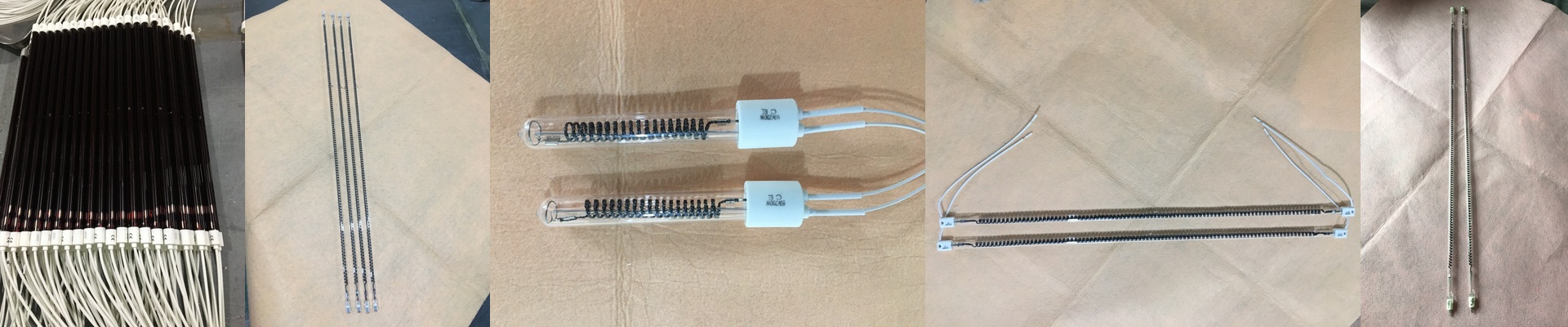
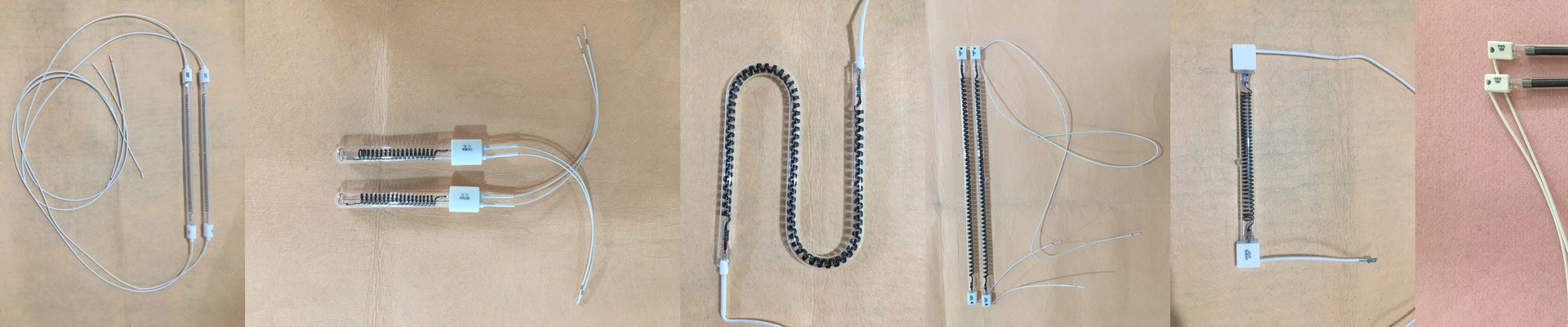
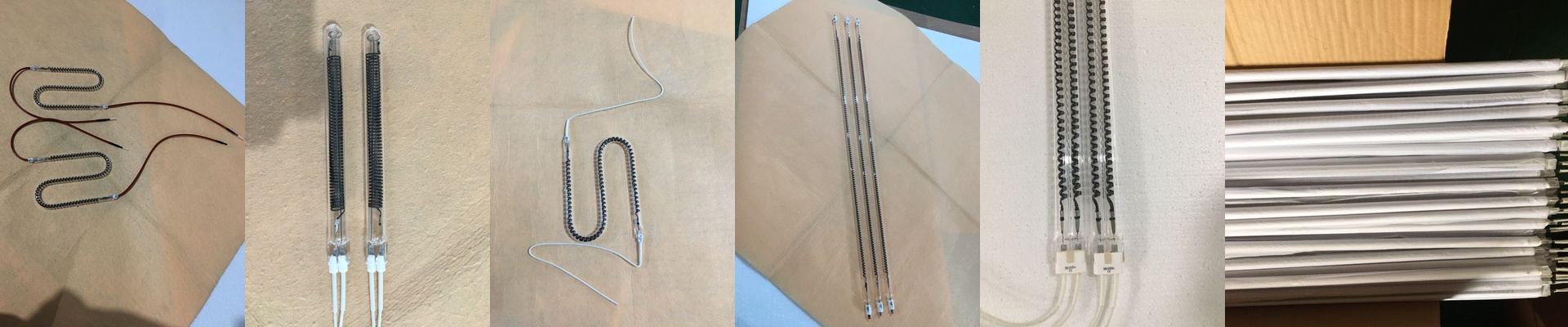
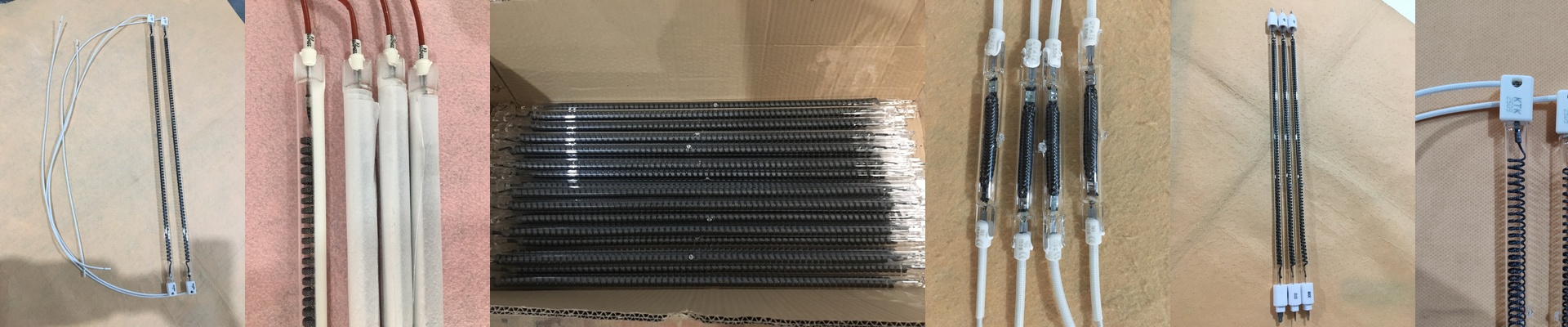
Ever wonder why some heaters just skim the surface while others actually get into the material? That’s the magic of carbon filament lamps. Instead of just blasting the outside with heat, these things push long-wave infrared deep into whatever you’re working on. It’s a different kind of heat—more of a soak than a sear. Let’s talk power. It all comes down to the tug-of-war between voltage and wattage. If you need your gear to heat up fast, go for the high-wattage units. But here is the catch: you’ve got to be careful with your power supply. I’ve seen people try to “over-volt” a lamp to get a bit more punch at the start. Don’t do that. It might look great for a minute, but you’re basically killing the filament. It’ll burn out way faster than it should. Just make sure your controllers are dialed in to the actual resistance of the carbon. The build quality To keep the carbon from just oxidizing and disappearing, we wrap everything in high-purity quartz. One thing to watch out for? The end caps. Make sure those connections are tight. A loose fit is a recipe for disaster—you’ll get arcing and those nasty hot spots that ruin everything. Depending on what you’re doing, we can also add some special coatings to the glass. This helps shift the heat spectrum or just keeps the grime of a busy shop from gunking up the works. Putting them to work You’ll see these all over the place—PET blowing, plastic welding, or those long industrial drying lines. They’re great because they just slide right into the spots where you used to have old resistive heaters. The real win here is how they handle organic materials. Since carbon filaments run cooler than tungsten but push more of that long-wave IR, you can heat things through without scorching the surface. No burnt edges, no ruined parts. Just a heads-up: these high-power lamps throw off a lot of waste heat. If you cram them too close together in a heating bank, the air around them is going to get stifling. Give them some breathing room. Throw in some cooling fans or spec out your ventilation properly so your housing doesn’t melt down.