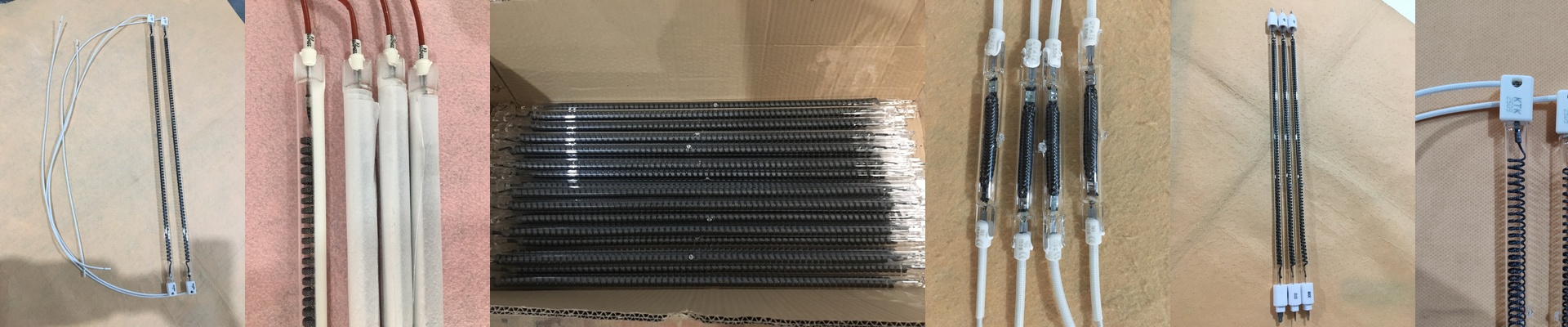
Stop Treating Your IR Heaters Like Trash
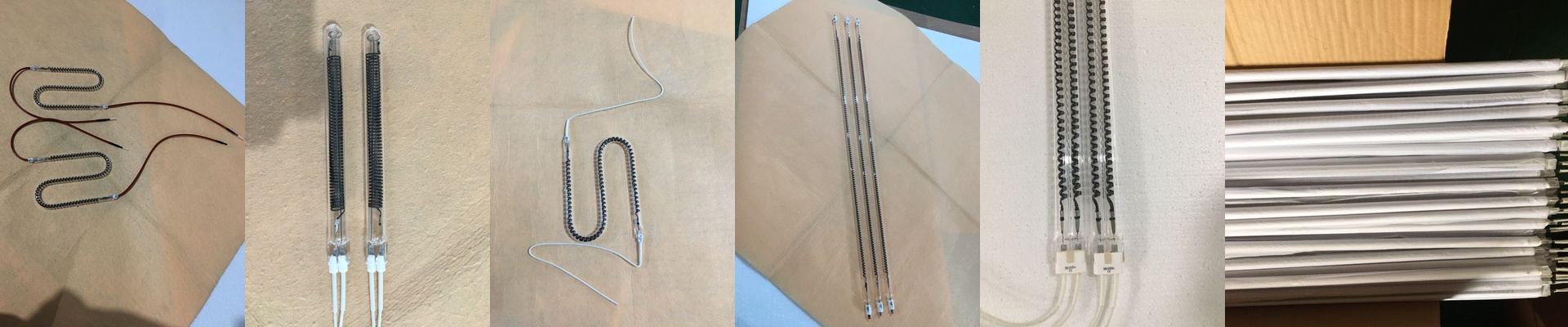
In a lot of electronics shops, infrared lamps are treated like batteries—you use them until they pop, toss them in the bin, and slide in a new one. It’s a frustrating cycle. You’re dealing with constant unplanned downtime and a growing pile of waste, all because the industry has leaned too hard into “cheap and replaceable.” But there’s a better way to do this.
Why lamps actually burn out
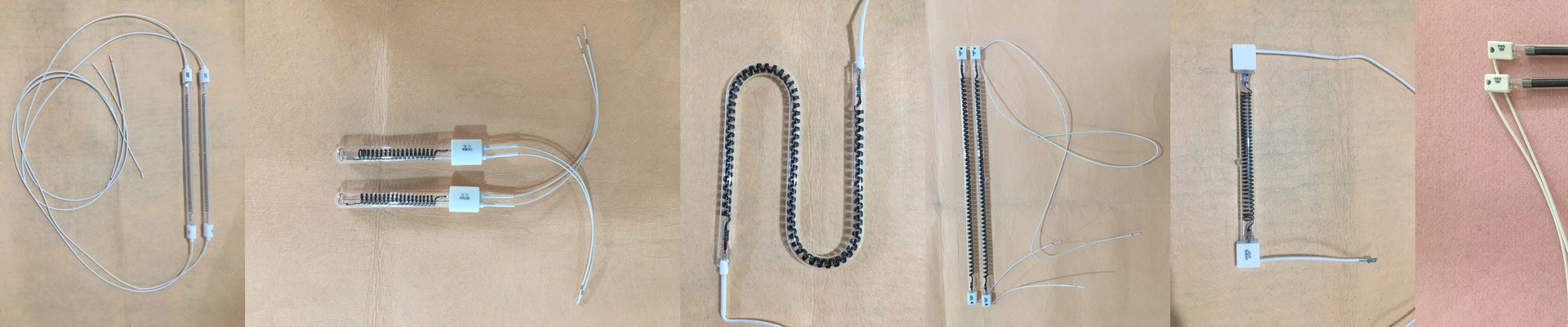
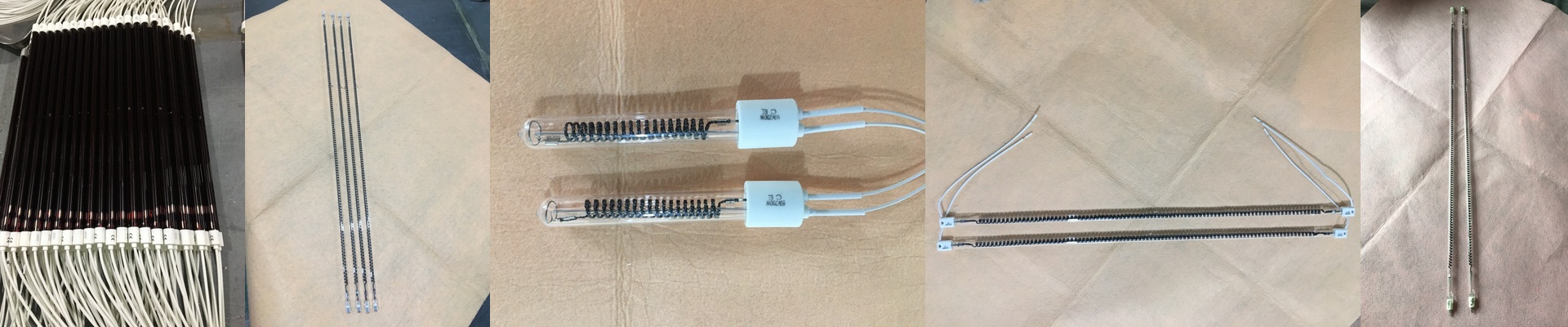
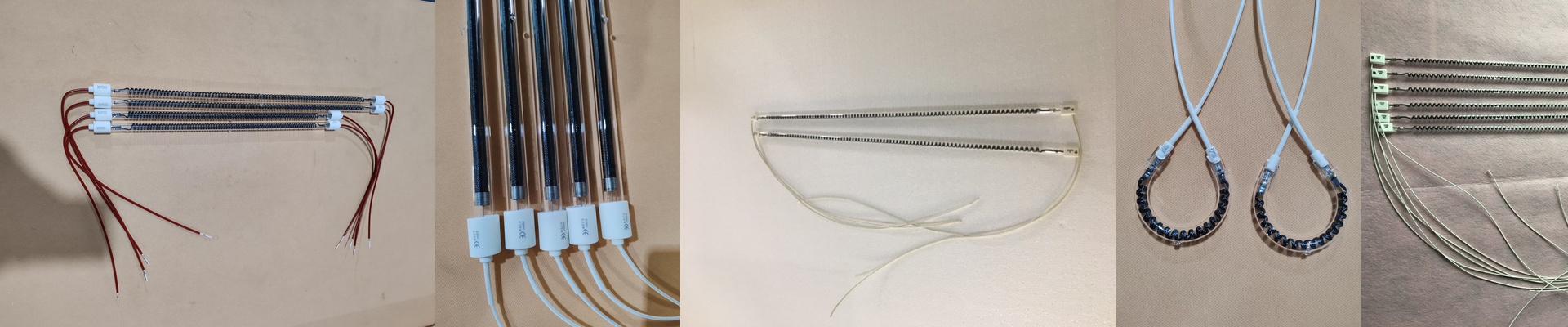
Here is the thing: most short-wave lamps die because the filament simply evaporates. It’s basic physics. To stop that, we use high-purity quartz and halogen gas. Think of the halogen cycle as a cleanup crew. It grabs that evaporated tungsten and puts it right back onto the filament. This stops those annoying thin spots from forming, which is usually what kills the lamp. And a quick tip? Watch your voltage. If you push a lamp to its absolute limit, it runs hotter. Hotter means shorter life. It’s that simple. Keep your power supply steady and avoid those spikes, and your hardware will thank you.
The little things that cause big headaches
It’s not just about the bulb. The connections matter too. We stick with R7s or SK15 connectors because they actually stay put. When a connection gets loose, you get arcs. Those little sparks create intense heat that can melt your housing and kill the lamp in record time. It’s a messy way to fail. Then there’s the quartz coating. These are great for bouncing heat back toward your work, which saves energy. But they can be a pain to clean. If your shop is full of oil mist or chemical vapors, make sure you pick a coating that can handle the heat cycles without peeling or cracking.
Making it last
A high-end lamp is only as good as the gear around it. If your cooling fans aren’t up to the task, the housing overheats. Once that happens, it doesn’t matter how fancy the gas fill is—the lamp is going to die. Plus, you’ve got to keep them clean. Dust builds up, creates hot spots, and then—snap—the glass fails. Set a schedule. Wipe the tubes down. Keep the voltage stable. Once you do that, you can stop treating your heaters like disposable napkins.