Stop Settling for “Generic” IR Heating
Most heating lamps start out as white-label OEM parts. They’re fine for basic stuff, but we spent ten years moving away from that. Why? Because when you’re assembling high-end electronics, “close enough” doesn’t cut it. If your heat output swings by even 5%, you aren’t just looking at a spec error. You’re looking at a bin full of scrapped parts. That’s a costly mistake.
The Trick to Power and Voltage
We spend a lot of time obsessing over how wattage, voltage, and tube length play together. Take a 400V setup. By going high-voltage, we can cram more wattage into a specific length without blowing a circuit. It creates that concentrated punch of thermal energy you need for rapid curing. The result? You hit your target temperature way faster. Just a heads-up, though: make sure your power supplies can actually handle those spikes. If they can’t, your filaments will burn out way sooner than they should.
What’s Actually Inside the Lamp
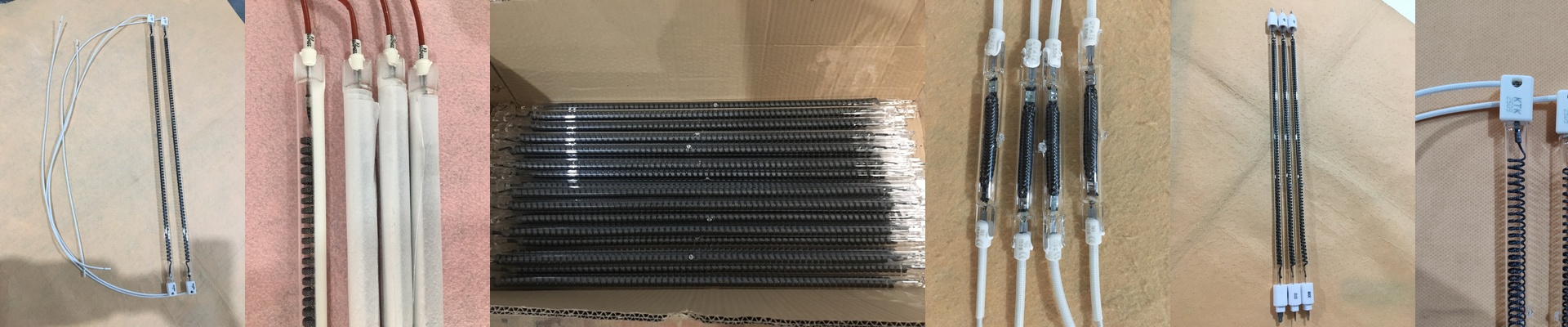
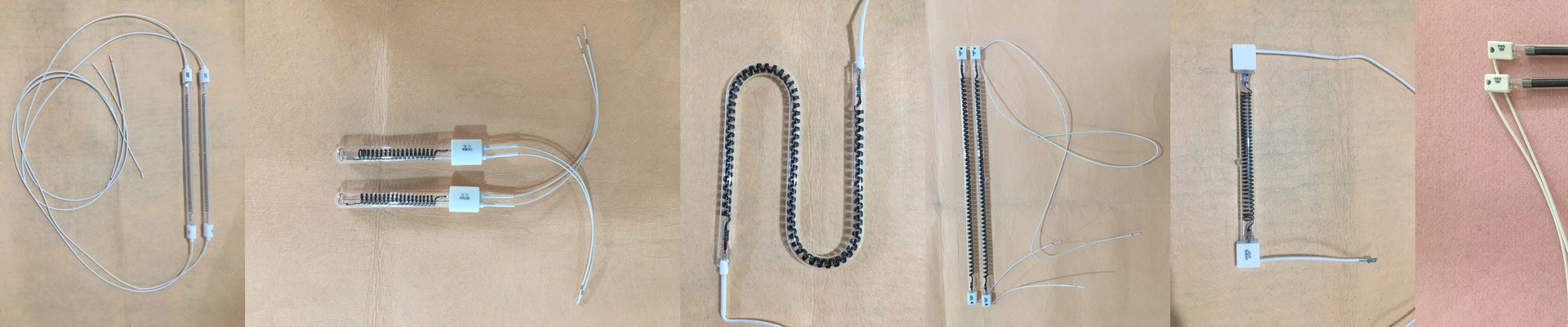
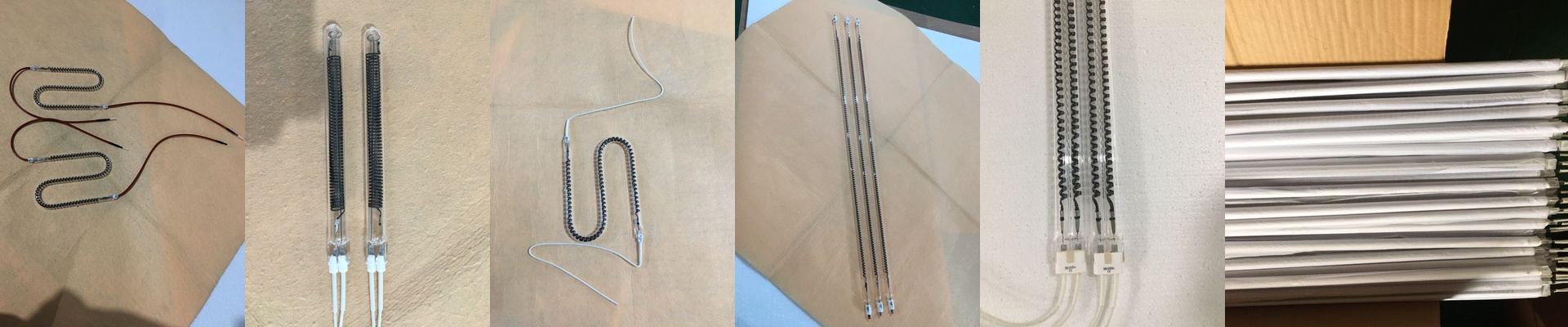
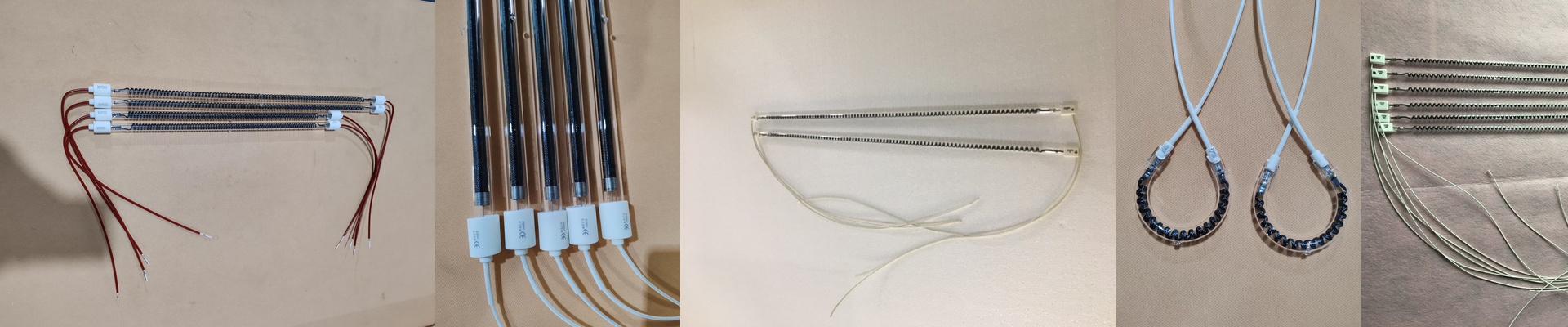
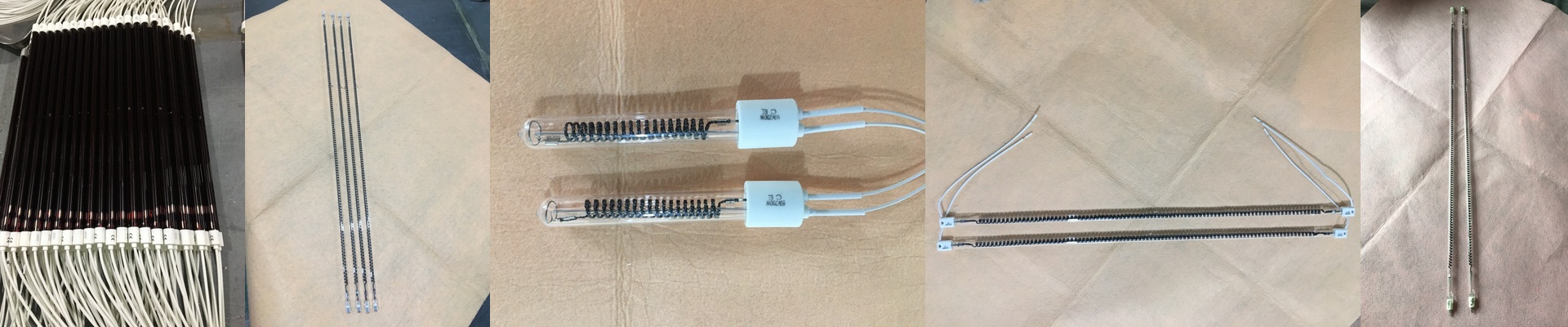
We use high-purity quartz glass and halogen gas fills. Here is the cool part: the halogen cycle actually grabs evaporated tungsten and puts it back onto the filament. It keeps the filament from thinning out. It’s basically a built-in insurance policy against premature burnout. As for the plugs, we use R7s and Sk15 connectors. They aren’t flashy. They aren’t “innovative.” But they work. They hold tight even when the metal expands and contracts from the heat, so you don’t have to worry about a loose connection killing your line.
Putting Them to Work
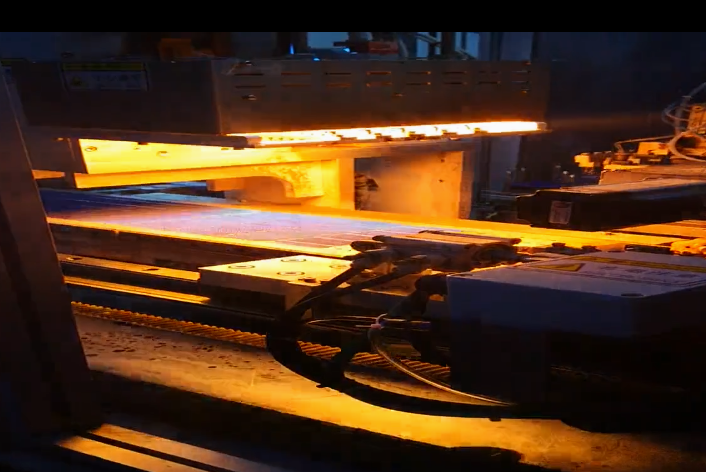
These lamps slide right into PET blowing or PCB curing lines, even if you’re replacing a big-name international brand. But there is a catch. When you push this much heat density, your housing takes a beating. If your cooling system isn’t dialed in, that heat is going to creep into your machine frame. We build our lamps to be tough as nails, but your surrounding gear needs to be able to keep up with the heat.