Let’s Talk Carbon Infrared Heating Lamps
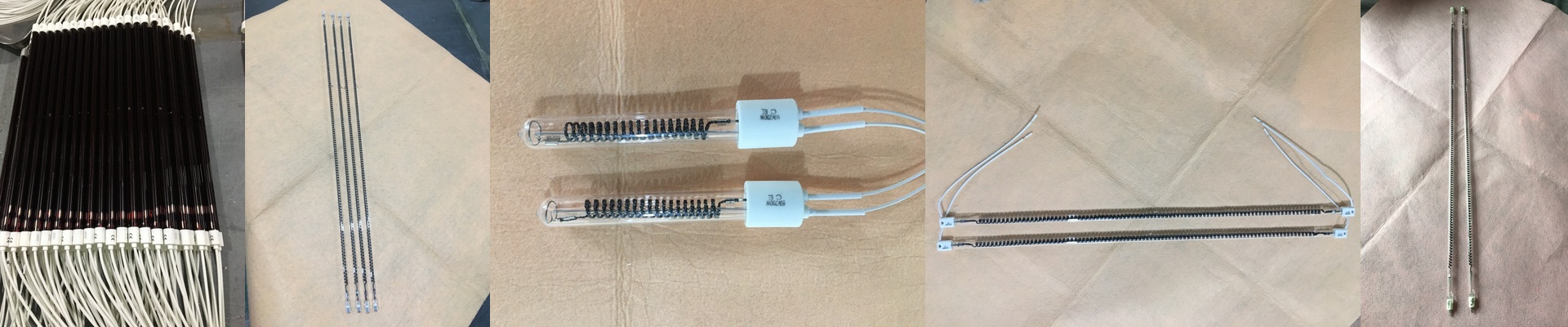
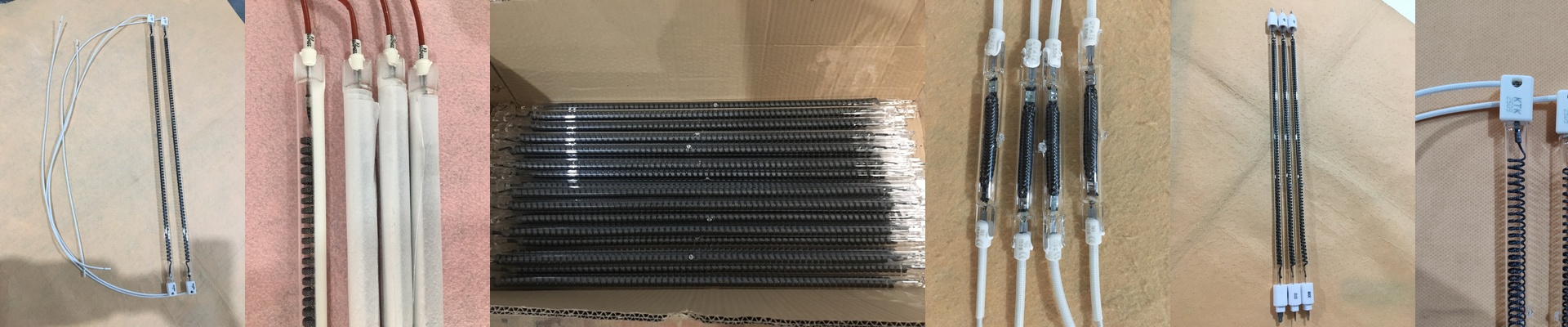
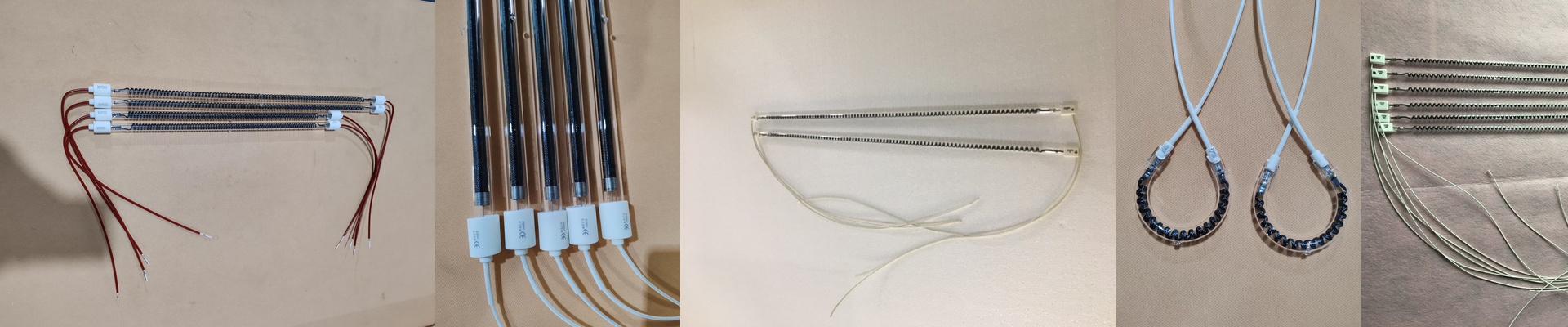
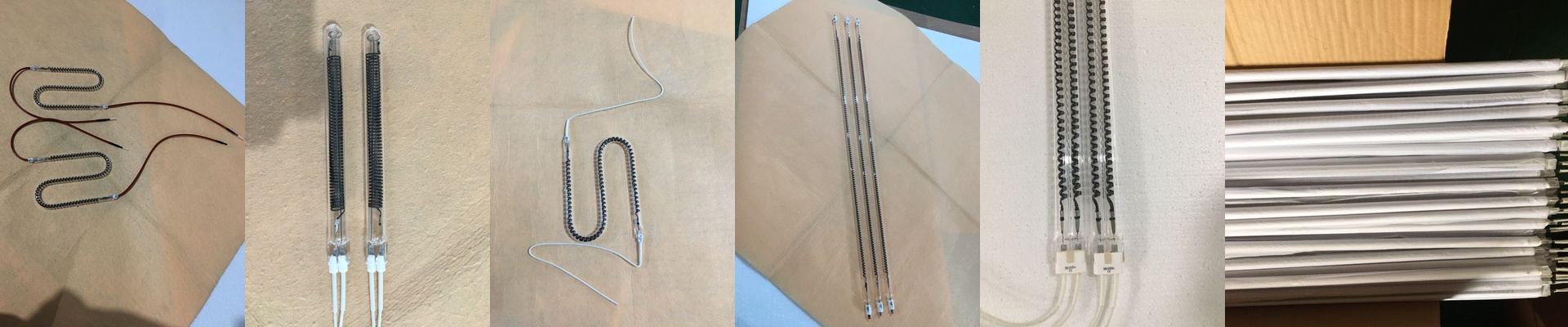
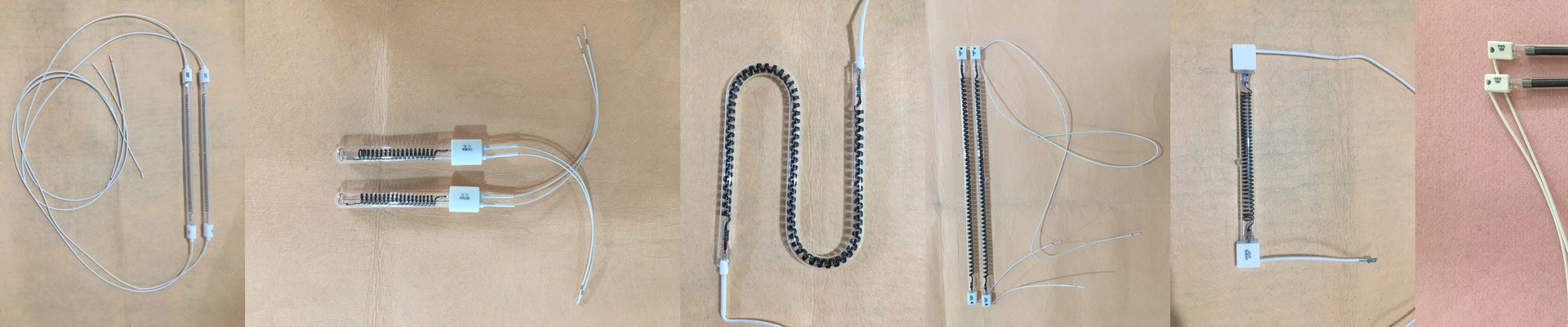
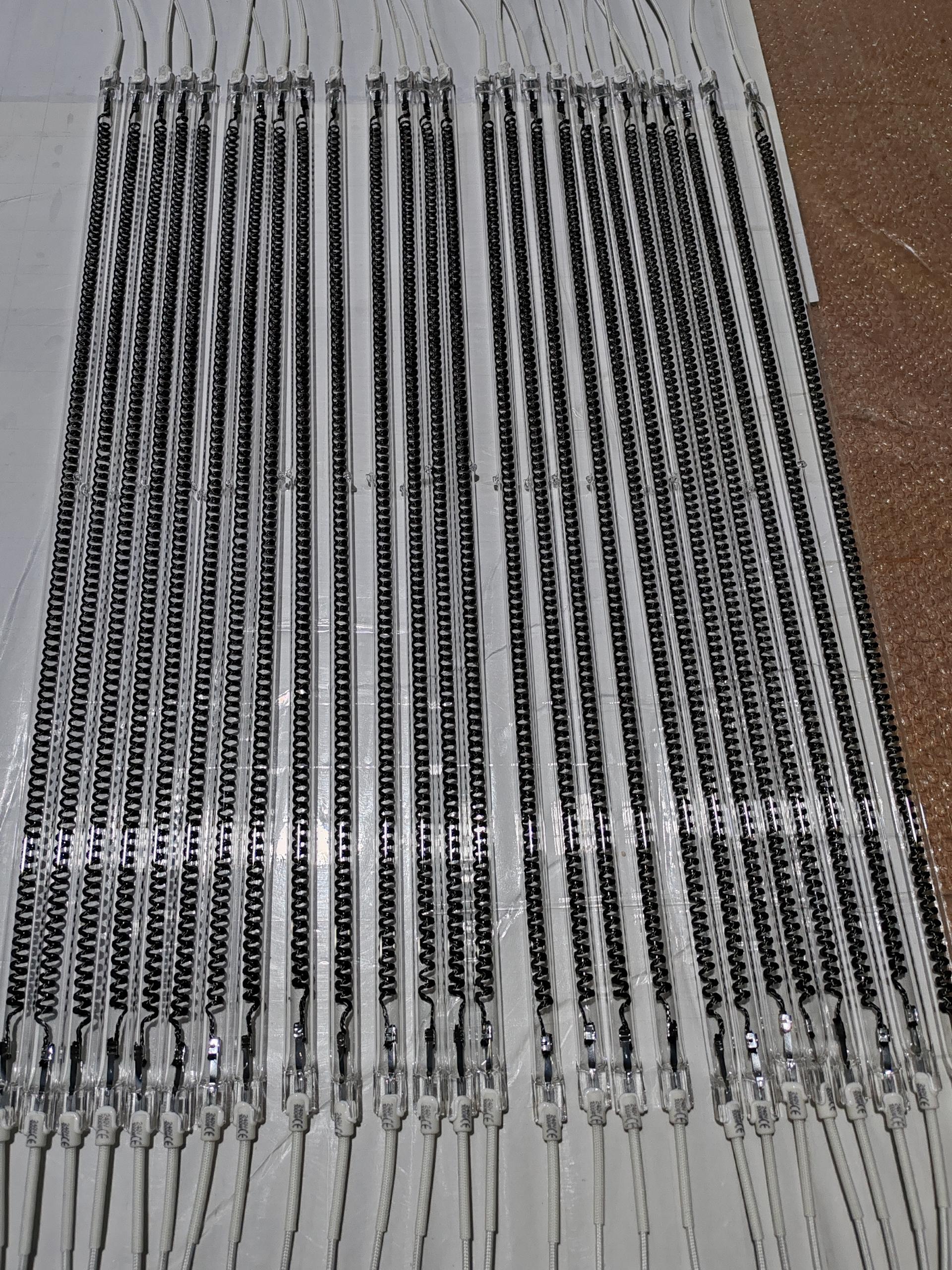
If you need to get something hot—and you need it to happen now—carbon heating lamps are your best bet. Inside that quartz glass tube is a carbon fiber filament that pumps out short-wave infrared radiation. Here’s the real advantage: they don’t just heat the surface. They push heat deeper into your materials than those standard halogen lamps ever could. It’s a different kind of warmth, and it hits much harder.
Getting the Power Right
You’ve got to be careful with your wattage and voltage. It’s a balancing act. Depending on whether you’re running 230V or 400V, you’re changing how much current is pulling through and how the heat actually hits your workpiece. High-voltage setups are great because they let us cram more power into a shorter tube without blowing a circuit. But a word of warning:**don’t mess with the rated voltage.**If you over-volt that filament, you’ll fry the lamp in a matter of hours. It’s just not worth the risk.
The Build and the Bits
We use high-purity quartz glass because this stuff gets incredibly hot. It needs to handle that thermal shock without cracking. Some of our lamps have a special coating on the back. It basically acts like a mirror, bouncing all that energy forward onto your target instead of letting it bake your machine frame. As for the plugs, we stick with R7s or Sk15 connectors. They’re standard, so they usually slide right into most industrial ovens. More importantly, they fit tight. You don’t want any gaps where electricity can jump (arcing) when you’re pulling high current.
Making It Work in the Real World
You’ll see these in everything from PET blowing machines to plastic welding and drying lines. The speed is the big win here. They hit the target temperature almost instantly, which means your cycle times drop and you get more done. But there’s a catch. All that concentrated heat has to go somewhere. If your cooling fans aren’t up to the task or your housing is too tight, the ambient heat will build up. Before you know it, your connectors will literally melt. **Pro tip:**Use high-temperature leads for your wiring. It saves you from the nightmare of insulation failing right in the middle of a production run.