Let’s Talk Carbon Crystal Heating
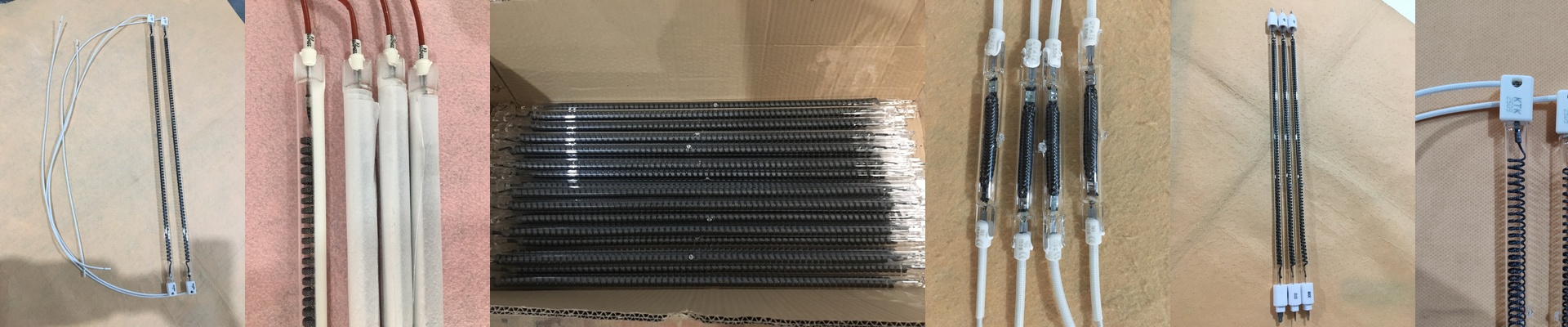
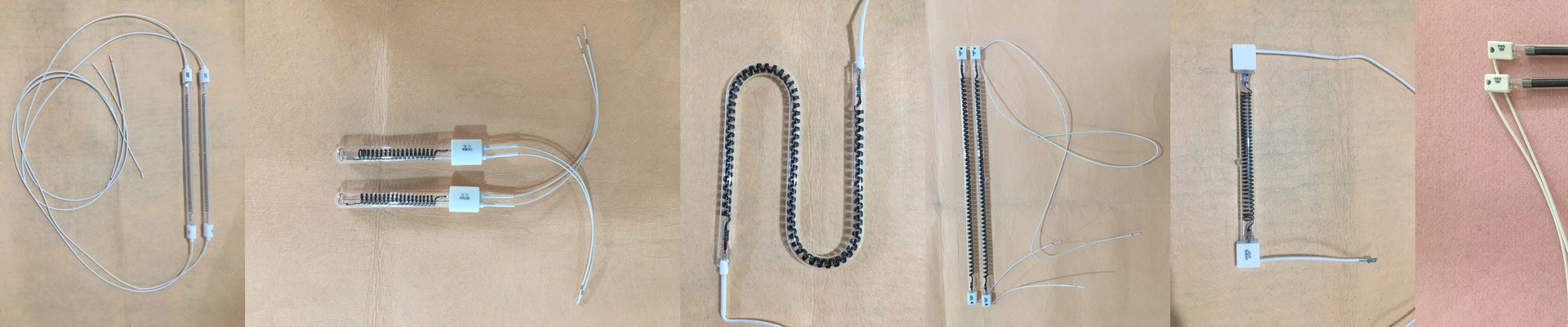
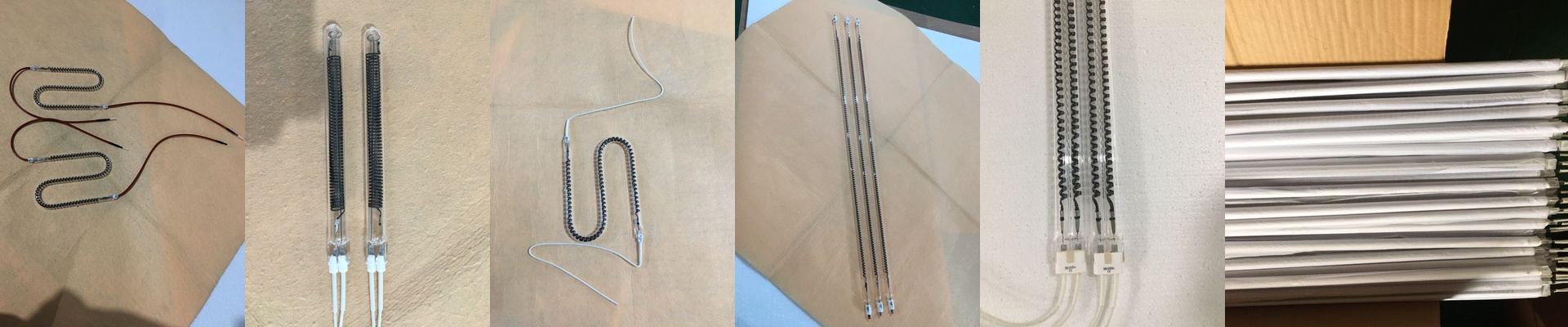
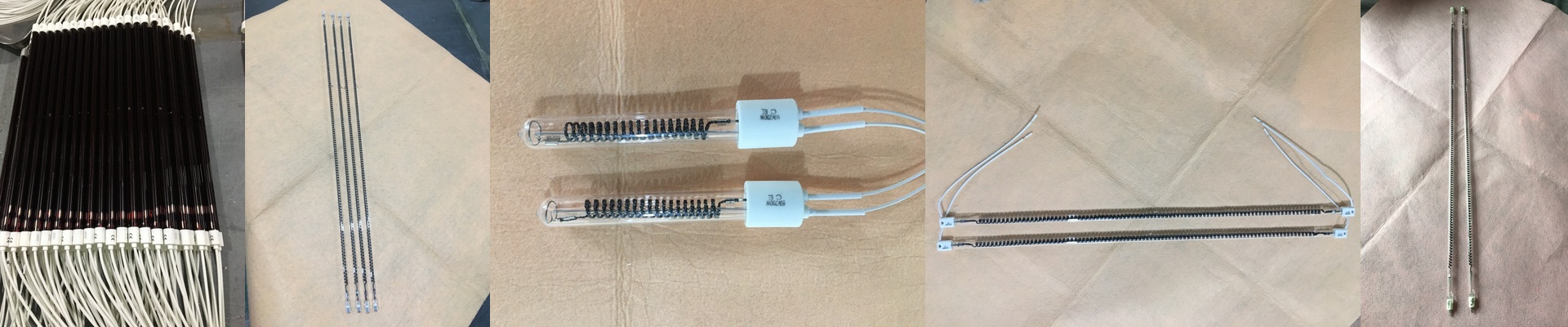
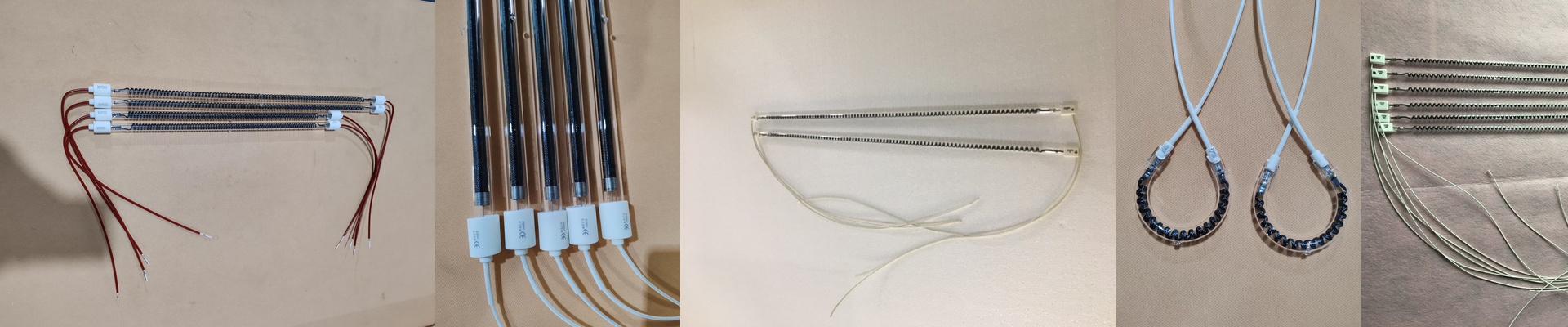
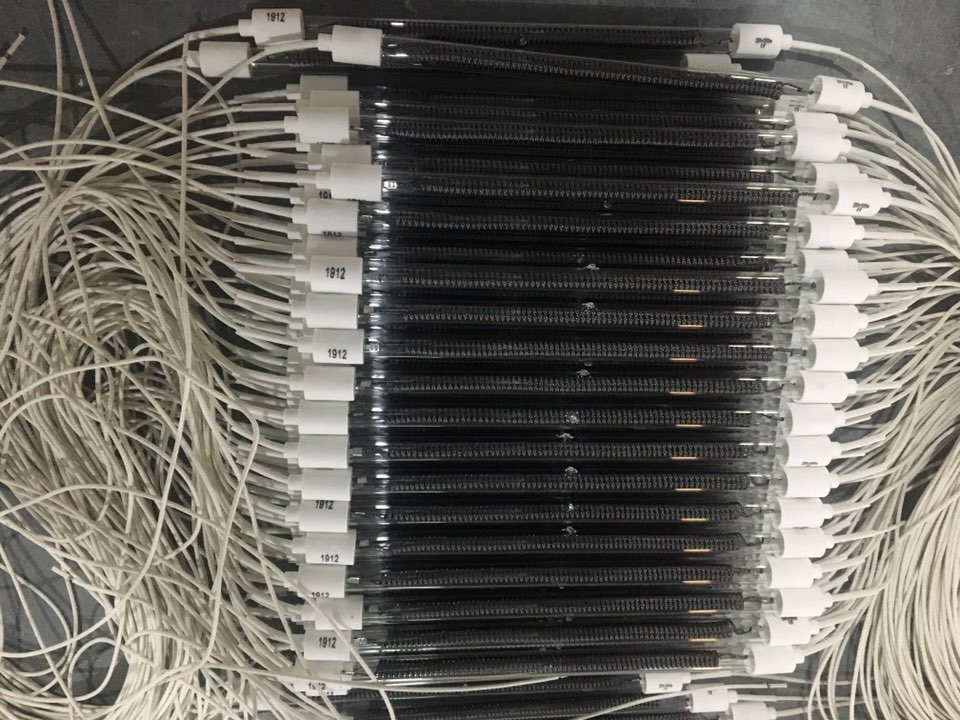
Most heaters you’ve used probably rely on old-school resistive wires. They heat up the air, and then the air heats up your part. It’s slow. We do things differently. We use a carbon-based conductive layer that puts out far-infrared radiation. Instead of waiting for the air to warm up, the heat justdives straight into the material. It’s much more direct.
Getting the Power Right
When you’re picking out a unit, it really comes down to how much “oomph” you need over a certain amount of space. If you’re running a fast industrial cycle, you’ll want a high-wattage setup. It gets things hot, fast. Just a heads-up: keep an eye on your power supply. These can pull a lot of current the second you flip the switch, and nobody likes a tripped breaker in the middle of a shift.
Why Carbon Crystal actually works
We use a thin carbon-crystal film that turns electricity into heat without wasting much energy. Think of it like this: shortwave lamps tend to scorch the surface of whatever you’re heating. But far-infrared? It sinks deeper. You get a nice, even temperature all the way through the workpiece. Plus, we add a reflective backing to push all that heat forward, so you aren’t wasting energy warming up the machine frame.
The Nitty-Gritty of Installing Them
The good news is these are basically drop-in replacements for your old resistive heaters. You can use your existing controllers, but there is one catch. Carbon crystals reactway fasterthan ceramic heaters. If your PID loop is still tuned for the old, slow stuff, you’re going to overshoot your target temperature. You’ll need to tweak those settings to keep things steady. One last thing—watch your spacing. These heaters pack a lot of punch into a small area. If you’re stuffing them into a tight box and running them at full blast, get some fans in there. Otherwise, you’ll end up cooking your own electronics.