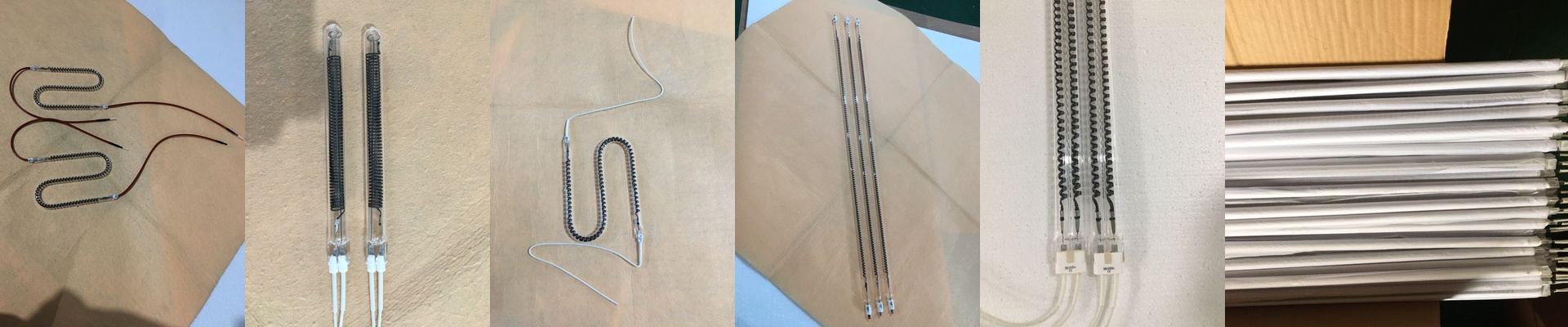
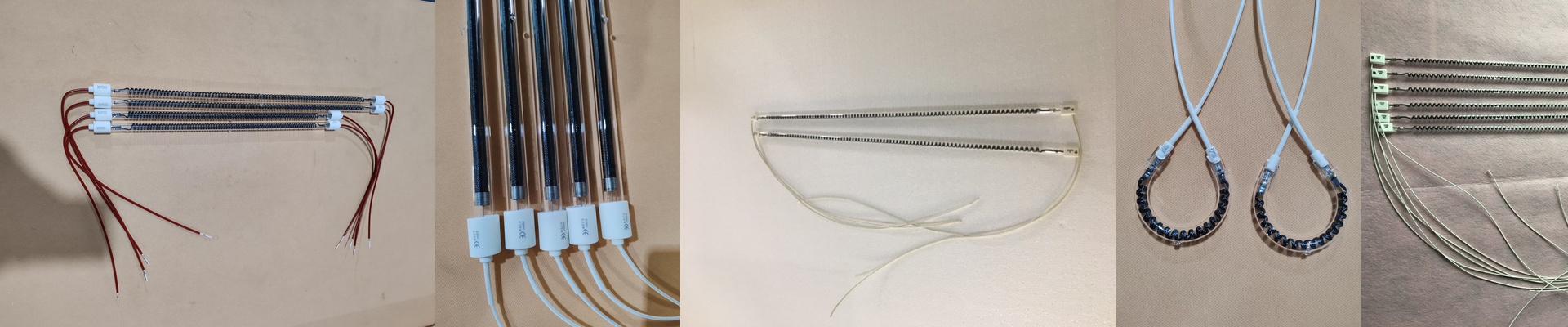
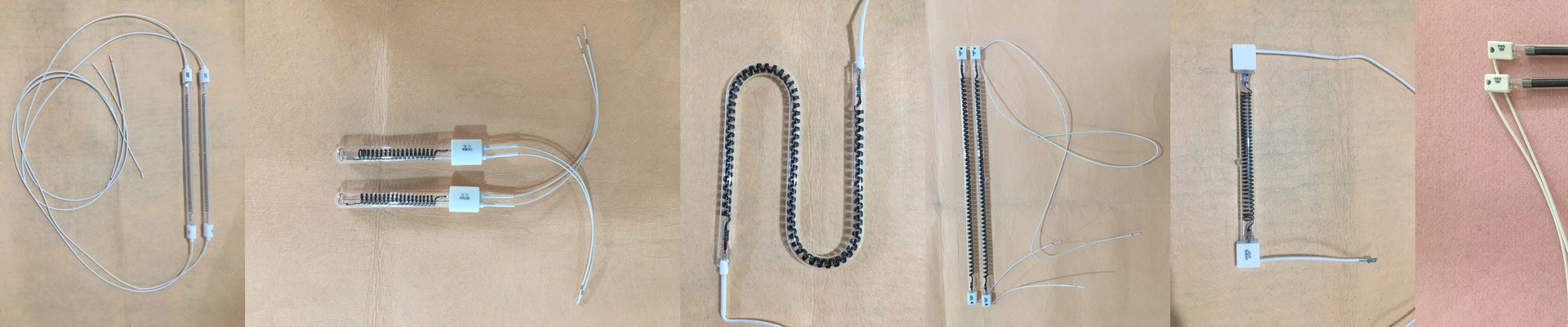
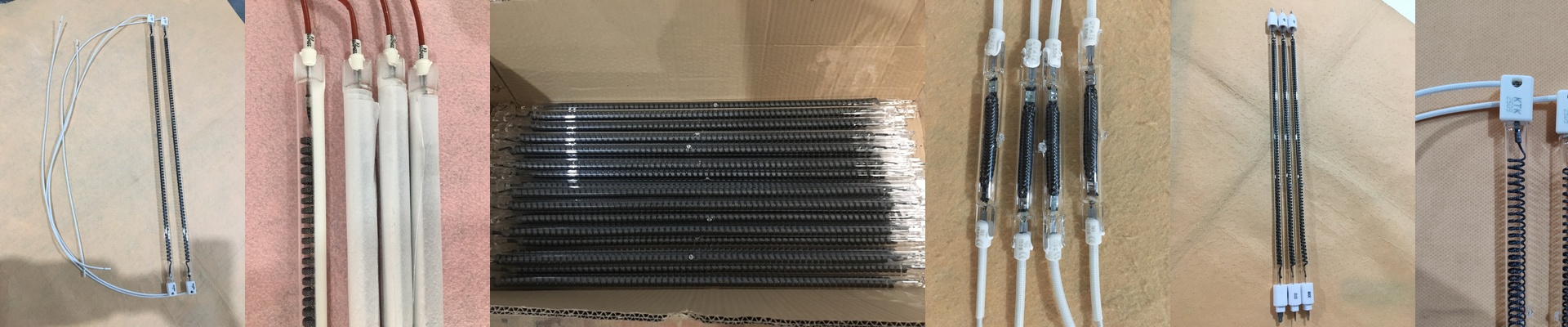
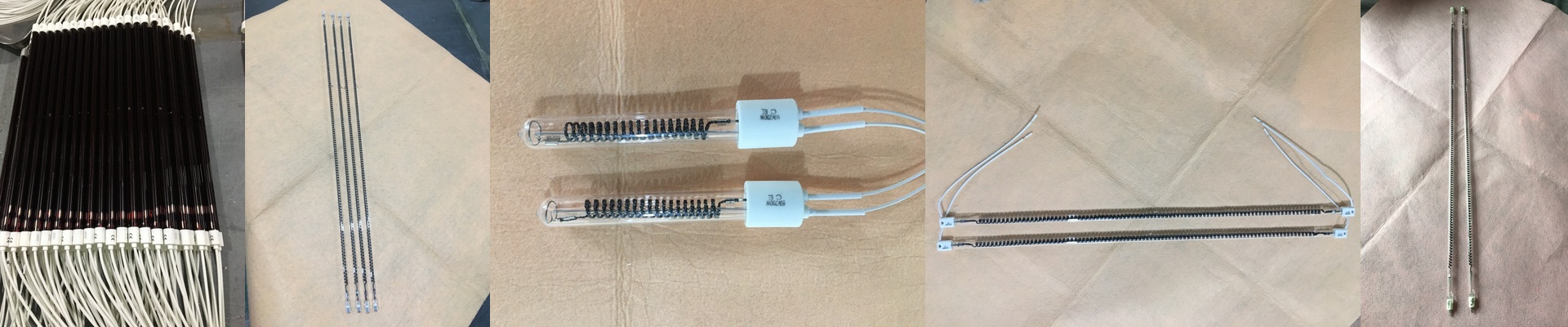
Let’s talk about these 1000mm Carbon Fiber Infrared Tubes
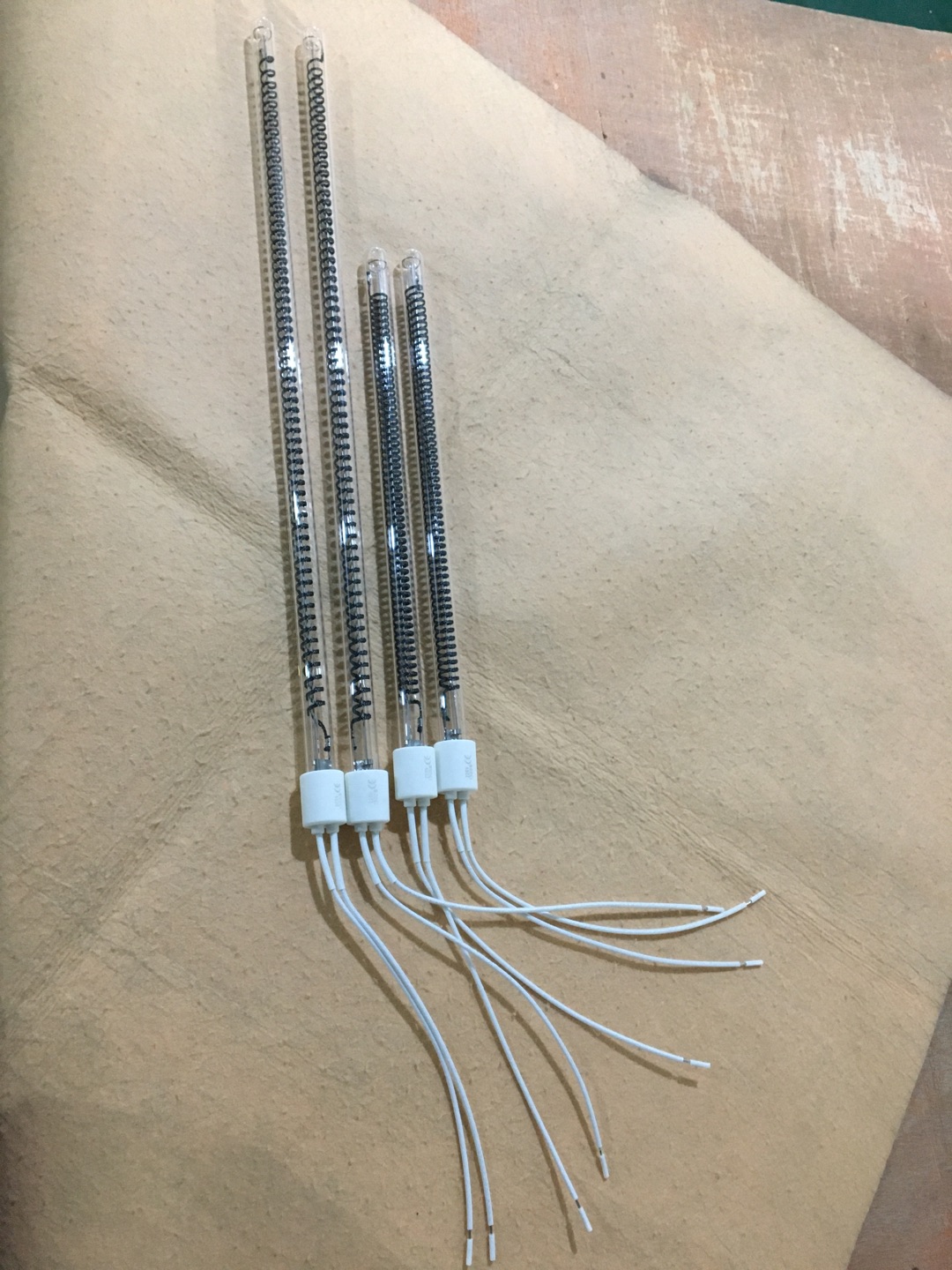
If you’re looking for a way to get a lot of heat across a wide area without burning through your materials, these 1500W lamps are a great shout. The magic here is in the carbon fiber. Most people are used to quartz or halogen wires, but carbon fiber plays by different rules. It puts out medium-to-long wave infrared radiation. In plain English? It sinks deeper into your material rather than just scorching the surface. The setup We went with a 1000mm length because that’s usually the sweet spot for large drying tunnels or wide curing lines. By spreading 1500W over a full meter, you avoid those annoying “hot spots” that tend to warp your work. Just a heads-up: you’ll want a controller that can handle the specific way carbon filaments kick in when they first start up. Why carbon fiber actually matters Here’s the thing about metal coils—they tend to sag once they get screaming hot. That ruins your heat distribution. Carbon fiber doesn’t do that. It stays put. We wrap the whole thing in a quartz envelope to keep the oxygen away from the filament. Because of that, these things ramp up to temperature way faster than those clunky old ceramic heaters. It saves you time. Lots of it. The real-world trade-offs These are pretty easy to swap into most industrial IR arrays. They’re fast, and they won’t eat as much power as a forced-air oven. But, you have to be careful. Carbon fiber tubes are a bit more delicate than the metal-sheathed kind. If your shop floor is vibrating like crazy or if the team is a bit rough during maintenance, that quartz glass can crack. A couple of pro tips to keep them alive: Make sure your mounting clips aren’t too tight. The glass needs a little room to breathe as it expands with the heat. And for heaven’s sake, keep them clean. If oil or dust builds up on the glass, the tube will overheat and burn out way sooner than it should.