IR vs. Hot Air: Getting BGA Reflow Right
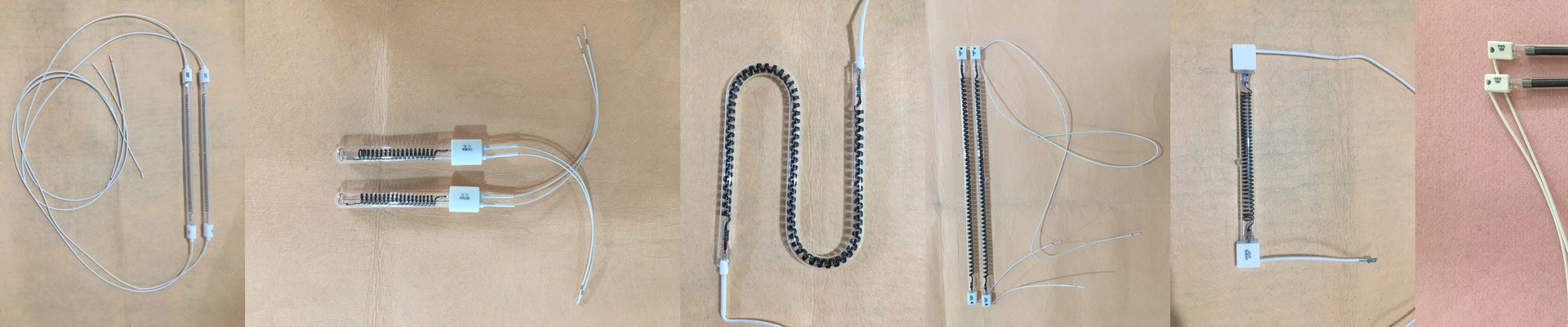
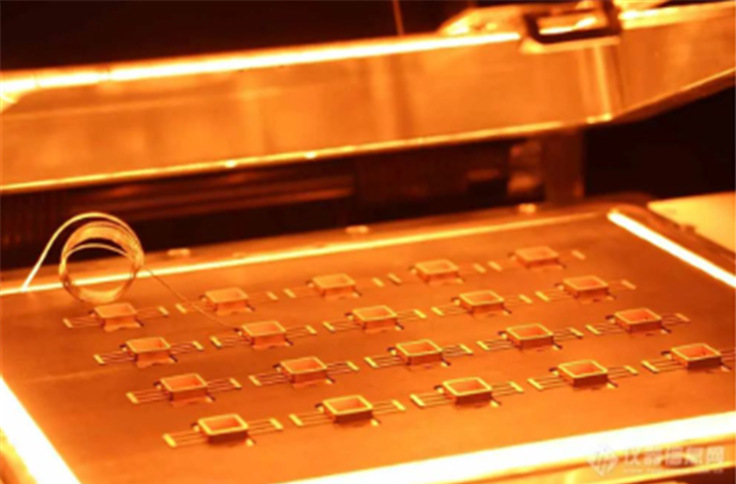
When you’re working with BGA packages, the way you heat the board basically decides if you’re getting a solid bond or a warped piece of scrap. A lot of shops just stick with hot air because that’s what they know. But if your assemblies are getting dense, you really want to look at infrared (IR) radiation. Here is the real difference. Hot air is all about convection. It hits the surface of the chip first, and then you just… wait. You wait for that heat to slowly soak down to the solder balls. It’s a slog. Often, the top of the chip is getting scorched while the bottom is still shivering. IR doesn’t play that game. Infrared waves actually dive right into the packaging materials. They get the molecules inside the component moving immediately. Instead of heating from the outside in, you’re heating the whole footprint at once. Since the heat starts from the inside, you don’t have to crank your oven to some terrifying temperature just to get the solder to melt. And honestly? It’s just a smoother experience on the floor. Hot air is slow. It’s pushing a physical mass of air around. IR is light. It moves instantly. Plus, you don’t have to deal with “wind chill.” There’s no high-velocity air blowing your tiny components across the board. You also don’t have to worry about “shadowing”—that annoying thing where one tall part blocks the heat from reaching a shorter one. It’s fast. Really fast. You hit your soak temperature in seconds, and because you aren’t blasting the board with 250°C air just to reach a 220°C melt point, you aren’t risking the board delaminating. Now, IR isn’t a magic wand. Different materials soak up IR at different speeds. A black plastic case will get hot way faster than a shiny silver heat sink. That’s why you can’t just trust the lamp settings. You need digital controllers that monitor the actual board temperature. If you don’t, you’re just guessing, and that’s how you burn a substrate.