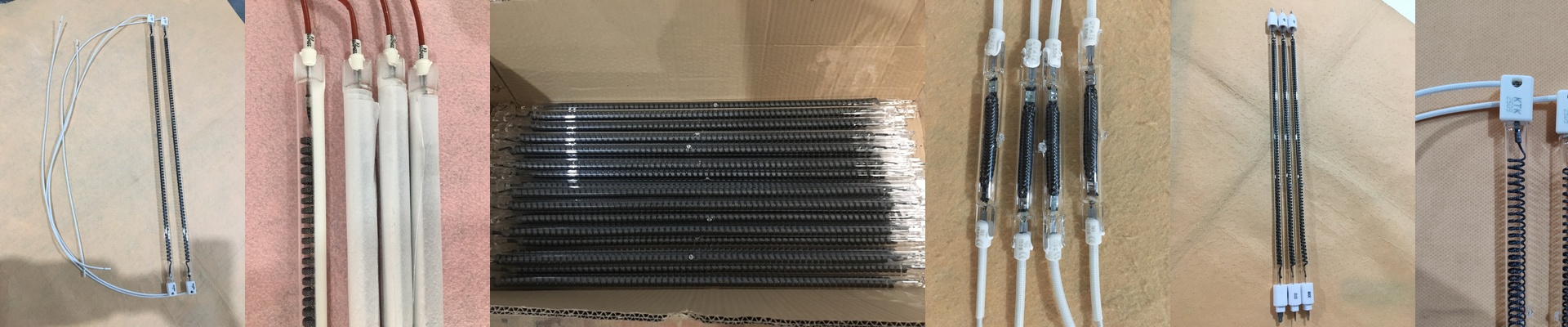
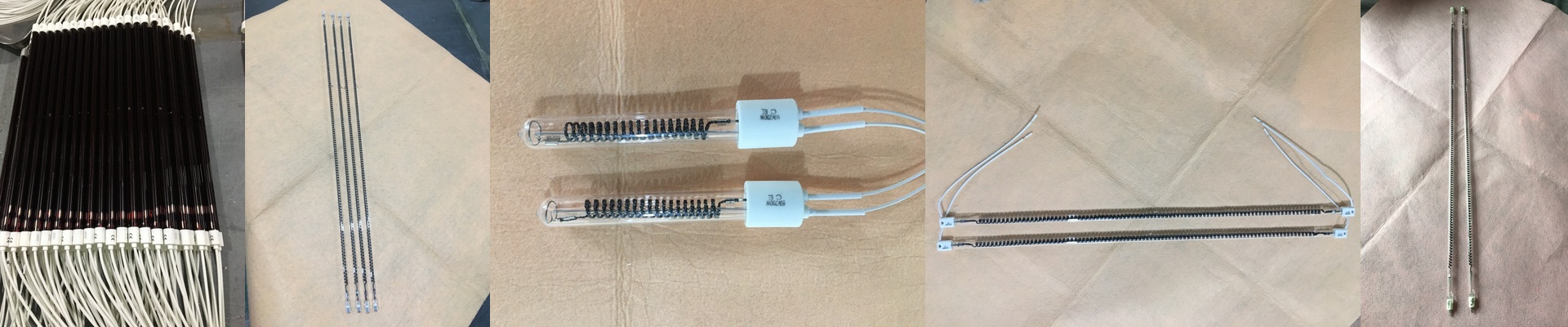
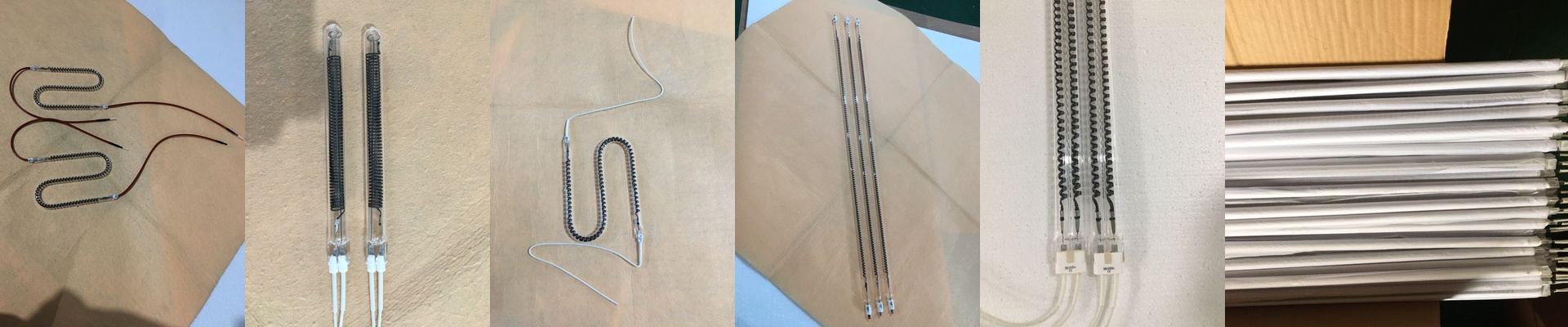
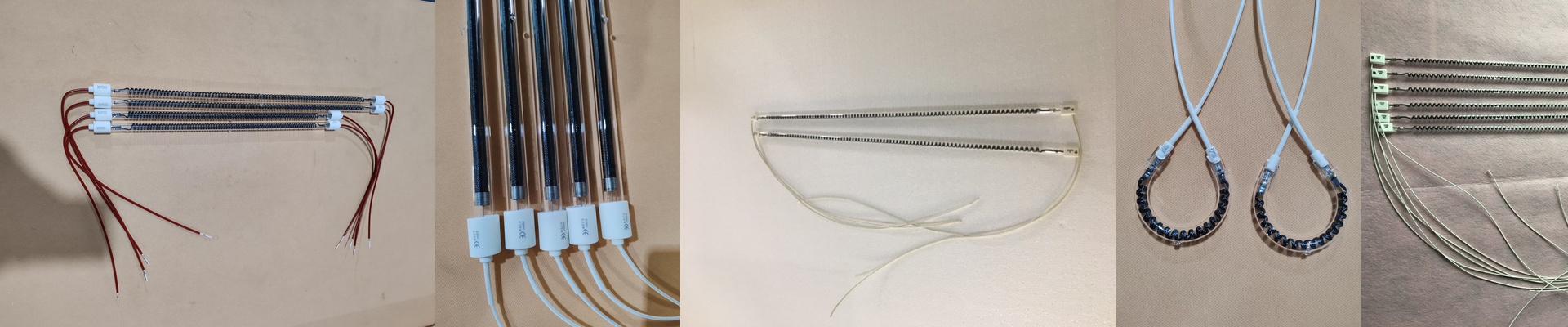
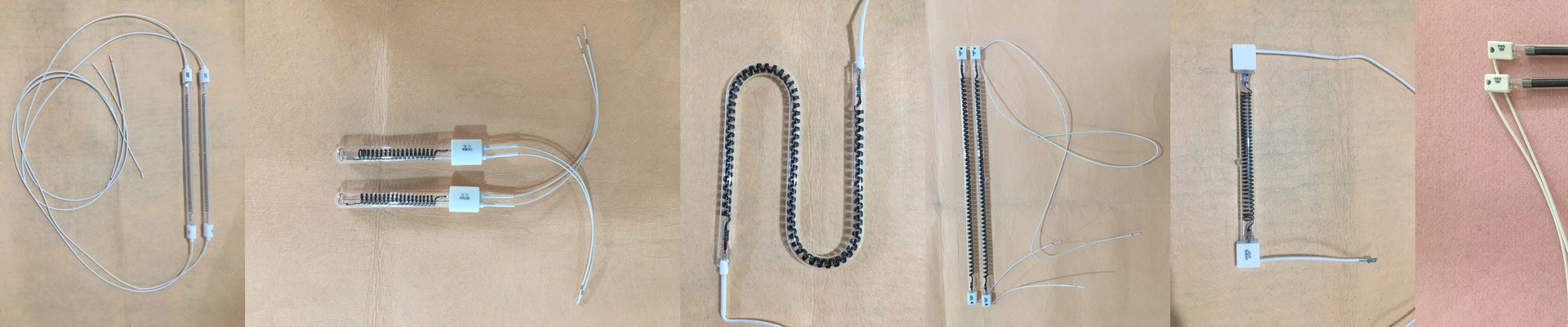
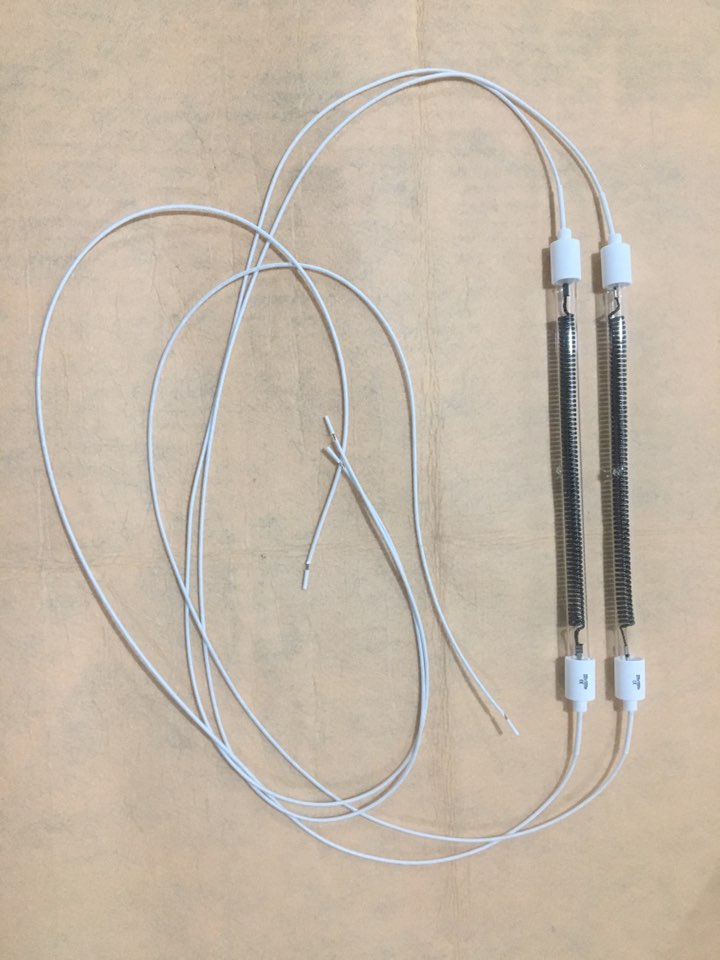
We built these heating elements for the places where time is tight and heat has to be spot-on. The idea is simple: carbon fiber inside a quartz tube, tuned to throw far infrared. That means your polymers, coatings, and composites soak up the heat directly—without turning the whole room into an oven.
Power, voltage, and the shape of things
The standard setup runs at 400V, up to 2500W, in a 300mm tube. We chose that length because real industrial spaces are tight—small ovens, narrow throats, focused lanes. The 400V rating keeps current lower for the same wattage, which lets you use smaller conductors and cuts voltage drop along the line. You get a lot of heat in a small footprint. But here’s the trade-off: the control gear and insulation have to be rated for 400V, and the mounting area needs airflow or heat sinking to keep that concentrated output under control. Plan for it, and it behaves.
Material choices that matter in the real world
Carbon fiber gives you a long, stable resistance path that heats up fast and stays even. Wrap that in quartz, and you get serious thermal shock resistance—plus consistent emissivity, day after day. We add a far infrared coating to shape the spectral output. That improves how well the heat couples with the load and keeps wasted energy down. And we finish it with R7s connectors—two-pin, straight-through terminations that handle the wattage and install quickly, without needing a bunch of tools. The whole design is built to survive repeated thermal cycling without cracking. Still, it asks for a clean, dry mount and proper clearance. Give it that, and it won’t surprise you with hot spots.
Where it shines—and what it feels like to run
Use these when you need rapid, localized heat: plastic processing, adhesive curing, coating drying, or small-batch thermal forming. The ramp-up is fast, so cycle times shrink. The focused IR output means less time spent preheating and cooling. And because it uses R7s termination, swapping it into an existing fixture is straightforward—just drop it in and get back to work. Just remember: match your power supply to the 400V rating, and give the unit the cooling it needs. When everything lines up, the output is predictable, cycles repeat smoothly, and the line keeps moving instead of stopping for surprises.