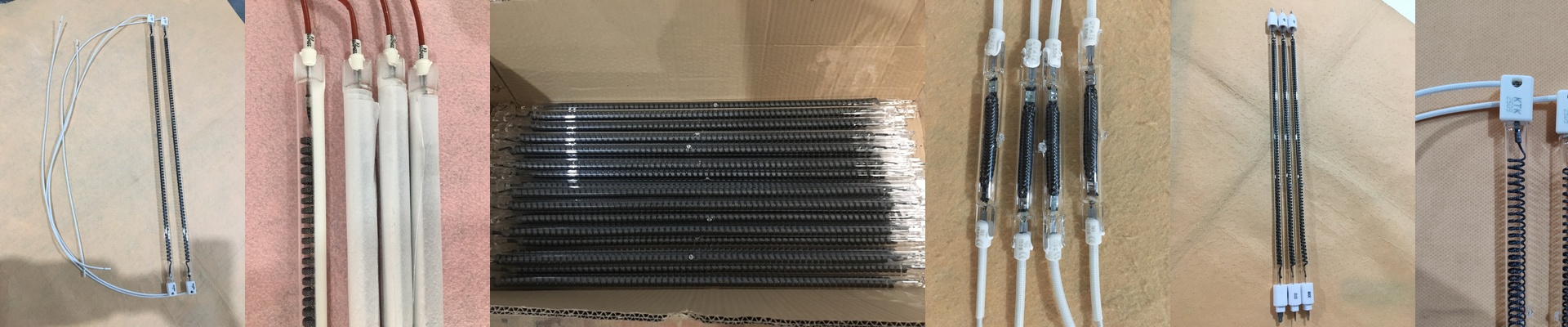
Carbon Fiber Filament Halogen Heating Tubes: Power, Design, and Industrial Application
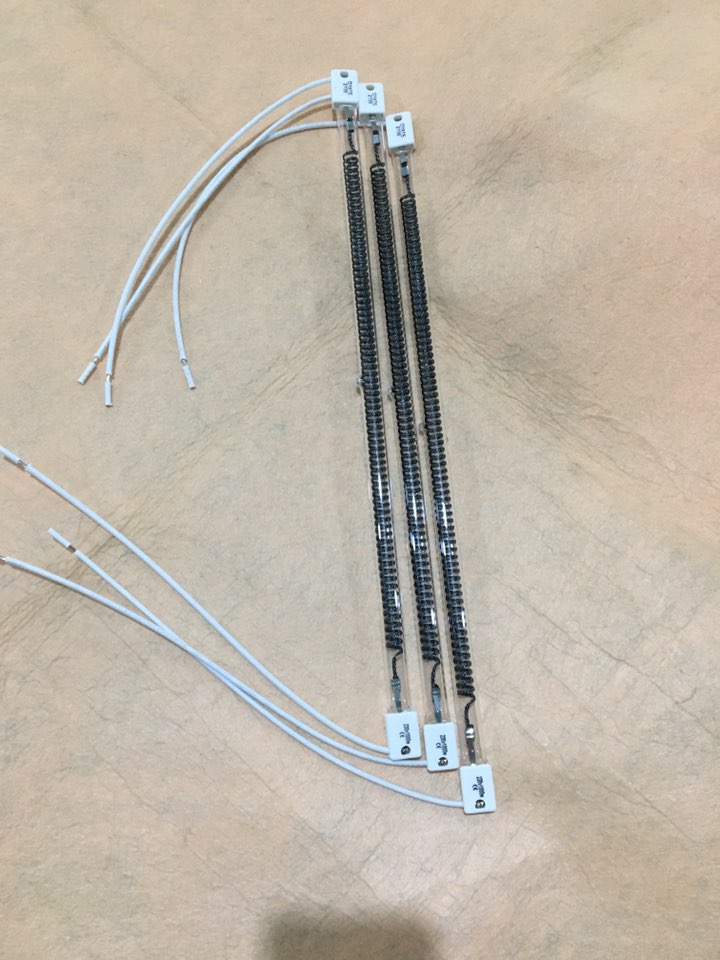
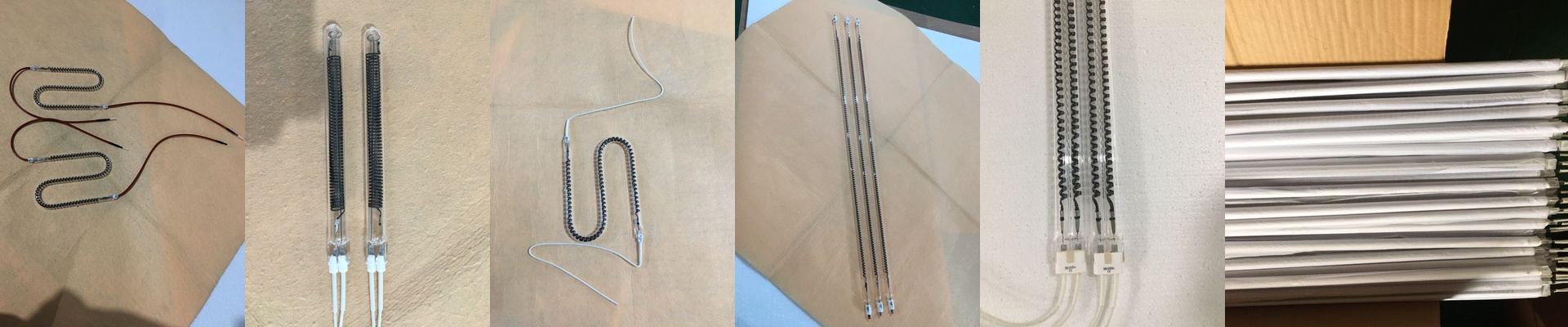
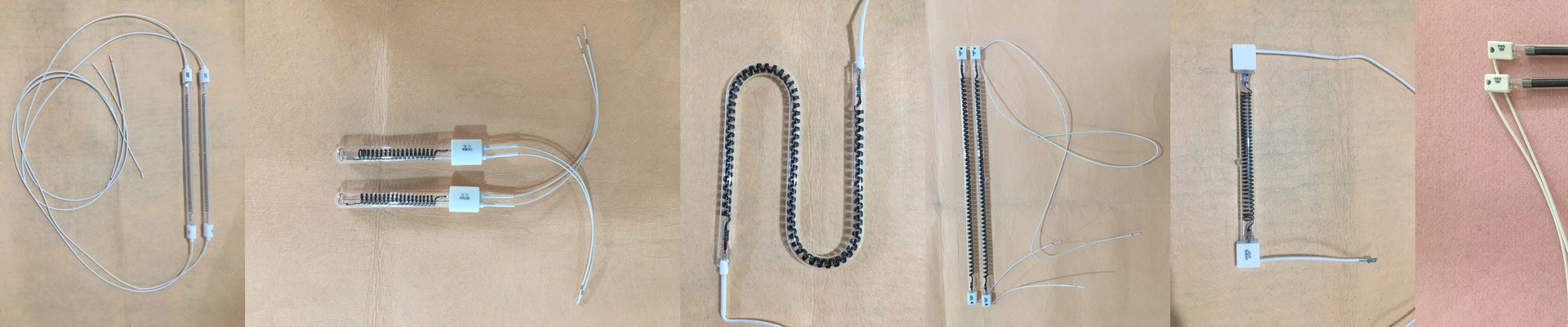
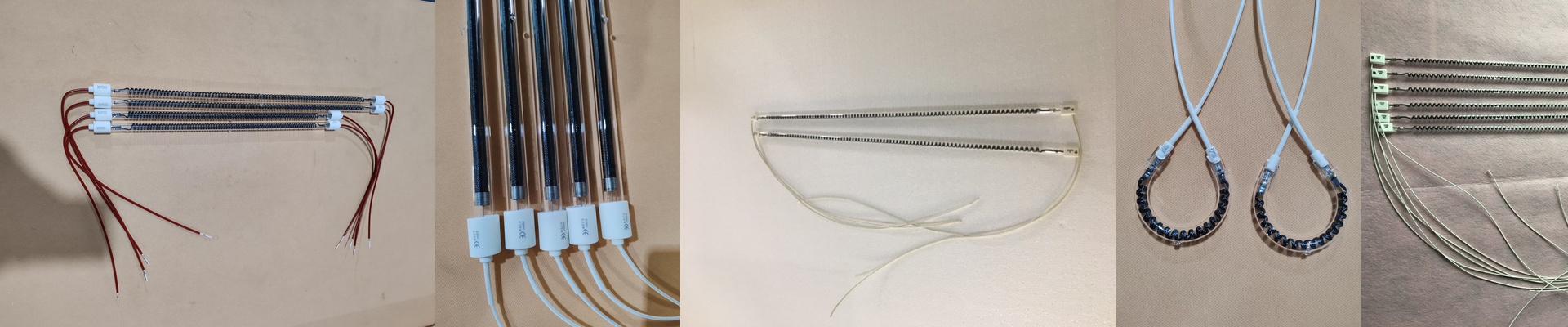
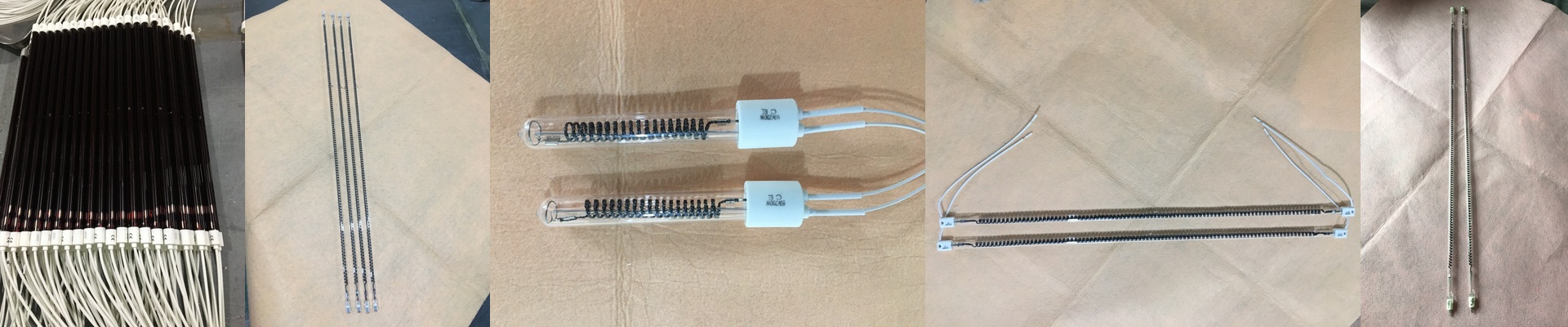
We built these carbon fiber filament heating tubes for one reason: to give industrial machines the fast, focused heat they need—without taking up a ton of space. These aren’t your typical household bulbs. They’re engineered as direct-fit heating elements, made to handle the tough environments of PET blowing lines and plastic processing setups.
Power, Voltage, and Size: The Specs That Matter
Here’s the core of what makes these tubes work: 400V voltage and 2500W power, packed into a short 300mm length. That combo is all about delivering serious heat density without needing a huge footprint. Running at 400V keeps the current lower for the same wattage, which means you don’t need bulky wiring, and you avoid voltage drops along the feeder lines. And that 300mm length? It creates a tight, concentrated hot zone. So you only heat the exact spot you need, without wasting energy on the surrounding area. This setup is perfect when you need temperatures to climb fast—and when your machine has barely any room to spare for a heater. But let’s be real: packing 2500W into such a small space means the heat radiates outward. That’s why your machine’s cooling and thermal management need to be up to the task, so nearby electronics and sensors don’t get overheated.
The Materials and Design Behind the Reliability
We rely on a halogen cycle inside a quartz envelope. The quartz handles extreme operating temperatures and resists thermal shock, so the tube can handle quick on/off cycles without cracking. And the halogen gas? It keeps the filament from evaporating and keeps the output steady, so you get consistent performance over the tube’s entire life. Then there’s the R7s connector. It’s a no-fuss, industrial-grade choice that gives you a secure, two-point contact built for high current. It’s also a standard in heating equipment, which makes these tubes a simple swap for existing fixtures. Just wire it up, set the mounting, and you’re good to go—the electrical interface lines up with what your machine already uses.
Why This Works in the Real World
In PET blowing, you need heat that’s fast and predictable. These tubes respond immediately, so you hit your temperature setpoint quickly and keep cycle times tight. The concentrated heat lets you target the preform or parison directly, which makes your process more repeatable. For you, that means predictable heat, a compact design, and an installation that doesn’t feel like a headache. There is a trade-off, though—high wattage density means you need proper thermal clearance and cooling. But if you plan the mounting and airflow right, these tubes run reliably, day after day, in continuous production.