Introduction
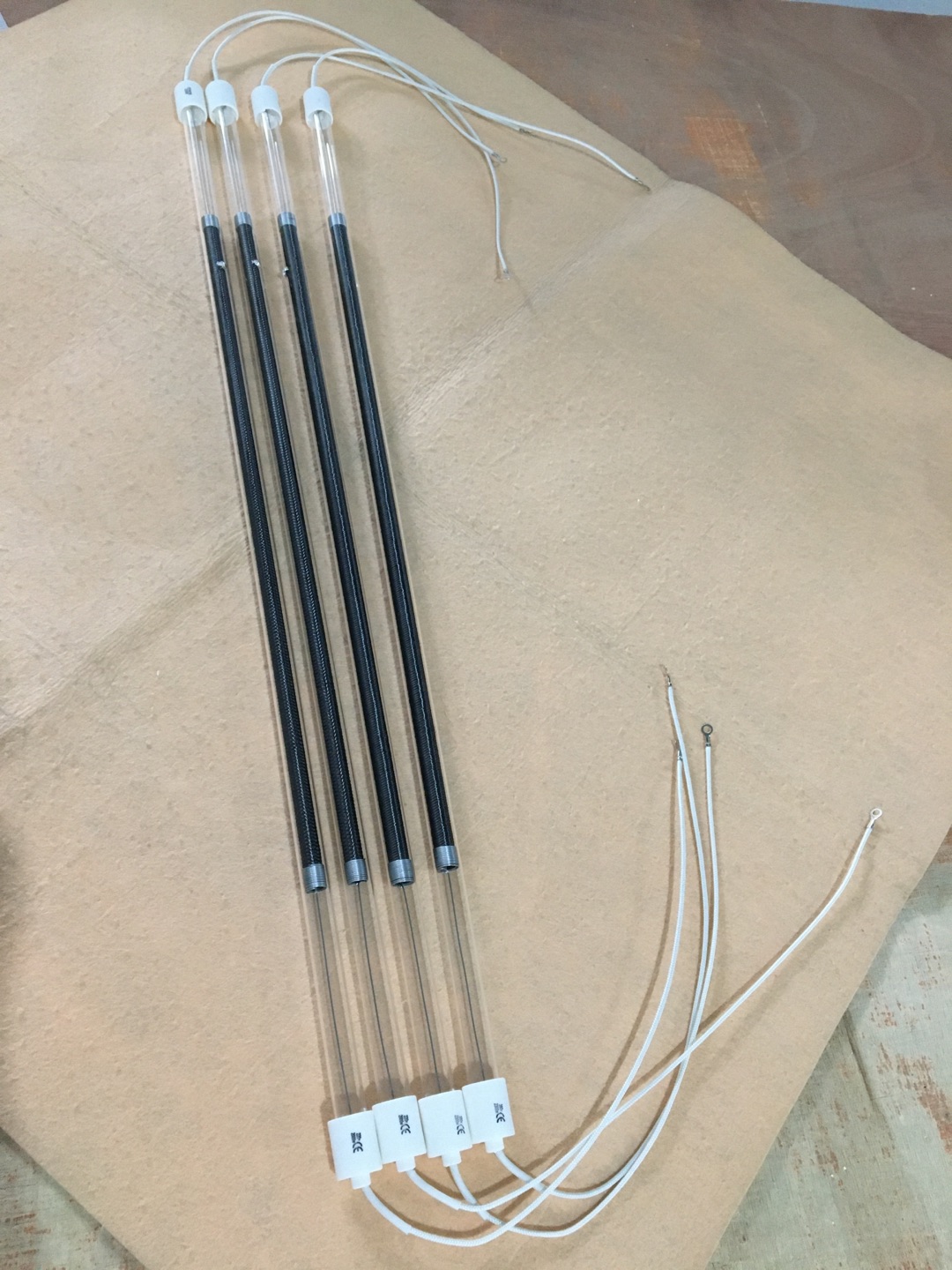
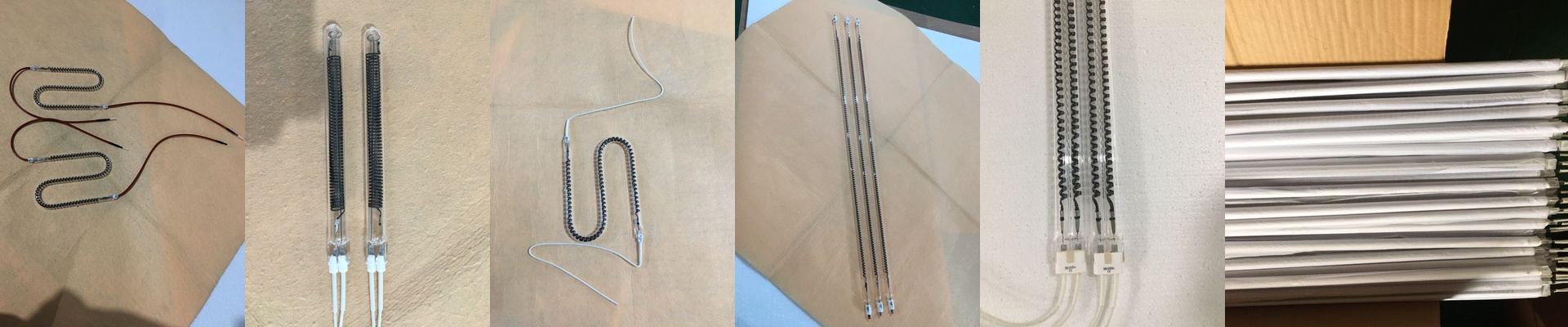
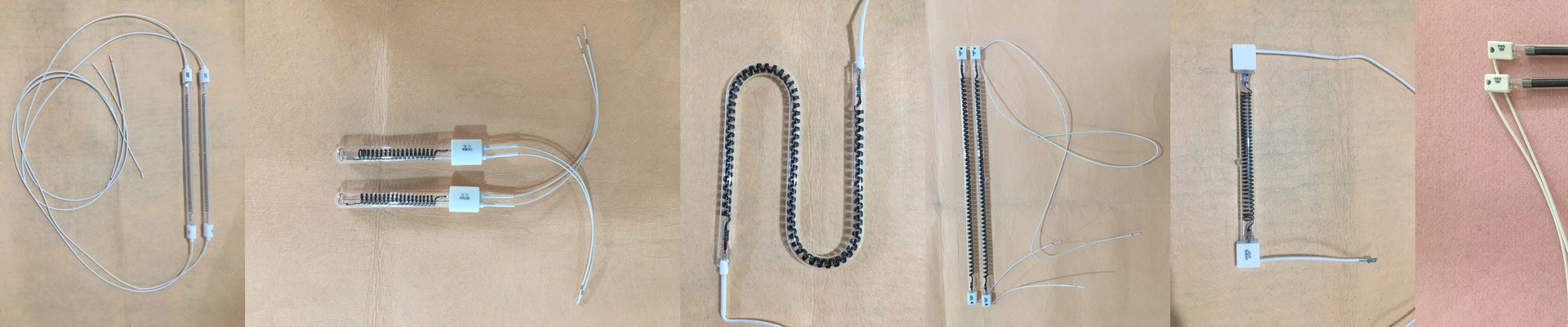
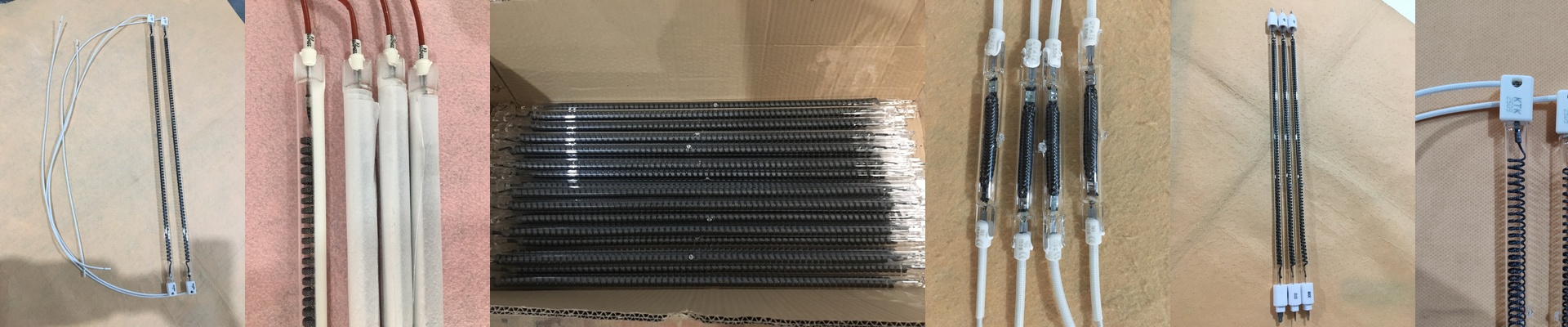
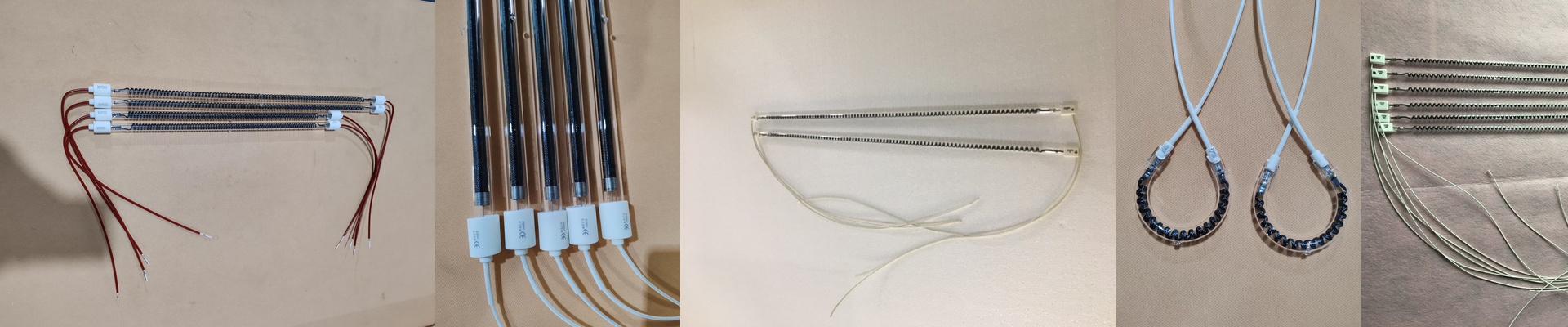
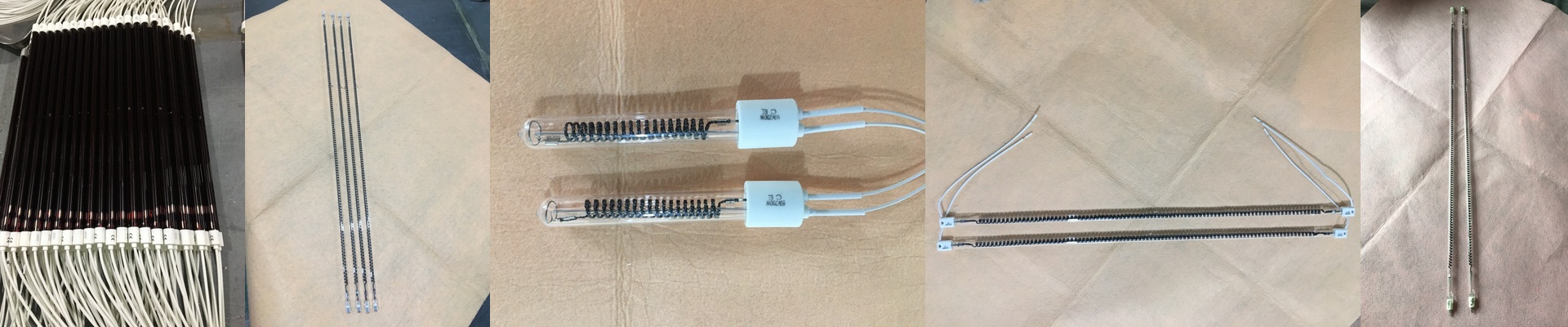
When we spec out heating for industrial processes, we need a heater that is fast, reliable, and fits the footprint. The Infrared Carbon Fiber Heating Tube is built for that exact job. It is a high-intensity infrared emitter engineered to deliver rapid heat transfer in compact spaces. These tubes are designed to replace older halogen or metal-halide systems, offering faster ramp-up times and tighter control in automated machinery.
Technical Deep-Dive: Power, Voltage, and Dimensions
The core specs define how the tube performs on the line. We build these tubes to run on 400V, which allows for high power delivery over longer runs without excessive current draw. The typical power range sits at 2500W, giving you the heat density needed for fast-cycling processes. The tube length is usually around 300mm, a size that balances radiant surface area with a small footprint. This length is chosen to fit into confined heating zones where space is tight. The watt density is high, so the tube can reach operating temperature in seconds. That speed cuts cycle time, but it also means the surrounding equipment must handle the thermal load. A 400V 2500W tube delivers massive heat density, which means your machine’s cooling system needs to be properly spec’d to handle the ambient temperature. If you run it in a sealed enclosure, you need airflow or heat sinking to prevent overheating of nearby components.
Material & Design: Halogen, Quartz, and R7s Connectors
We use a quartz envelope for a reason. Quartz withstands high temperatures and maintains optical clarity, which is critical for stable infrared output. Inside the envelope, the carbon fiber filament is the workhorse. It has low thermal mass, so it heats quickly and cools quickly, giving you responsive control. We add a halogen gas fill to protect the filament. The halogen cycle reduces evaporation and stabilizes output over the life of the tube. This keeps the lamp bright and consistent, even after thousands of hours. The coating on the quartz is selected to shape the spectral output, focusing energy in the shortwave and near-infrared bands for rapid surface heating. The connector is R7s. This bi-pin design is standard in industrial infrared heaters. It provides solid contact, handles high current, and makes installation a straightforward job. You wire it up, set the clearances, and you are ready to run.
Application & Benefits: PET Blowing and Industrial Heating
This configuration is a common fit for PET blowing. In blow molding, you need fast, localized heating to soften the preform without heating the entire machine. The 300mm tube and 2500W output give you a tight heating zone and rapid response. The R7s connector makes it a drop-in replacement for existing fixtures, minimizing downtime. The benefits are practical. Carbon fiber elements deliver high power in a small package. The quartz envelope handles thermal shock, and the halogen fill extends filament life. The result is consistent heat, predictable output, and fewer burn-outs. The trade-off is real. High power density demands proper thermal management. If your process is sensitive to temperature swings, you need a closed-loop controller to match the tube’s fast response. Spec the tube, spec the cooling, and you get a reliable heating system that keeps the line moving.