Infrared Carbon Fiber Heat Lamps: The Real-World Specs for Curing Car Paint
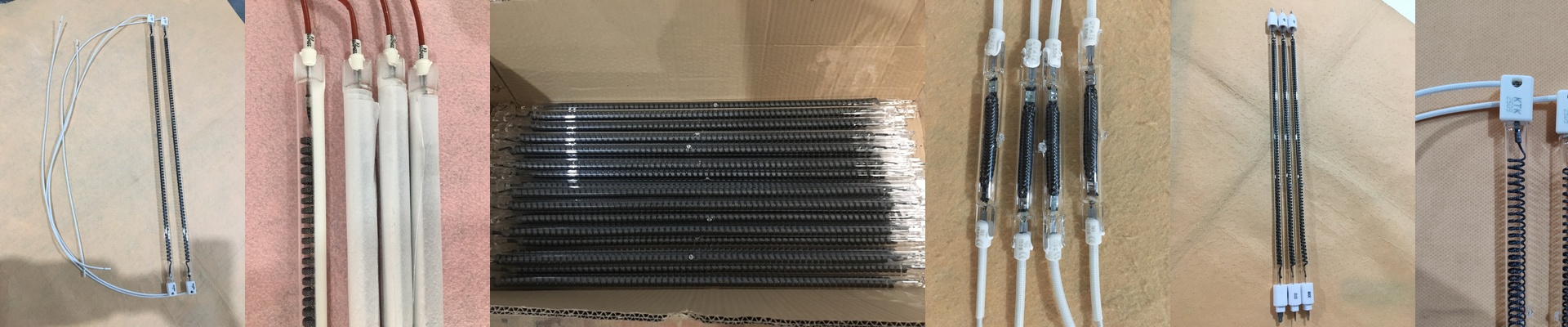
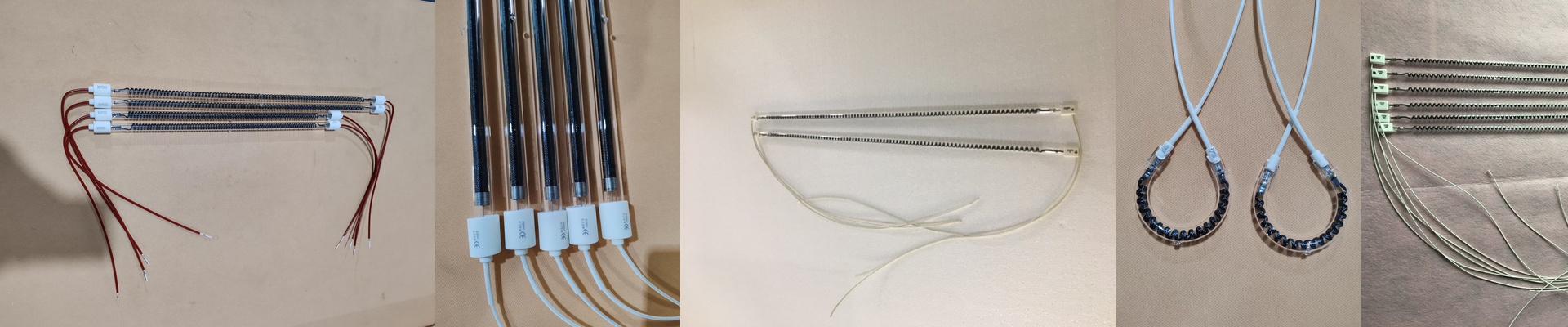
We built these infrared carbon fiber heat lamps for one reason: they get the job done in a body shop. You need heat that comes on fast, that you can control, and that cures your primer, basecoat, and clear without scorching the metal underneath. That’s exactly what this lamp is designed to deliver. It stays compact, jumps into action the second you flip the switch, and mounts right onto the standard curing racks you already have.
Power, Voltage, and Shape—What Actually Matters
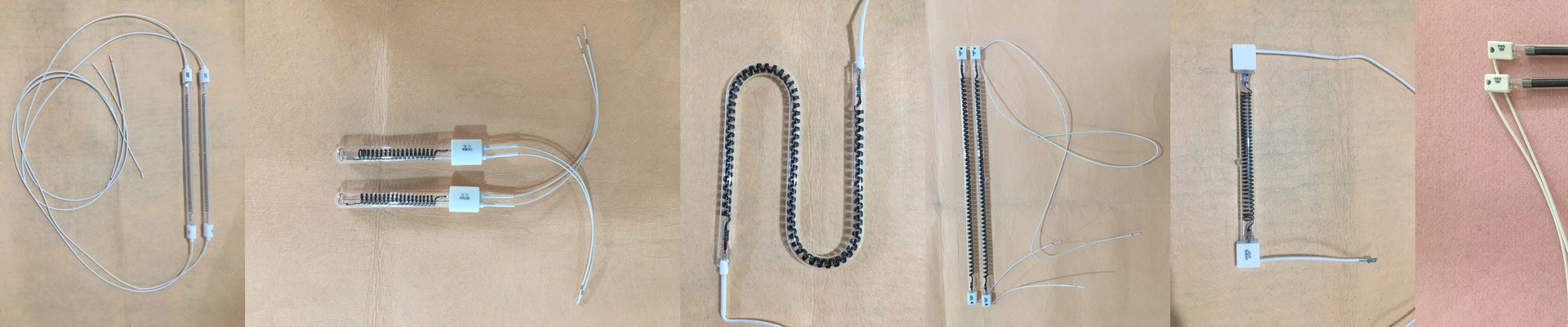
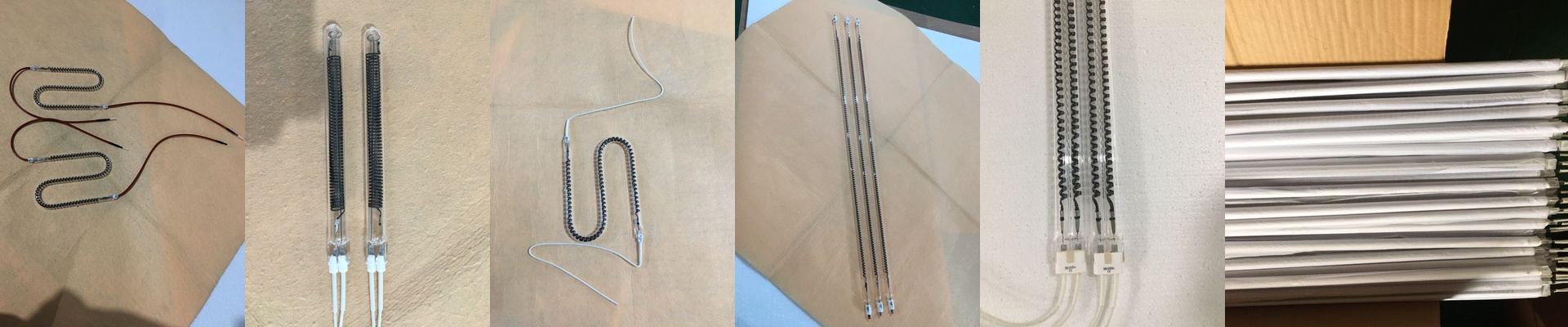
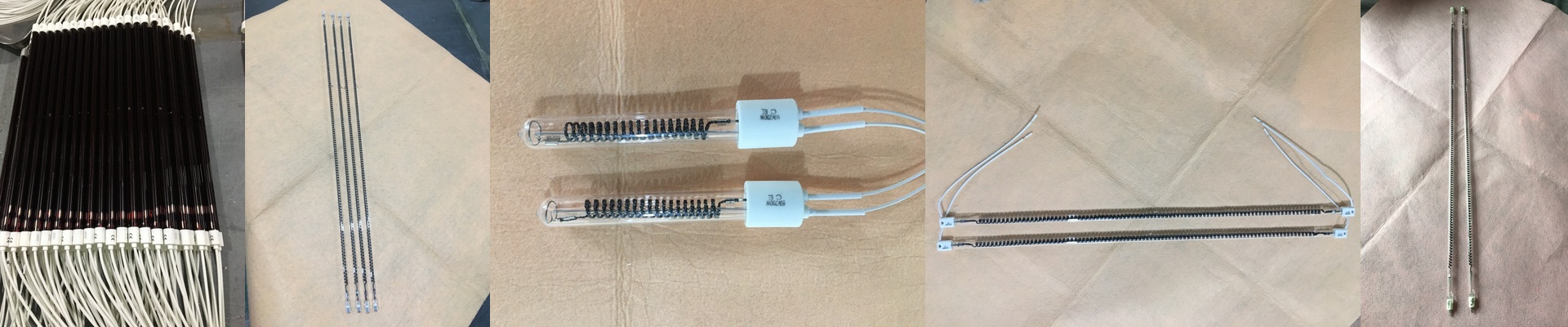
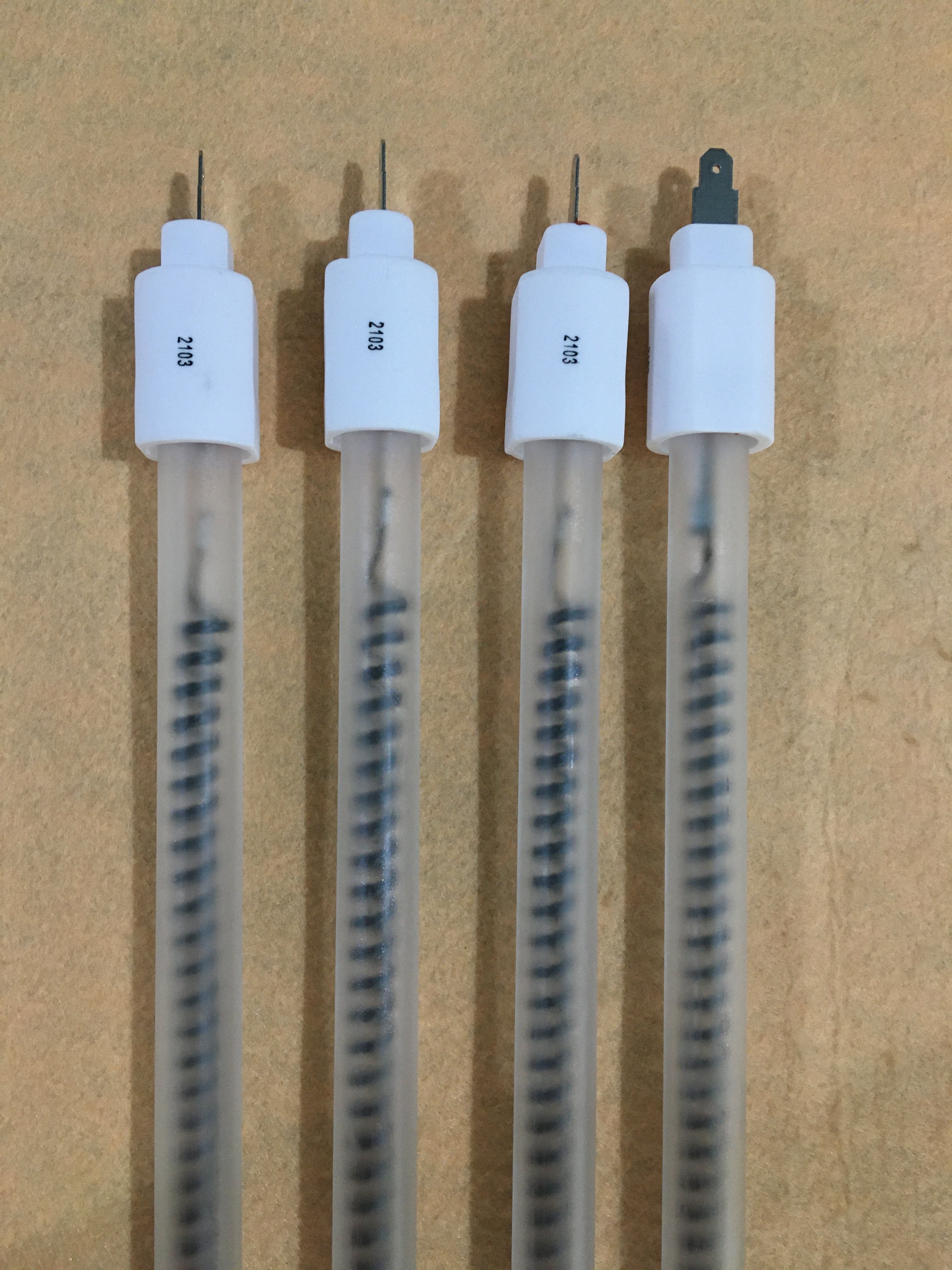
At the heart of this thing is a high-intensity infrared emitter, built around a carbon fiber heating element. We offer it in 230V or 400V, because shops have different electrical setups and different speed targets. If you’re running at production pace, the 2500W option is the workhorse. If you’re in a smaller booth or your cycles are a bit slower, 1500W–2000W is plenty. The tube length isn’t random, either. We give you a 300mm or 600mm active length, because that changes how the heat spreads. A shorter tube concentrates the energy, so you get higher power density over a smaller area. A longer tube spreads it out, so you cover more surface in one pass and spend less time repositioning. And voltage? It changes the current draw, which affects wiring. A 400V 2500W lamp pulls less current than a 230V 2500W version, which can make the supply wiring easier and cut down on voltage drop over longer cable runs. Either way, plan on a dedicated circuit and size your contactor properly.
Why Carbon Fiber and an R7s Connector
Carbon fiber is in there because it heats up quickly and handles repeated heating and cooling without complaining. The element hits operating temperature almost instantly, so you get infrared output the moment you power on. That speed means less waiting between coats and a much easier time keeping paint within the right temperature window. The quartz envelope isn’t a detail we tacked on. It stays stable at high heat and lets infrared through cleanly. It also handles the shock of repeated on/off cycles—just avoid sudden drafts and, of course, any contact with water. We spec an R7s connector because it’s the standard for industrial infrared emitters. It holds a solid connection, handles the heat without softening or deforming, and the two-pin design makes wiring straightforward. When it’s time to upgrade or replace, it’s a simple drop-in.
What It Feels Like to Use: Control in the Booth
In automotive refinishing, infrared curing comes down to matching the coating and the substrate. Infrared energy penetrates the paint film and drives solvent out evenly, which can reduce blistering and help the finish cure harder. With carbon fiber emitters, response is fast, so you can shorten dwell time and tighten up your batch scheduling. These lamps are built to mount close to the panel, which gives you real control over heat density. That proximity can shorten cure cycles, but it also means you need to keep an eye on temperature. Paint has limits, and too much heat can give you orange peel, wrinkling, or even warp the substrate. The payoff is repeatability. Set your distance and cure time, and the lamp delivers consistent infrared output, cycle after cycle. Just keep the heat managed. High power density means you need good ventilation and thoughtful positioning, so the booth doesn’t start to cook and the controls stay happy.
- Infrared
- Heat
- Lamp
- Carbon
- Fiber
- Heating
- Car
- Painting
- 1600w 220v Sk15 Infrared Lamp Heater Halogen Infrared Heating Lamp for Pet Blowing Machine
- 230v-2000w-Half-White-Coating-Infrared-Quartz-Heat-Lamp-With-Ce-Certification-for-Pet-Blowing-Machines
- Sk15 Shortwave Infrared Emitter Ir Lamp Heater Infrared Heat Lamp for Blowing Machine