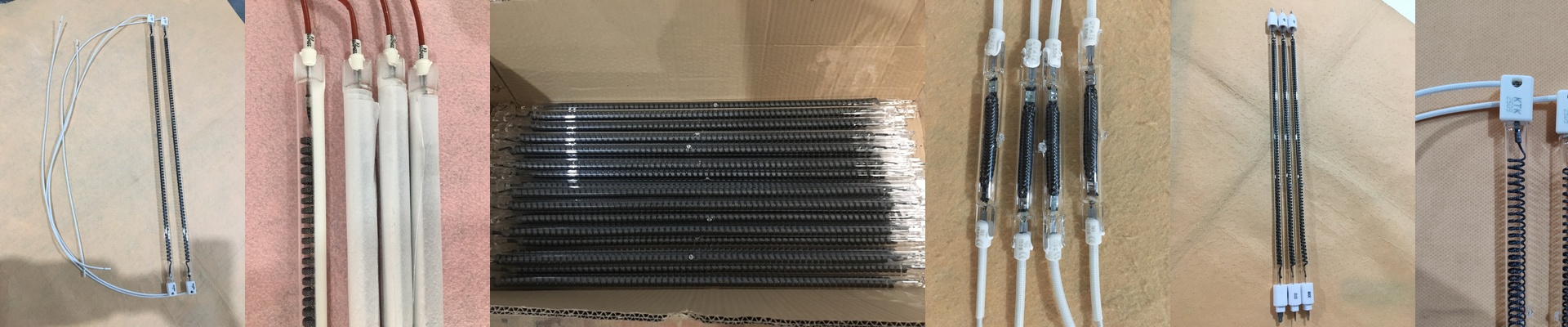
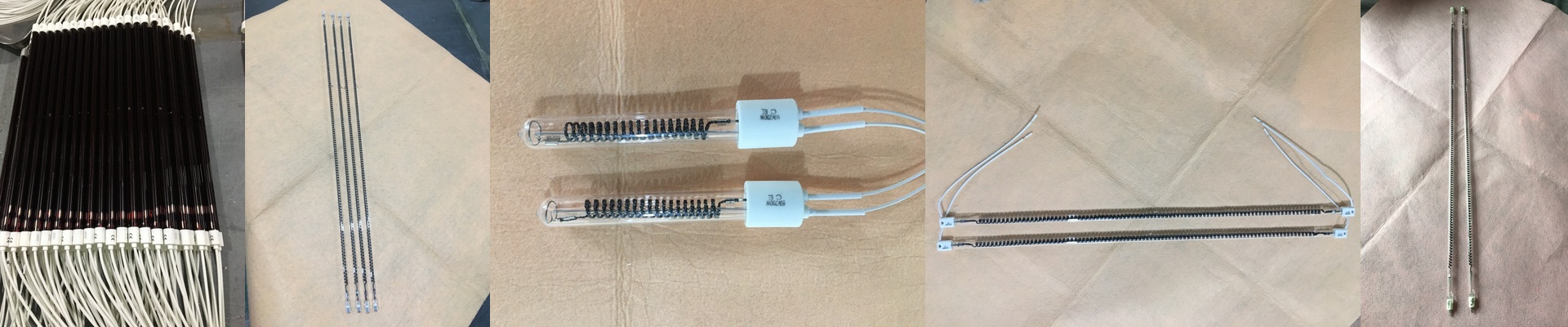
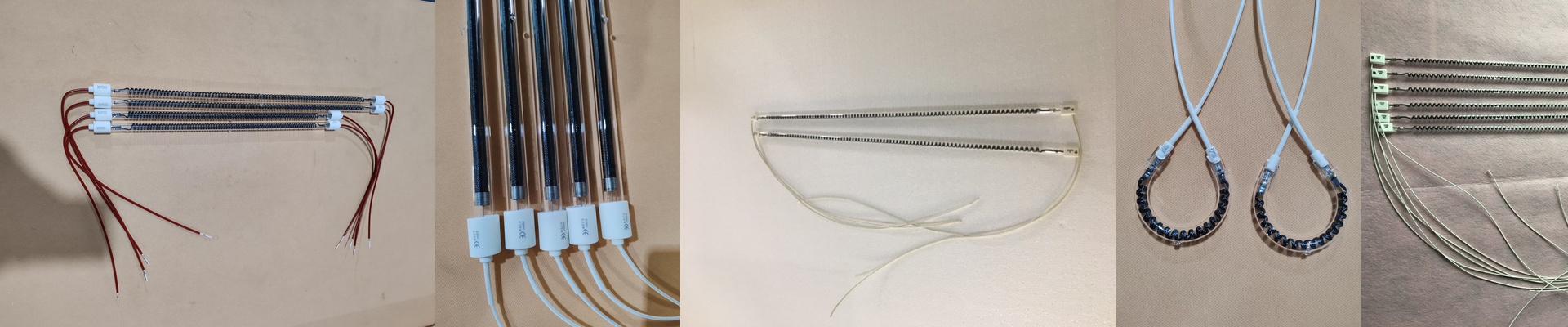
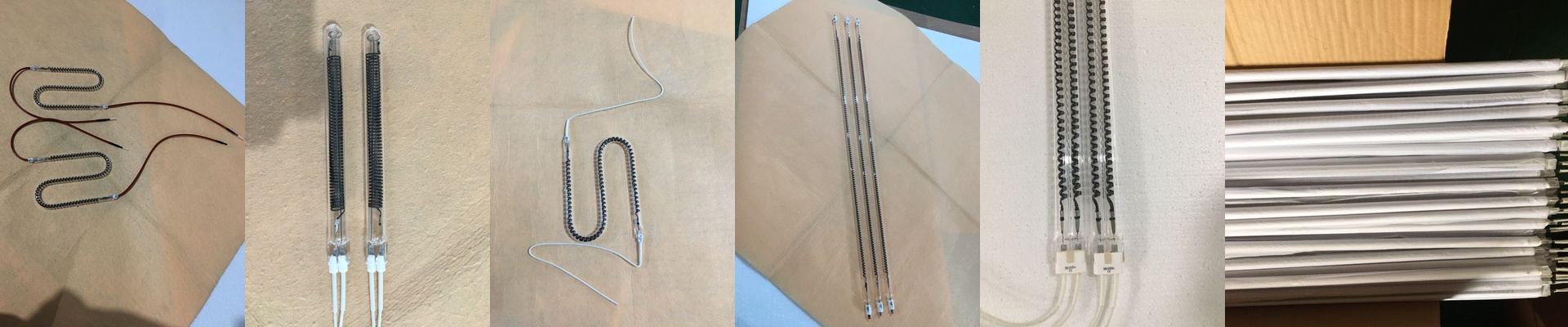
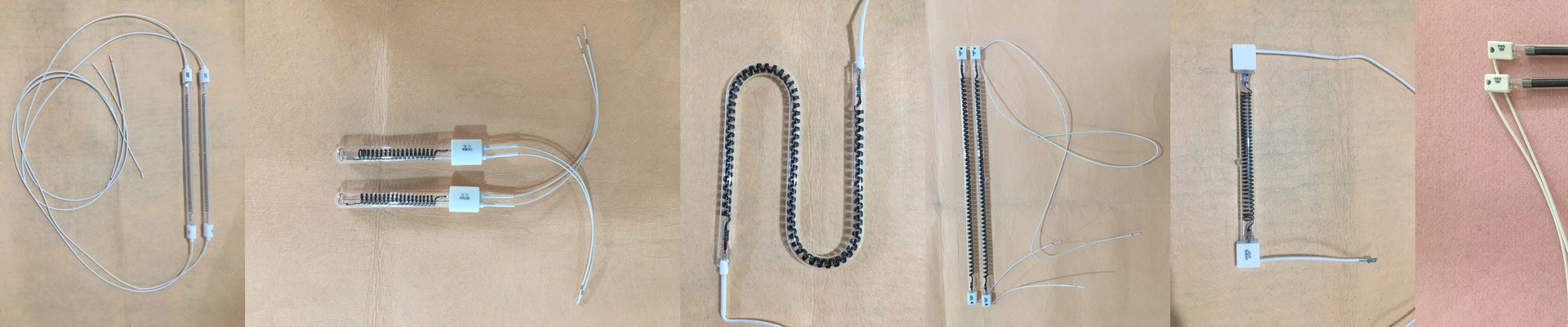
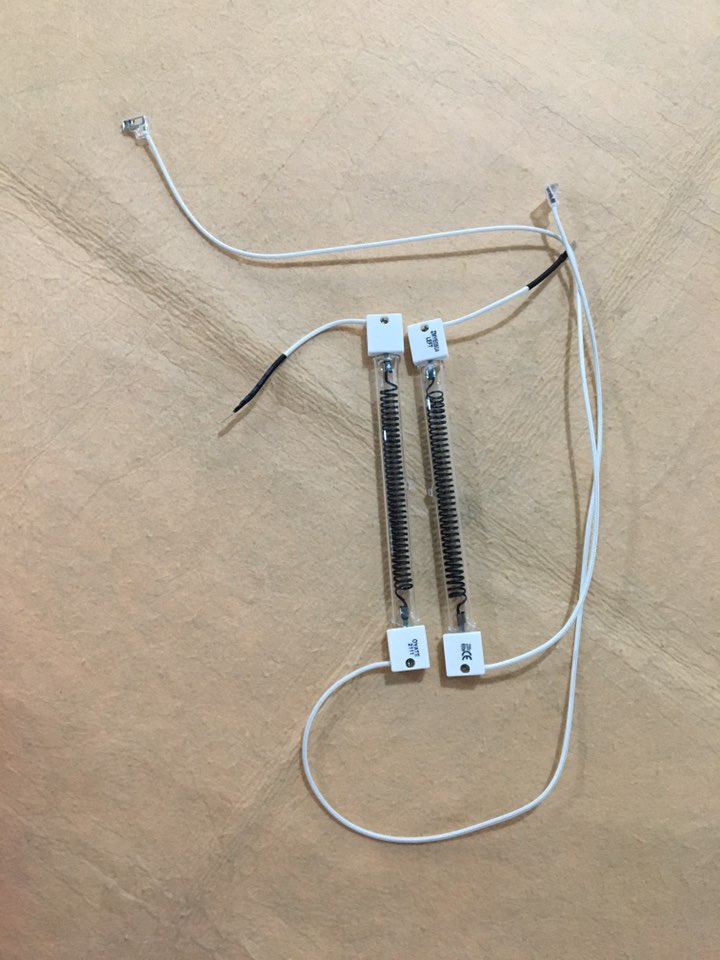
Carbon Fiber Heating Tube: 300mm, R7s Ready, and Built for the Grind
Picture this: you’ve got a heating job that’s squeezed into a tight corner, and you need heat—fast—without the element giving up on you halfway through the shift. That’s exactly why we lean on a 300mm carbon fiber heating tube. It’s small, it’s tough, and it brings serious heat where space is at a premium.
Power, Voltage, and the 300mm Sweet Spot
The 300mm length isn’t just a random number. It gives you a solid, active heating zone that fits neatly into cramped machine spaces while still delivering even, dependable heat across the surface. These tubes are built to match real-world plant power—think 230V or 400V setups—so you can plug them in and get to work without rewiring the whole place. Inside, the carbon fiber core turns electricity straight into infrared heat, and the wattage is tuned to hit your target temperature quickly. It’s fast. Really fast. But here’s the thing: that kind of punch means your surrounding parts feel the heat, too. So your machine’s cooling and thermal management need to be up to the task. If the chamber can’t shed that heat, the tube runs hotter than it should, and the control system ends up chasing the temperature instead of holding it steady.
Quartz, Coating, and the R7s Connection
We wrap the carbon fiber element in quartz because it can take the heat—and keep doing its job—without breaking down. It stays stable, even when things get intense. To keep energy moving where you want it, we add a reflective coating or design the internal geometry to push infrared output forward. Less heat wasted on the mounting hardware means more heat where you need it. And when it comes to hooking it up, the R7s connector makes life easier. It gives you solid contact, clean alignment, and a grip that stays put. On the floor, that means quicker changeovers and fewer headaches from loose connections that create hot spots.
Where It Shines: Tight Spaces, Quick Cycles
This setup was born for jobs that demand fast, focused heating in a small footprint—plastic processing, adhesive curing, compact ovens, you name it. The 300mm tube gives you a predictable heat pattern, and the carbon fiber core responds instantly, so your cycle times stay tight. For engineers, the payoff is simple: it keeps showing up and doing the work, shift after shift. Install it as a drop-in replacement, and you get repeatable temperature performance that holds steady through thermal cycling. Just keep it within the rated voltage and give it a sensible ambient temperature to work in. Do that, and you’ll get consistent output without the premature burnout that ruins your day.