Introduction
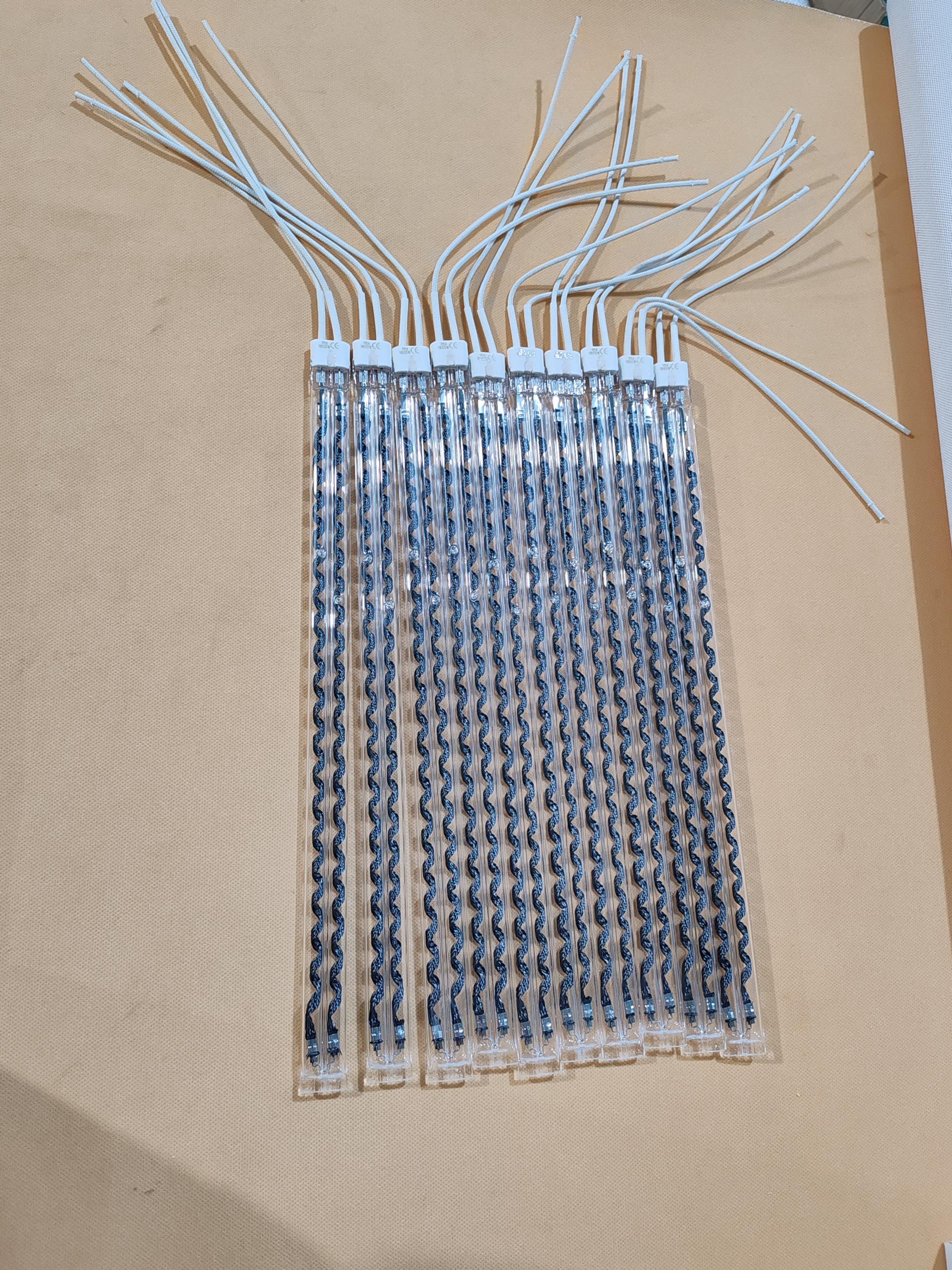
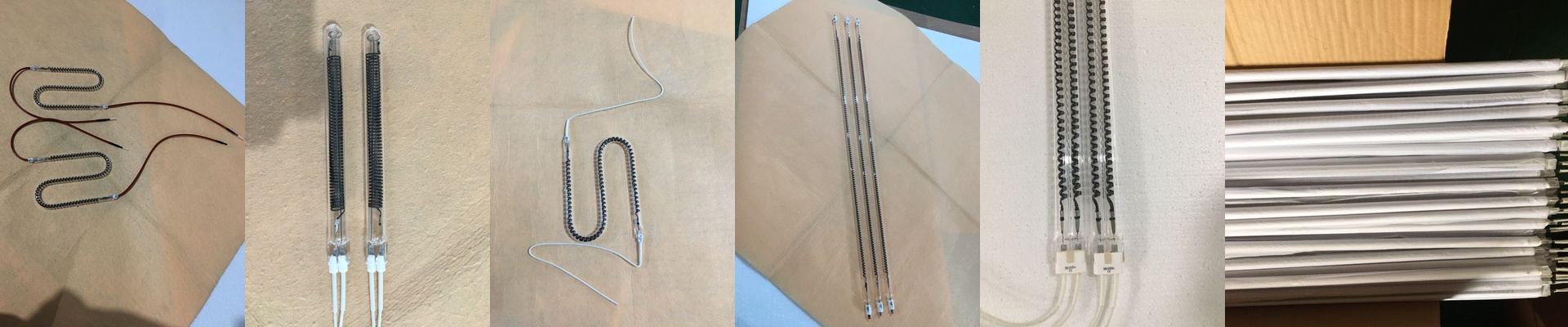
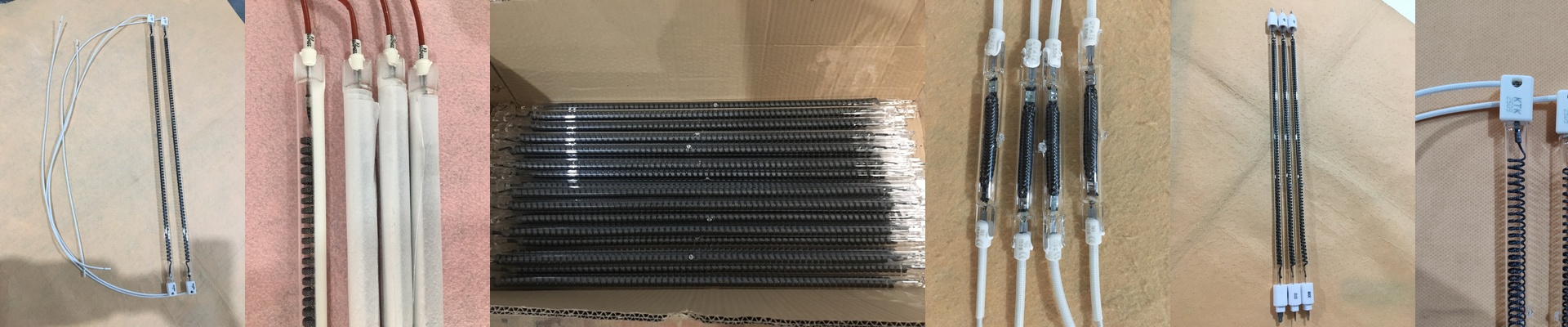
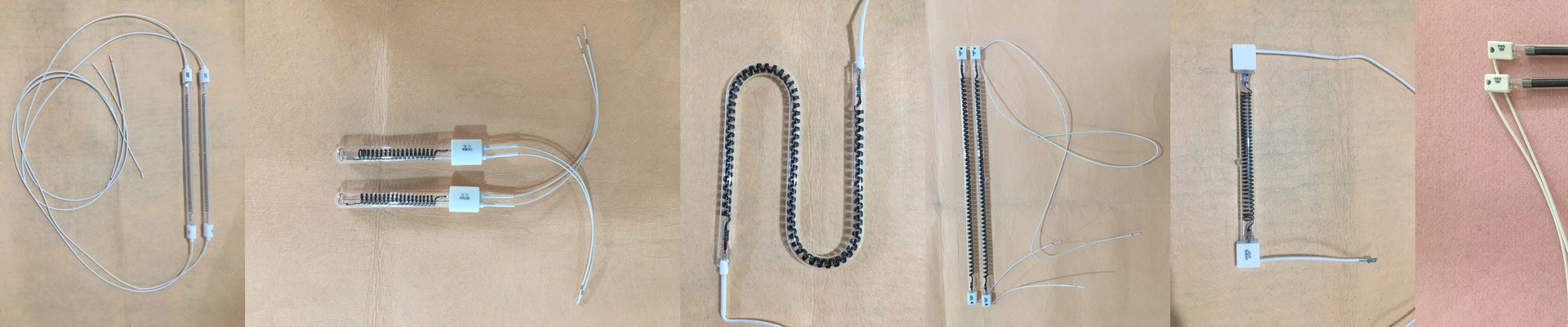
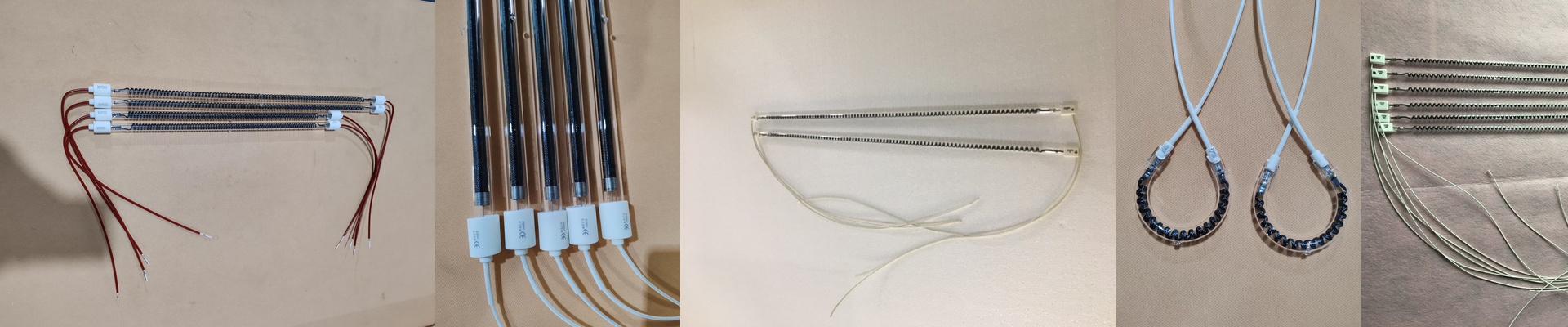
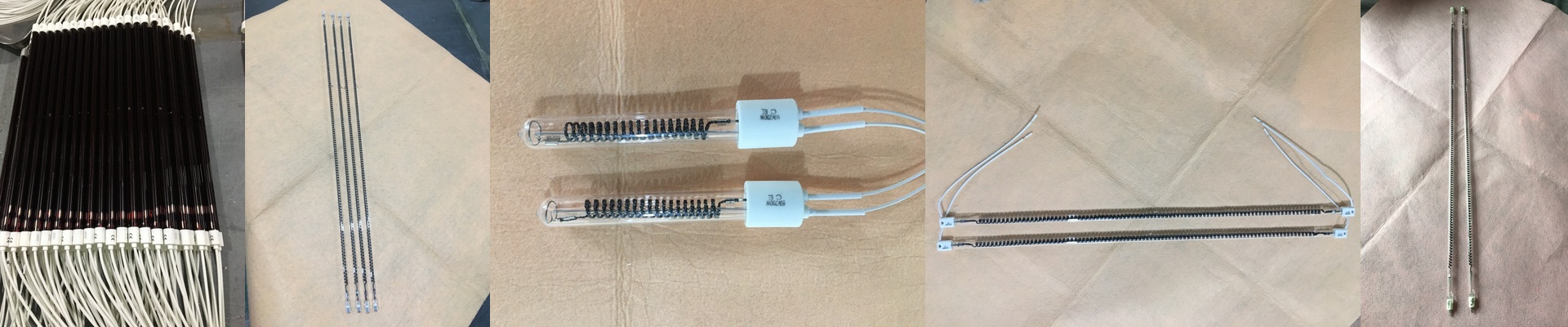
We built this 600mm, 1300W infrared carbon fiber heating lamp for engineers who crave one thing: predictable heat, on demand. You need it fast, you need it focused, and you don’t have room to waste. This is an electric infrared heat lamp, pure and simple. It was born for industrial jobs where you have to deliver intense heat to a specific spot, quickly and again and again, without turning the whole room into a sauna.
The Power, The Size, The Plan
Here’s the thing about the 600mm length and 1300W rating—they weren’t chosen at random. They work together. The length gives you a clear, defined heat zone. The wattage gives you the punch to hit your target temperature fast. In practice, that means you can plan your heating window without needing a bigger machine than you actually need. The 1300W input throws serious infrared power. It’s exactly what you want when you need to heat the surface, not the air around it. The response is instant because the filament heats up on command. No waiting around for a big piece of metal to warm up. But, and this is important, you’re packing a lot of energy into a small space. So you have to plan your control strategy and make sure the cooling around the lamp is up to the job.
Built to Take the Hits
The carbon fiber heating element gives you steady resistance and an even temperature from one end of the tube to the other. We wrap it in a quartz envelope because, let’s face it, quartz can handle the heat. It also takes the thermal shock of on/off cycles without flinching. This lamp was designed to be a workhorse. The standard length and end fittings mean it drops right into the brackets and reflectors you probably already have. No need to redesign the whole setup. It’s built for the messy reality of production—the vibration, the dust, the constant heating up and cooling down.
Where It Shines
You’re going to love this lamp for jobs that need fast, localized heat. We’re talking about curing coatings, drying surfaces, pre-heating parts, or any step in plastic processing that needs a quick blast of energy. Because the infrared heat goes straight to the workpiece, you waste less energy heating the air around it. On the shop floor, the payoff is simple: a heat profile you can count on, a small footprint, and an element that’s easy to wire up and swap out. Just remember to plan for enough airflow and thermal clearance. High power density means things happen fast, and your nearby components need room to stay cool and safe.