Introduction
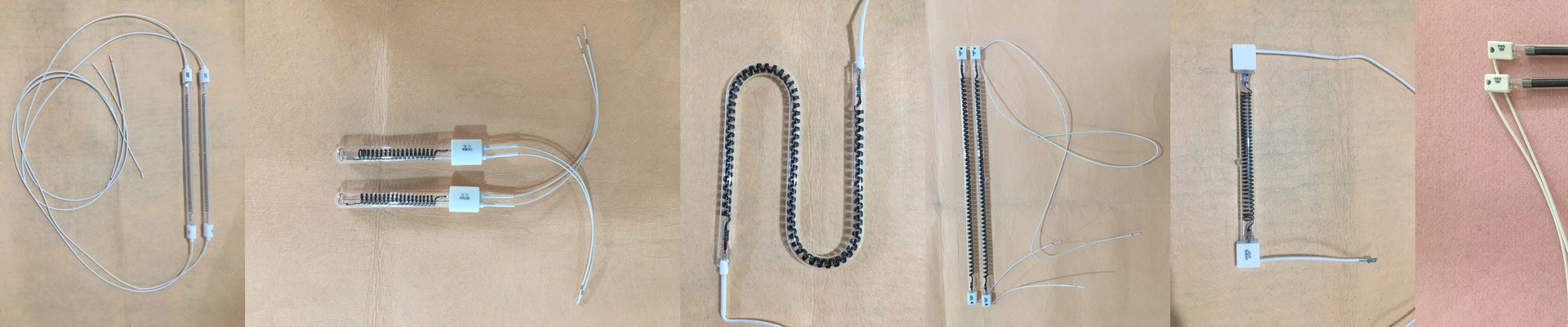
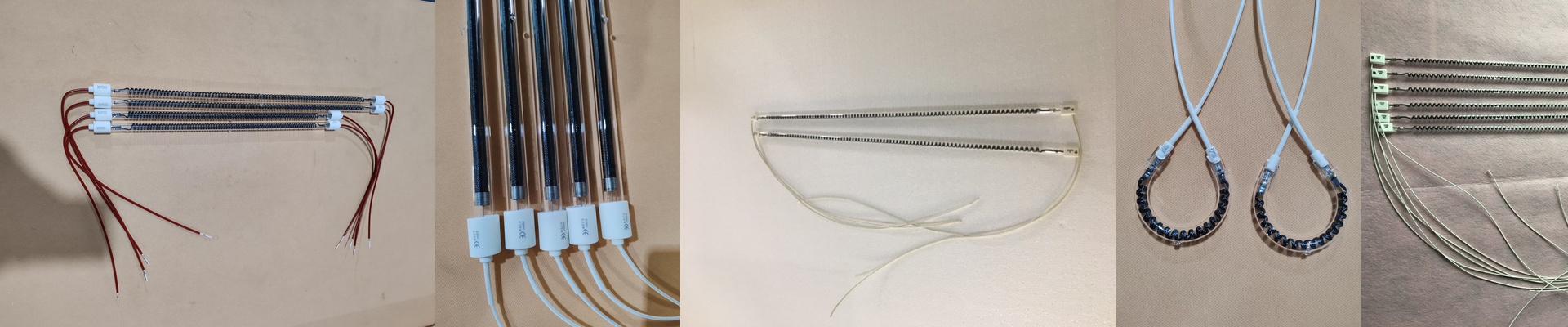
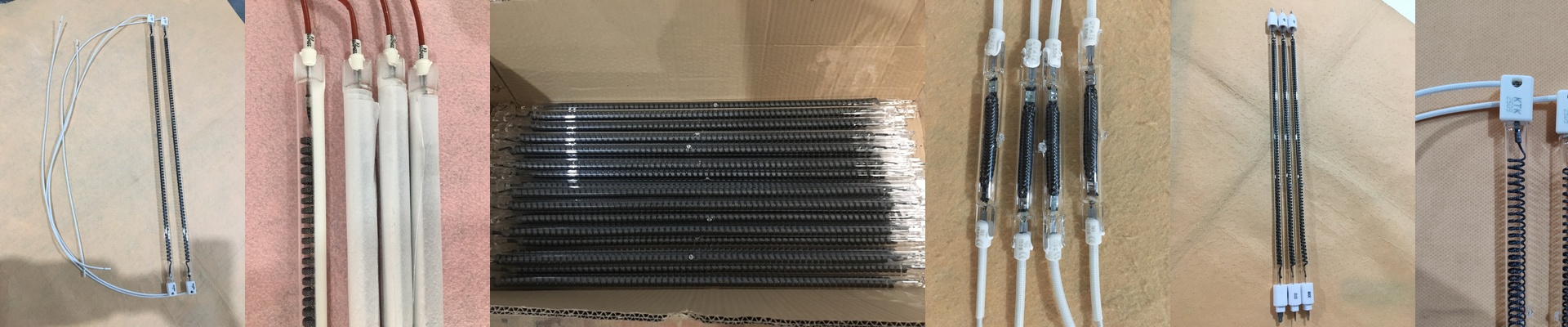
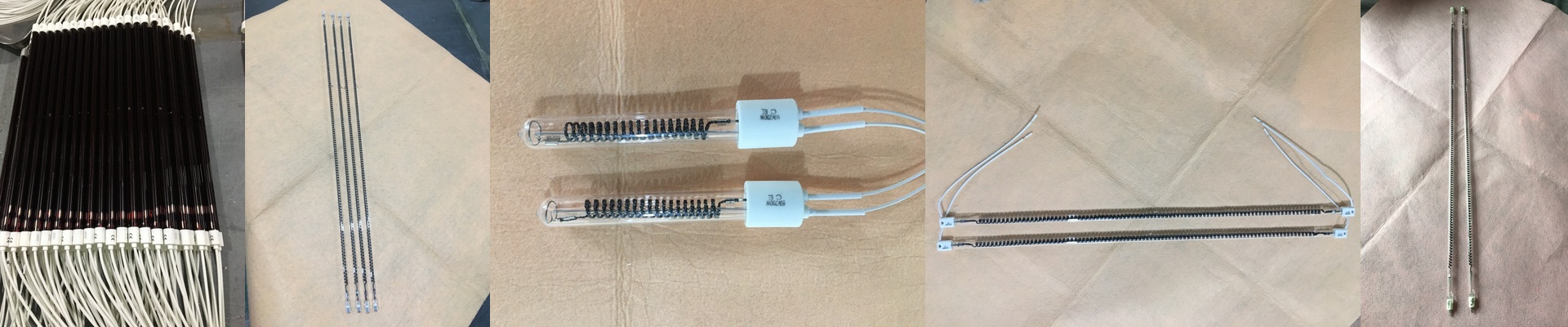
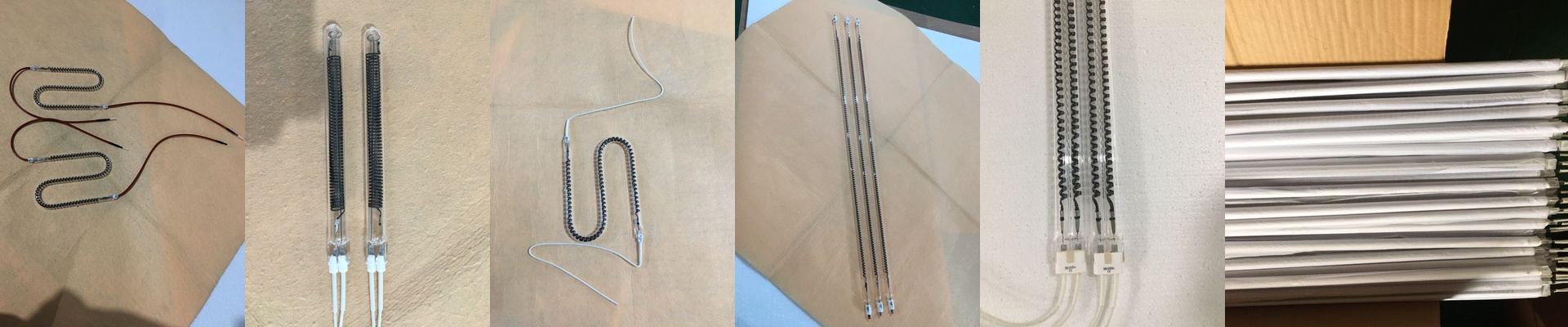
We make infrared carbon fiber heating lamps for the places where speed and control aren’t optional—they’re the whole point. Think industrial heating that has to snap to attention the moment you need it. These lamps pair a carbon fiber filament with halogen gas inside a quartz envelope, so you get intense, shortwave infrared heat. They’re built for the tough, non-stop rhythm of plastics, coating, and drying lines. And the best part? They drop straight into standard fixtures, so you don’t have to redesign the machine just to get them working.
Power, Voltage, and Size—What Actually Matters
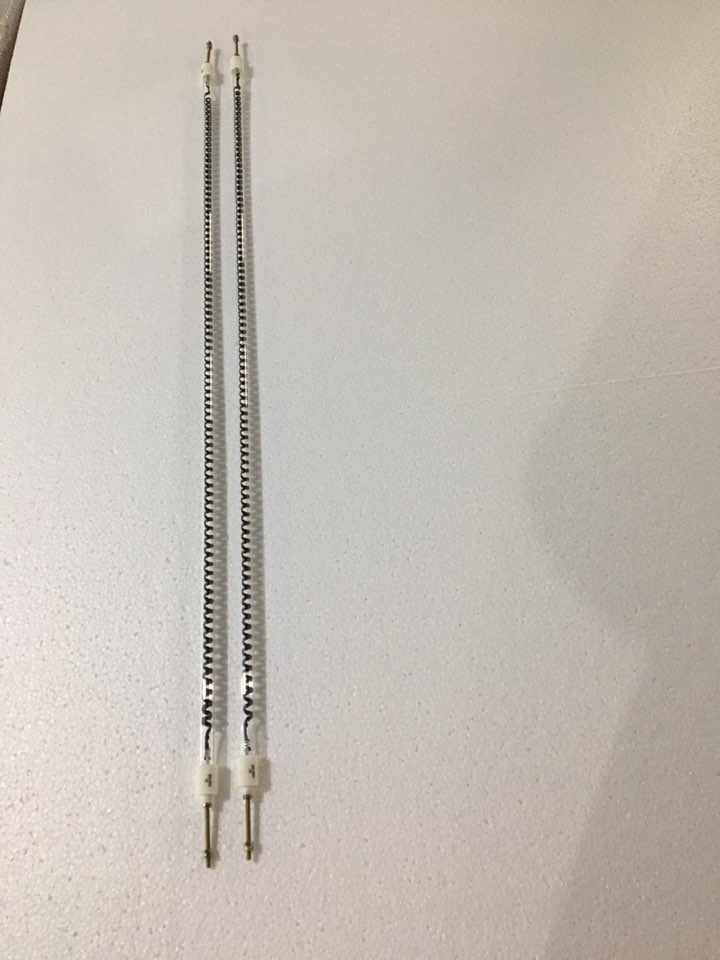
Here’s the core of the spec: wattage and voltage, usually 2500W at 400V. That high-voltage approach keeps the current lower for the same power, which means you can use smaller wiring and avoid voltage drop over long runs. The payoff is a cleaner install with less heat building up around the terminals. The tube is typically around 300mm long. That short length concentrates the heat into a tight zone, which makes focusing and shielding a lot simpler. But—and this is important—it also means high power density, so you have to size the reflector and machine cooling accordingly. If you need a wider heating window, you can run multiple lamps in parallel. Same design intent, just more coverage.
The Materials and the Why Behind Them
We chose a carbon fiber filament because it responds fast and stays steady through repeated heating and cooling cycles. No fuss, just reliable performance. The halogen gas fill lets the filament run hotter without wearing out quickly, so the infrared output stays consistent over the life of the lamp. Quartz is the envelope for a simple reason: it handles thermal shock well and stays clear in the shortwave infrared range. It also supports internal coatings that fine-tune the spectral output and protect the filament environment. For termination, the R7s base is the standard for double-ended linear lamps. It gives solid contact and consistent alignment, which makes these lamps a direct swap into existing reflector setups. If the job needs extra mechanical retention—say, on a production floor with vibration and pull—we use an SK15 connector. It holds firm when things get shaky.
Where They Shine—And What It Feels Like to Use Them
In the real world, these lamps show up wherever you need heat on demand: PET blowing, surface curing, plastic welding—you name it. They start up fast and pack serious heat density, which lets you shrink the heating zone and cut down idle time. The design is built for harsh environments, but like any serious tool, it still needs proper cooling and clean reflectors so the quartz envelope doesn’t overheat. When you size them right, you get a lamp that can take the heat—and keeps your process moving without drama.