Introduction
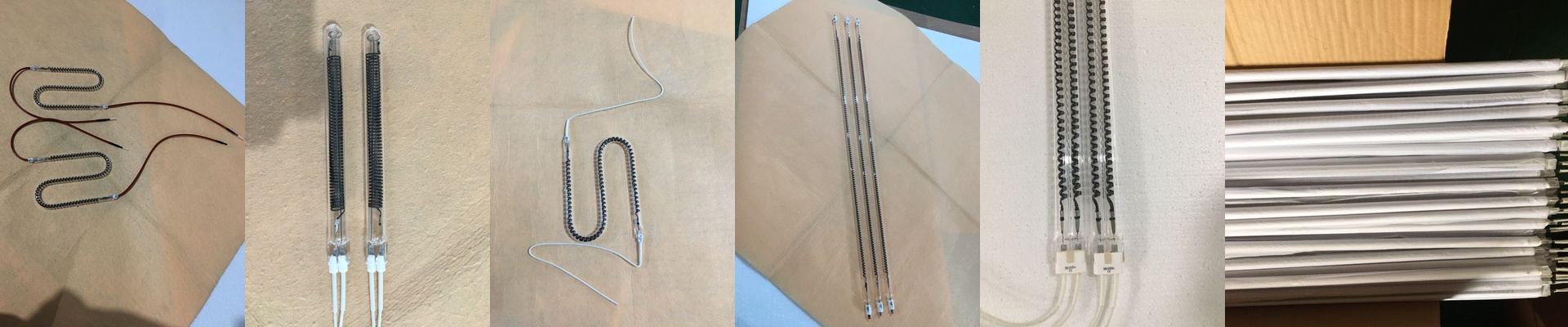
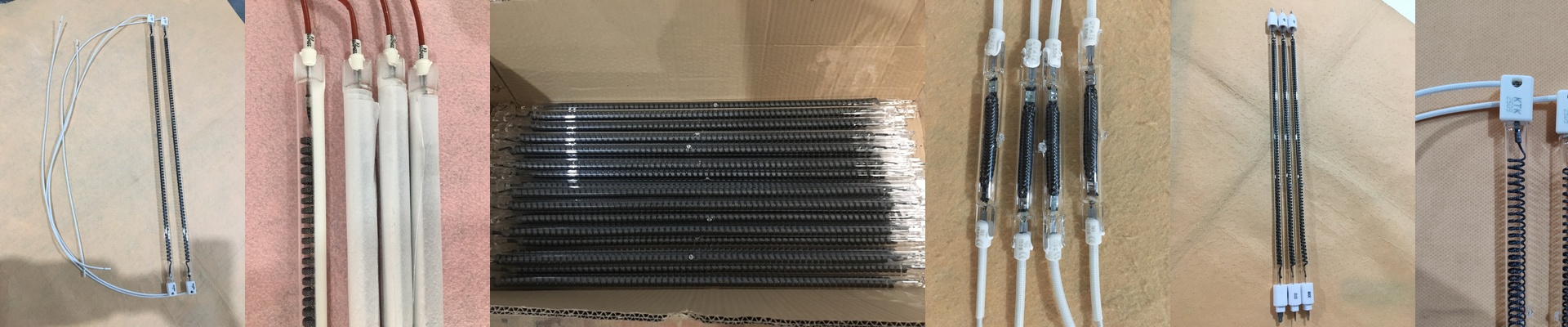
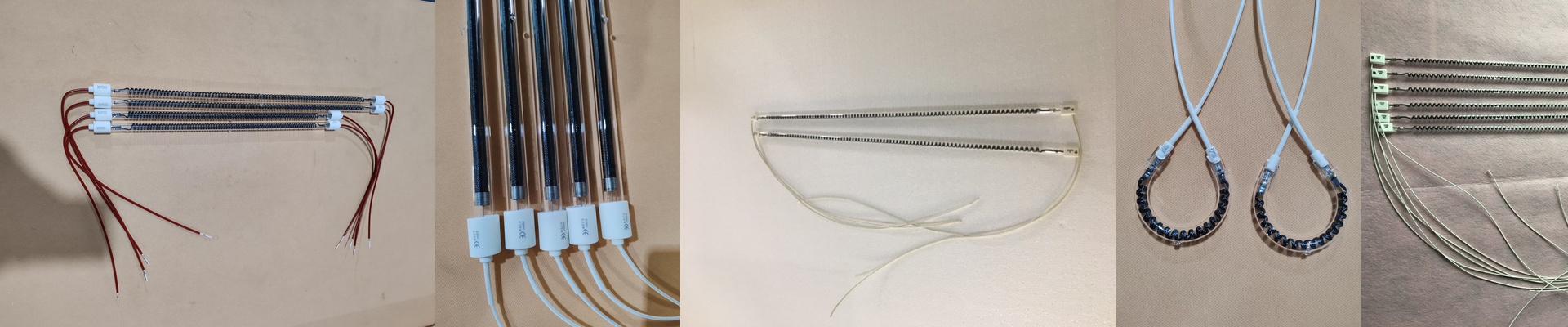
We built this carbon infrared heater to be your go-to for one thing: fast, focused heat. It’s a direct-radiant powerhouse, designed for industrial jobs where you need intense energy, right where you need it, without wasting time heating up the whole machine. Think of it as a targeted heat source. It delivers a serious punch of heat in a small package, so you get that quick thermal response you need, without turning your entire work area into a sauna.
Getting into the Details
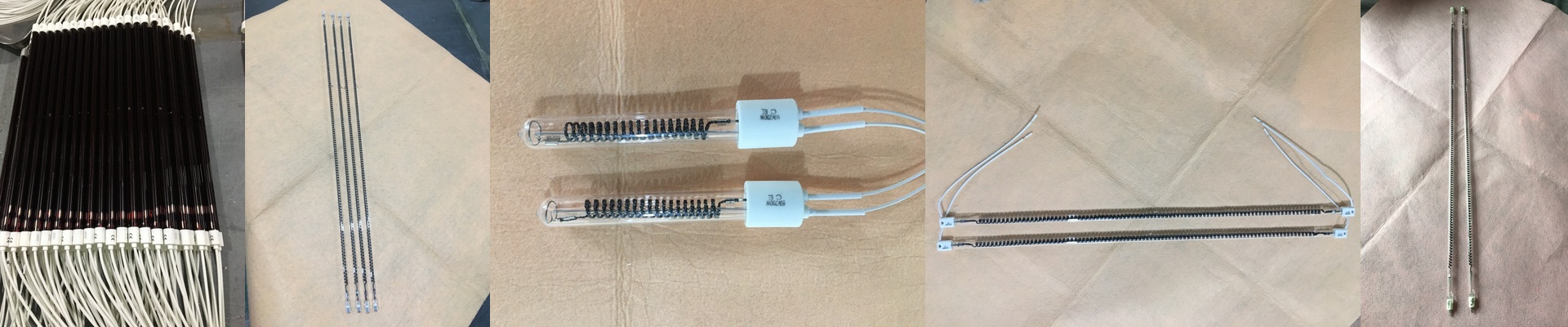
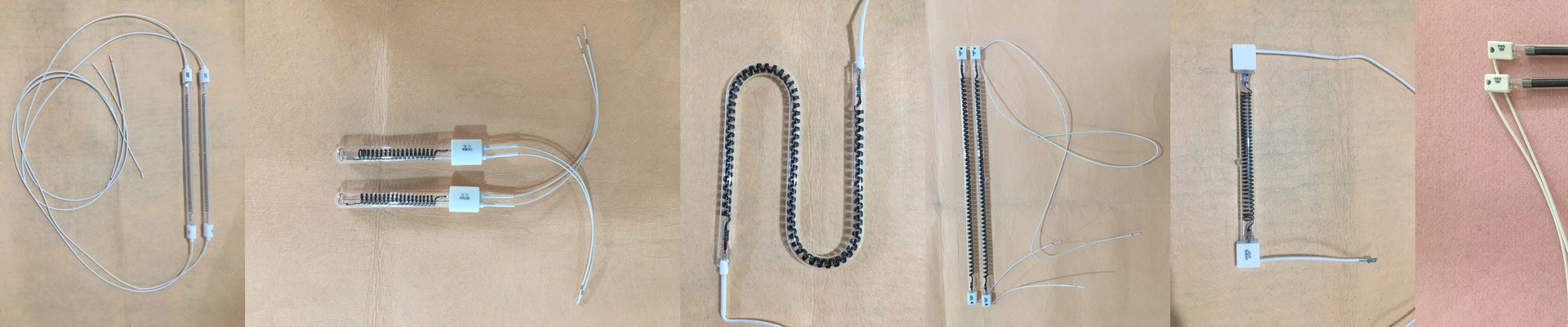
When it comes to these heaters, you’ll mostly pick them based on three things: voltage, wattage, and length. These three tell you what the heater can do and how it’ll fit into your setup. Take the 400V rating, for example. That means it’s made for higher-voltage industrial circuits, which pulls less current than a lower-voltage option. Less current can mean you can use smaller wiring and put less stress on your contacts. But, and this is important, it also means your power supply and controls need to be properly rated for the job. Wattage is all about how much energy it delivers, and the length determines the heat pattern and how much area it covers. Matching the lamp length to the spot you want to heat is key—it’s the difference between focused energy and wasted heat. That’s why the physical size is just as important as the electrical specs.
What’s Inside and How It’s Built
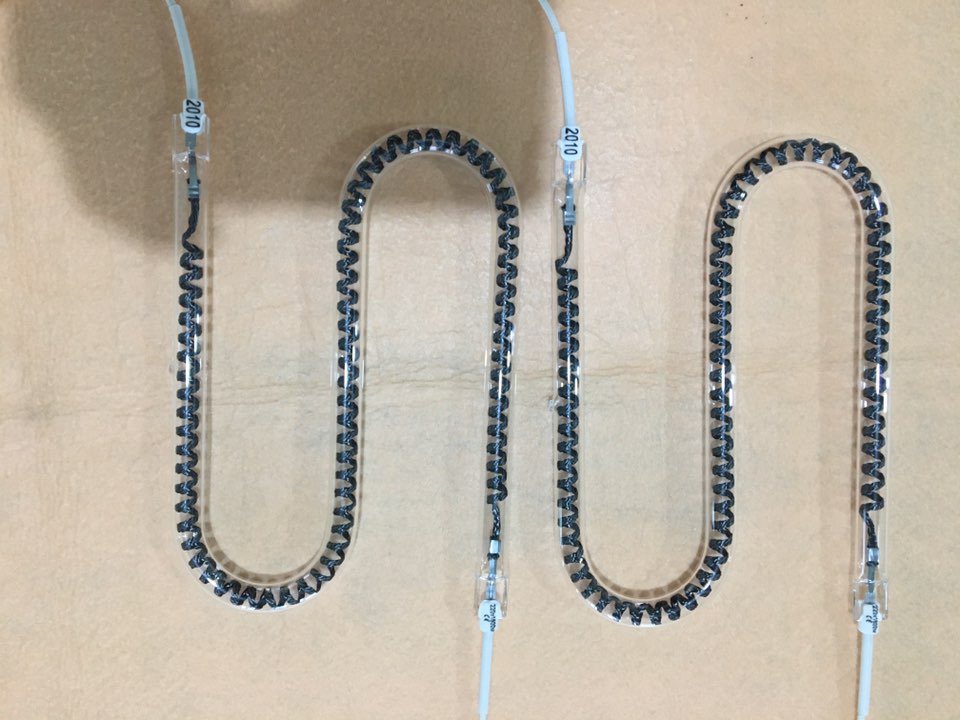
Inside, the carbon filament sits in a quartz tube, usually with a halogen fill. The halogen does a neat trick: it helps keep the filament stable by putting back the material that naturally evaporates over time. This keeps the heat output steady and reliable for the life of the lamp. The quartz tube is tough, handling the high temps and letting the infrared energy pass through cleanly. Then there’s the R7s base. It’s a simple, two-contact linear connection that’s easy to wire and gets the lamp lined up just right every time. It’s designed to be a drop-in replacement for standard linear holders. If your setup has vibration or goes through temperature swings, this base holds its alignment better than some bayonet styles. Just make sure you choose the right holder to keep the terminals at a safe temperature.
Where It Shines
So, where does this all come together in the real world? Anywhere you need to heat up a specific surface or part fast. We’re talking plastic forming, curing lines, drying stages—you name it. The carbon heater gets hot almost instantly, and the infrared heat just sinks right into organic materials and coated surfaces. But there’s a trade-off, and it’s a big one: thermal management. All that power packed into a small space means the surrounding parts are going to feel the heat. You need to plan for airflow, add shielding, and make sure you have temperature sensors in the right places. Get the lamp spec’d, wire it up, and then test the heat path on the machine. That’s how you get consistent performance without burning things out too soon.