Getting the Most Out of Carbon Fiber Infrared Heaters
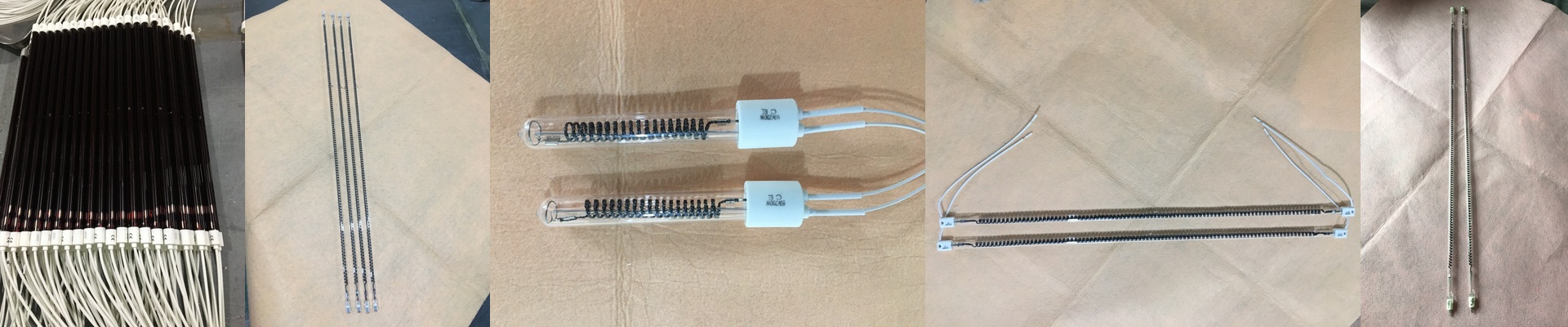
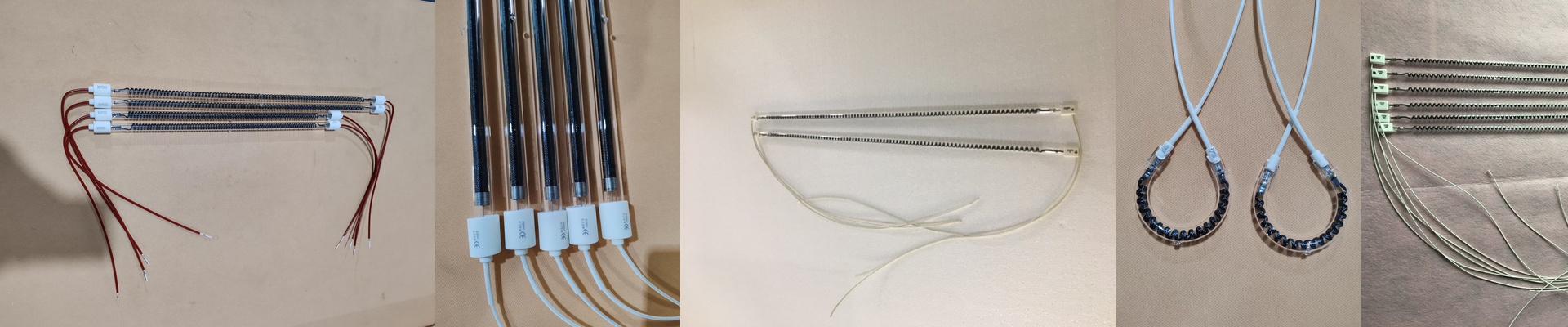
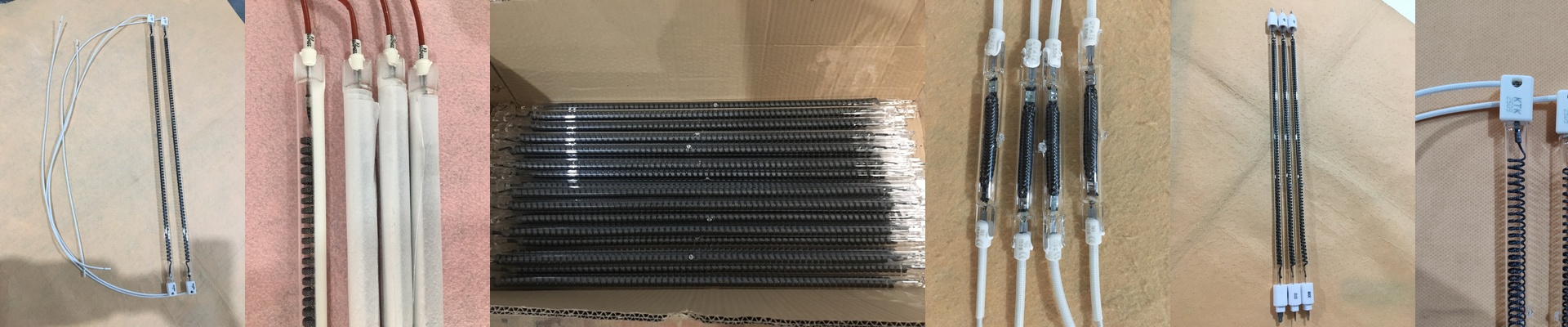
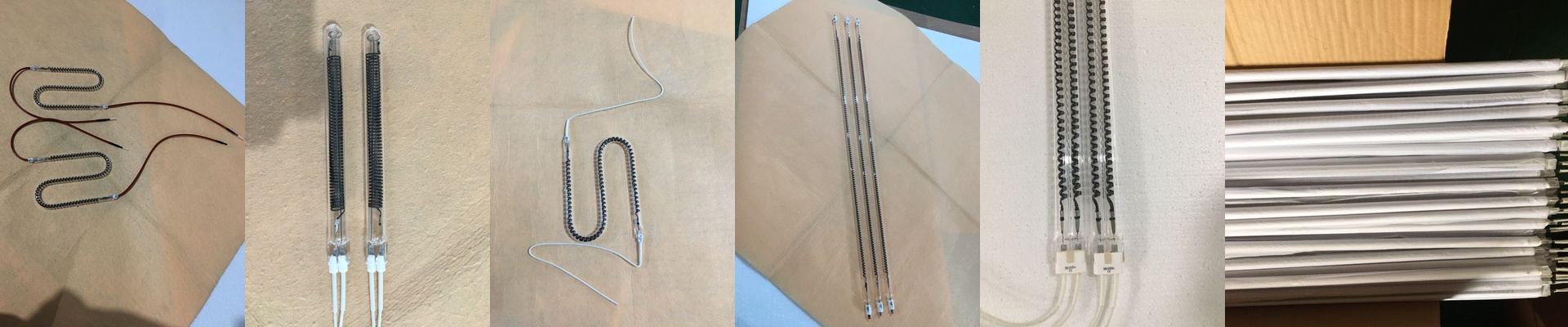
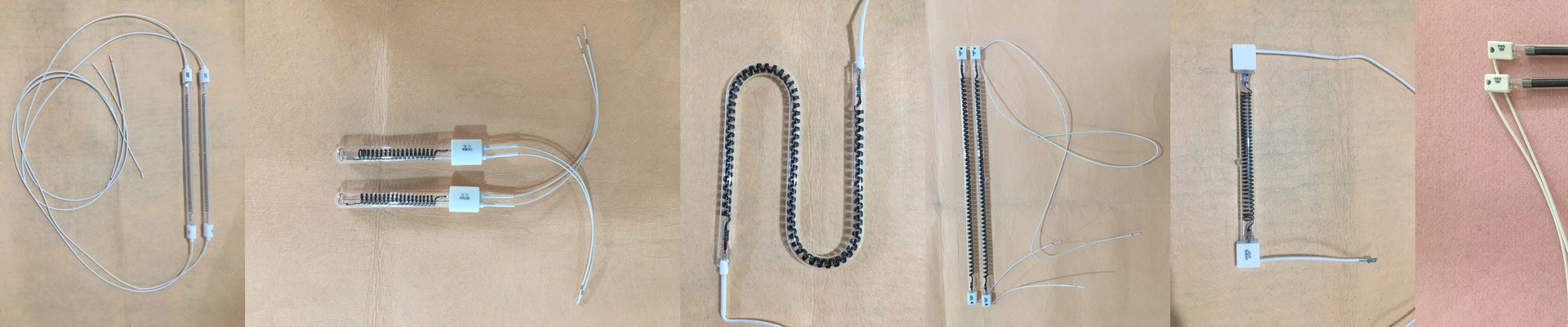
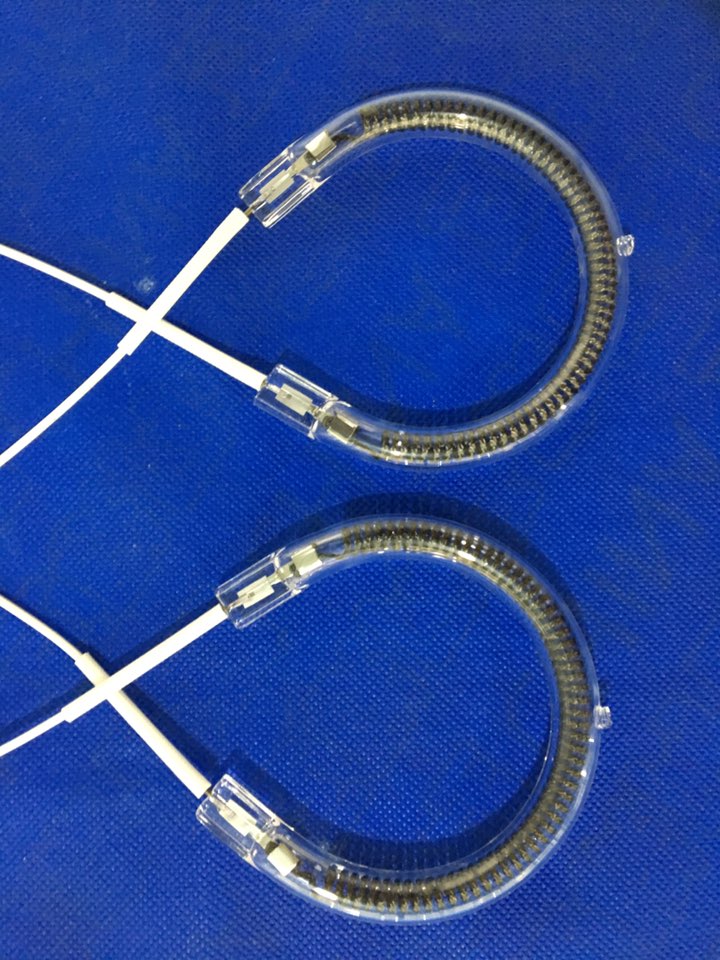
Here is how these things actually work: we run a current through a carbon fiber filament tucked inside a quartz tube. It’s a lot tougher than those old-school metal coils. They can take way more heat and blast out shortwave infrared radiation, which is exactly what you need when you need things to get hot—and stay hot—fast. The Power Side of Things When we figure out the specs for your gear, it all comes down to how much heat you actually need to move. High wattage means the heat penetrates deeper and faster. But here is the catch: if you’re cranking up the voltage to get more intensity, your power supply has to be rock solid. Industrial power grids can be messy. One bad voltage spike and your filaments are toast. To avoid that headache, just use a dedicated regulator. It saves you from having to replace lamps way sooner than you should. The Hardware That quartz tube isn’t just for show—it keeps the filament from oxidizing and burning out. We even have versions with special coatings that push the heat directly onto your product instead of just warming up all the air in the room. As for the plugs, we stick to the basics like R7s or Sk15. Why? Because nobody wants to spend their weekend rewiring an entire PET blowing machine or a massive oven. You just pop the old one out, slide the new one in, and get back to work. Simple. Real-World Trade-offs These lamps are absolute beasts for drying, curing, or shaping plastic. They hit the target temp in seconds. It’s satisfying to watch. But there are a couple of things that can trip you up. First, you’ve got to keep your reflectors clean. If dust builds up, your efficiency tanks, and the lamps have to work twice as hard to make up for it. Also, watch your airflow. If your cooling fans aren’t up to the task, all that ambient heat can actually warp your housing or melt your wire insulation. Keep the air moving, and your quartz will last a whole lot longer.