Infrared Carbon Fiber Heat Bulge Tubes: The Specs, The Science, The Real-World Use
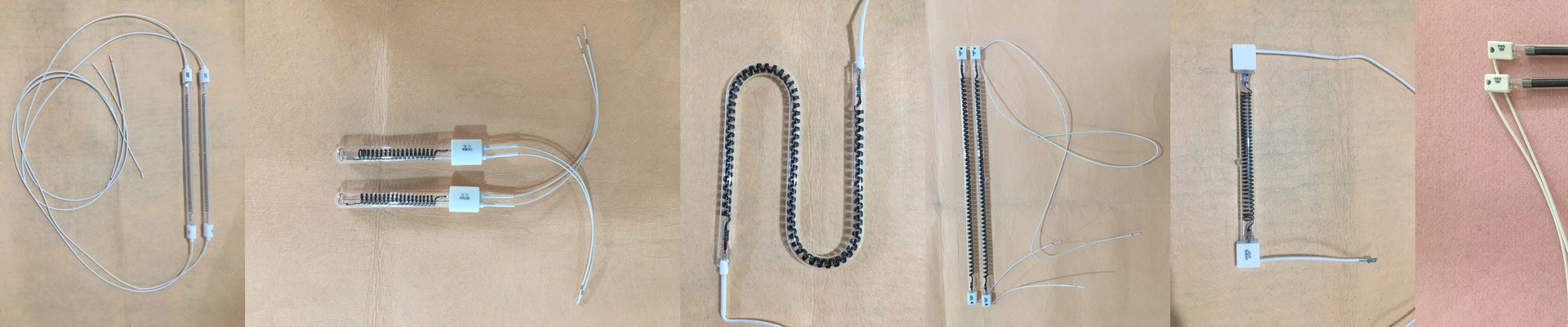
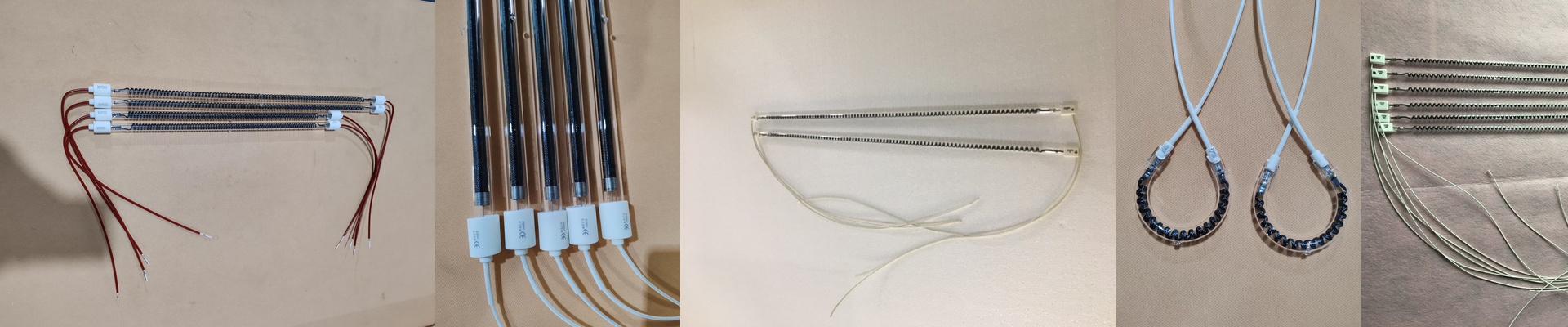
We built this infrared carbon fiber heat bulge for one reason: industrial heating that needs to be fast, precise, and compact. Forget one-size-fits-all. This is a tool built for a very specific job—where you need intense heat in a small space and consistent infrared output you can count on.
Let’s talk power, voltage, and size
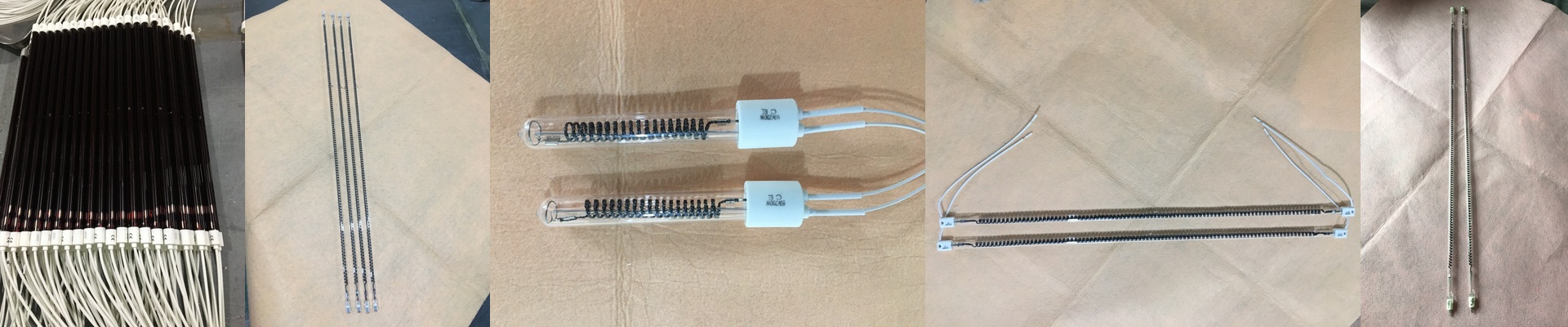
These tubes run on 400V and hit 2500W, all packed into just 300mm. That 400V setup is smart—it gives you serious power without forcing too much current through the wiring and terminals. And that short length? It keeps the thermal mass low, so the tube heats up fast and cools down fast when the job is done. The 2500W rating is chosen to meet the heat demand of industrial bulging and forming stations without stacking multiple heaters. You get the energy density you need, but there’s a trade-off. The surrounding equipment has to be ready to manage that heat. If the cooling isn’t set up right, your temperature control will start chasing its tail.
What’s inside, and why it matters
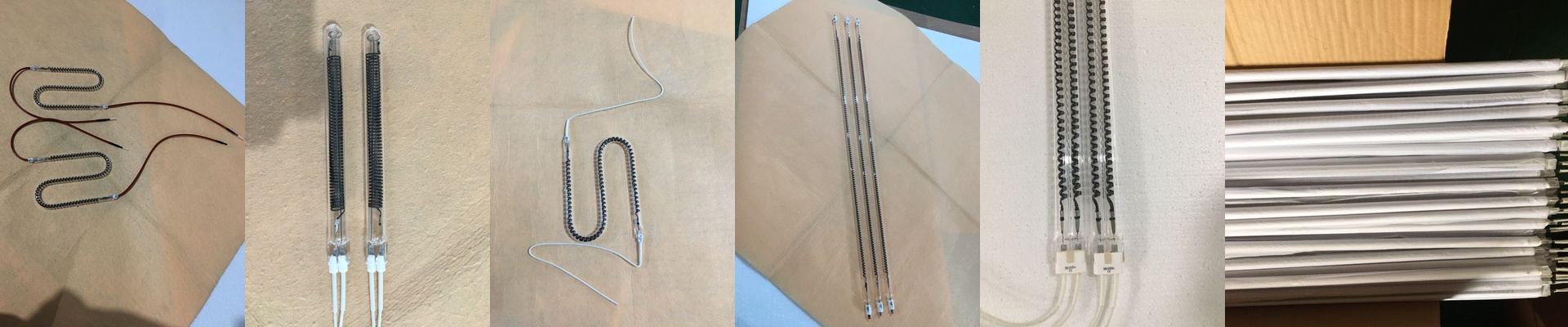
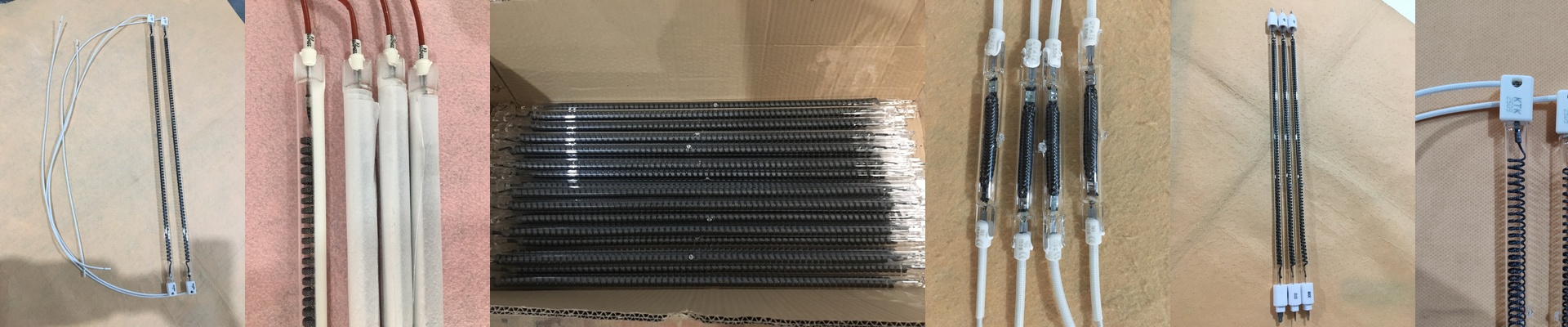
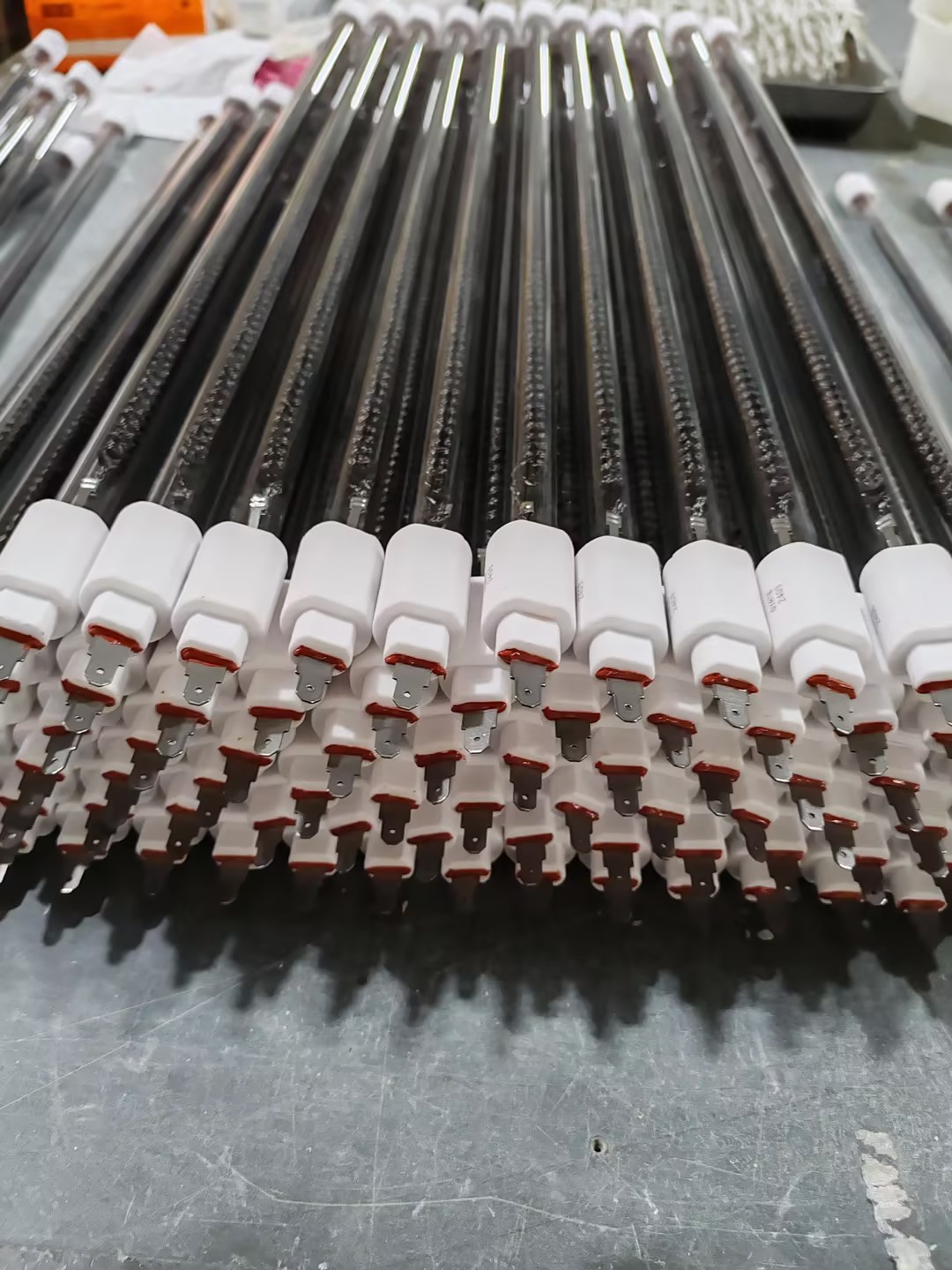
At the heart of it is carbon fiber, chosen because it holds steady resistance even after countless heating and cooling cycles—and because it heats up quickly when you need it to. That carbon element sits inside a quartz envelope, which keeps everything clean and gives the heat a stable environment. A reflective coating on the outside directs more infrared energy forward, so you get better efficiency and less wasted heat out the back. And the R7s connector? It’s a practical, industrial-grade choice. It gives you a secure, two-point electrical connection that can handle the 400V load, and it makes the tube a straightforward drop-in replacement. It’s tough enough for the production floor, yet simple to wire and maintain.
Built for the realities of the production line
This whole setup shines in processes like PET blowing and plastic forming, where the heat zone is narrow and the cycle time is fast. The short tube and high power density let you focus the heat exactly where the material needs it. You get quick start-ups, repeatable temperature control, and a footprint that doesn’t crowd your machine. The R7s termination keeps integration simple. But here’s the catch—with 2500W packed into 300mm, you’ve got to plan for heat. Make sure your machine has proper airflow and thermal separation. If you don’t, your control system will end up working way harder than it should.