Why the Right Infrared Lamp Socket Can Make or Break Your Rework Line
We make infrared lamp sockets for rework stations, and we build them to an OEM standard for one simple reason: on a production floor, downtime isn’t an option. In electronics assembly, rework isn’t a “nice-to-have.” It’s part of the workflow. And it has to be repeatable, fast, and reliable—without constant recalibration. When your heating tool is spec’d correctly, you cut cycle time and slash rejects. And that? That directly boosts your margin on the board.
Power, Voltage, and Geometry—Why They Actually Matter
Here’s the thing about infrared rework: it’s not about roasting the whole board. It’s about delivering the right heat to the exact spot you need. Our lamp systems are built around a high-wattage, high-voltage approach—usually 400V—so the heat hits hard in a tight area. The 300mm tube length isn’t random. It’s a sweet spot: long enough to cover BGA zones and connector arrays, but short enough to keep the beam focused and consistent. A 400V, 2500W setup gives you intense heat density right where you need it—perfect for lead-free reflow and swapping components. But there’s a trade-off: that heat has to go somewhere. If your station is tight on airflow, you have to plan for cooling. Match the lamp to the cooling, and the whole system stays under control.
Built to Last: Halogen, Quartz, Coating, and the R7s Fit
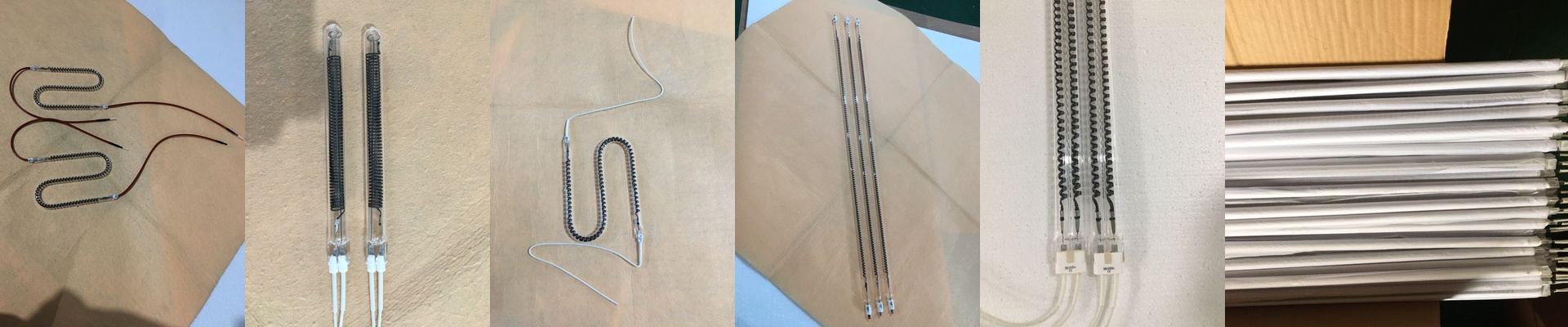
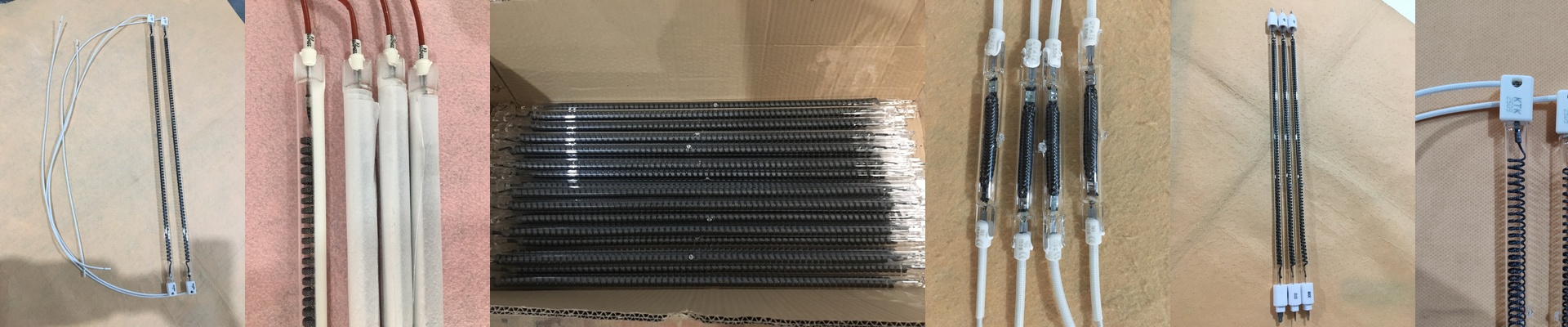
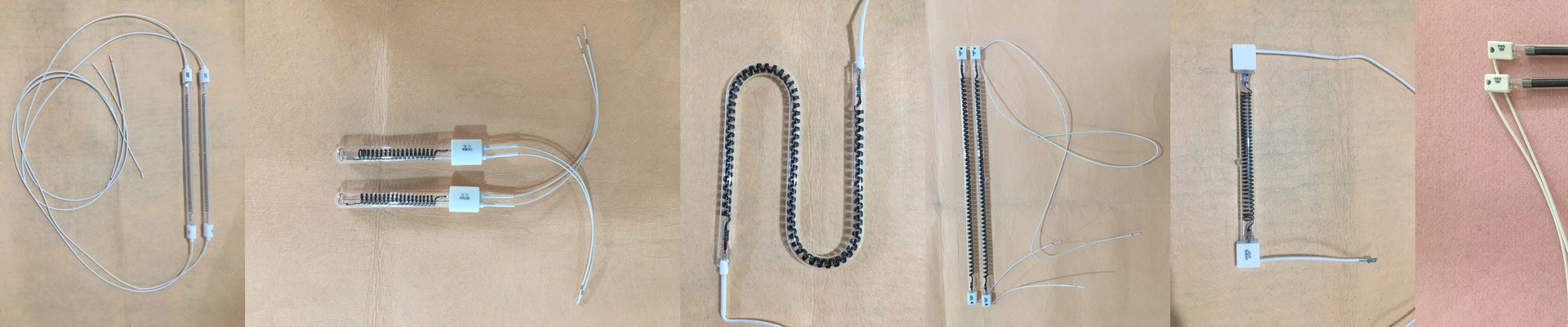
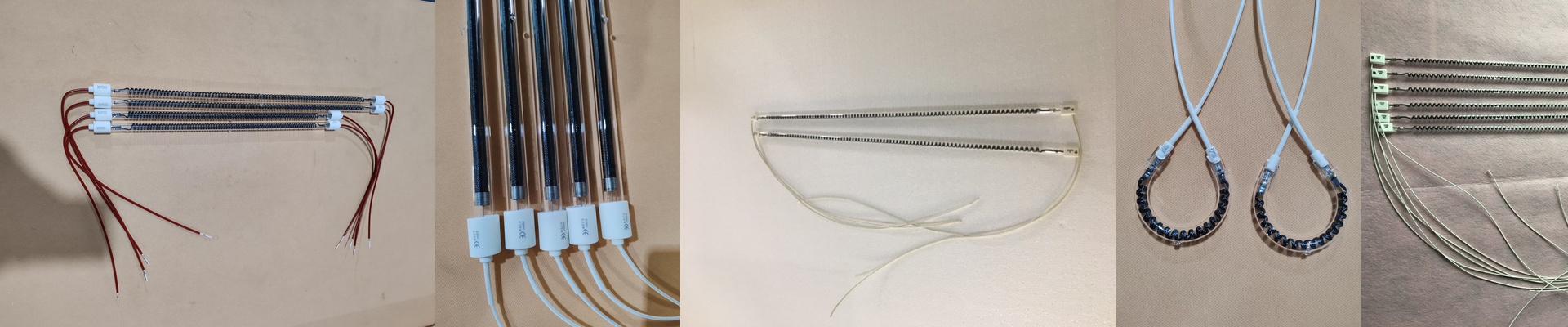
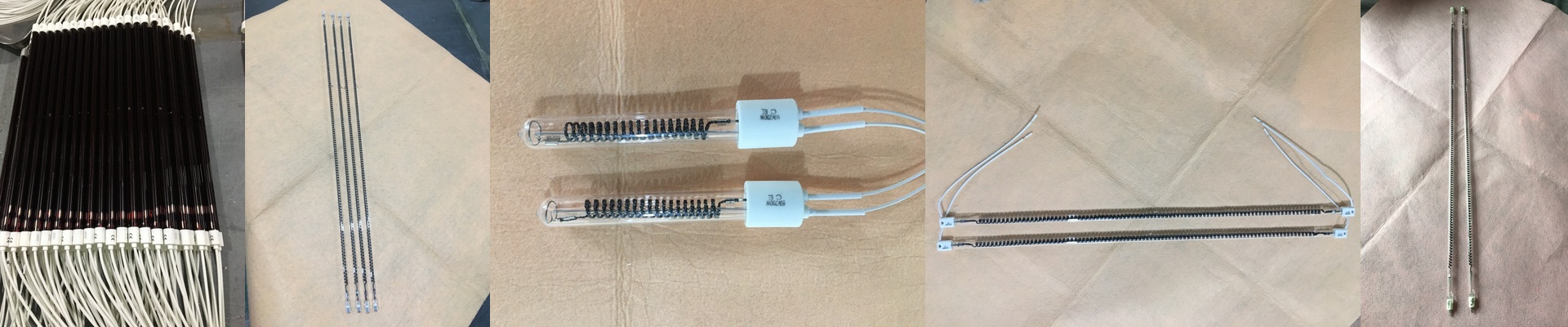
Inside, you’ve got a halogen-filled infrared element housed in a quartz tube. The halogen chemistry keeps output steady and helps the filament last longer by preventing those frustrating hot-spot burnouts. The quartz tube handles rapid temperature swings without cracking, even when you’re cycling through production all day. A reflective coating on the tube pushes IR energy forward, so less heat goes to waste and your process stays consistent. Then there’s the R7s socket. It’s the interface that makes the whole thing drop right in. You get solid contact retention and repeatable alignment, so swapping lamps is quick and clean—no re-pinning, no chasing tolerances.
The Payoff: Rework That Just Works, Every Time
On a rework bench, your goal is simple: hit the melt window, then stop. Our infrared setup gives you fast ramp-up and an immediate cutoff, so you can fix a board without toasting nearby parts. The result? Fewer touch-ups. Fewer scrapped boards. A process that operators can run without second-guessing themselves. For an electronics factory, that’s the quiet lever that moves the needle on gross margin. Less rework labor. Less material loss. More uptime. The lamp isn’t the star—the process is. But the socket and lamp have to be treated like real production tools, not disposables.
Keep It Real: Respect the Heat
High heat density is powerful, but it needs to be handled with care. If your station runs at a high duty cycle, size the cooling and the lamp mount so the thermal envelope stays controlled. When you get that right, the OEM-grade infrared lamp socket stops being a potential bottleneck. It just becomes a dependable workhorse—quietly keeping the line moving.