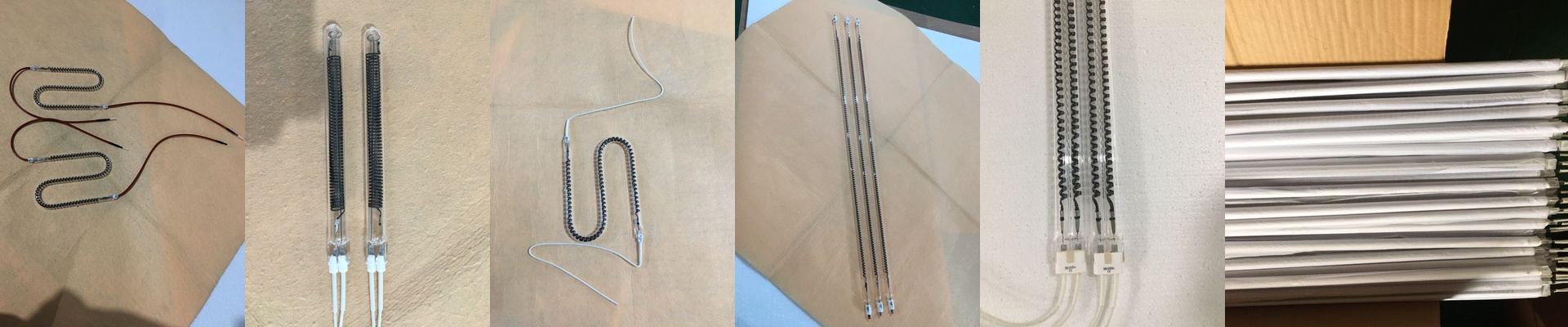
Carbon Filament Infrared Lamps: The Real Deal on Halogen Tech, R7s Connectors, and High-Power Heat
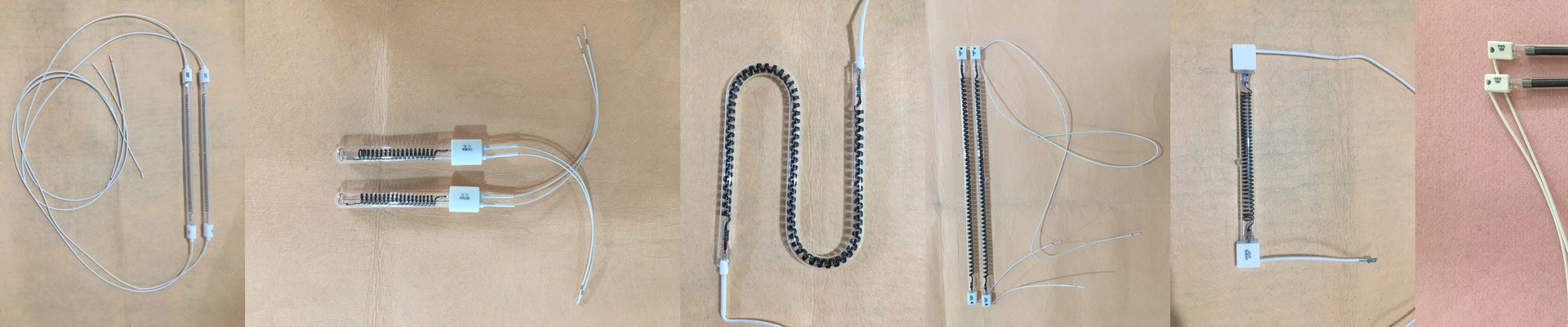
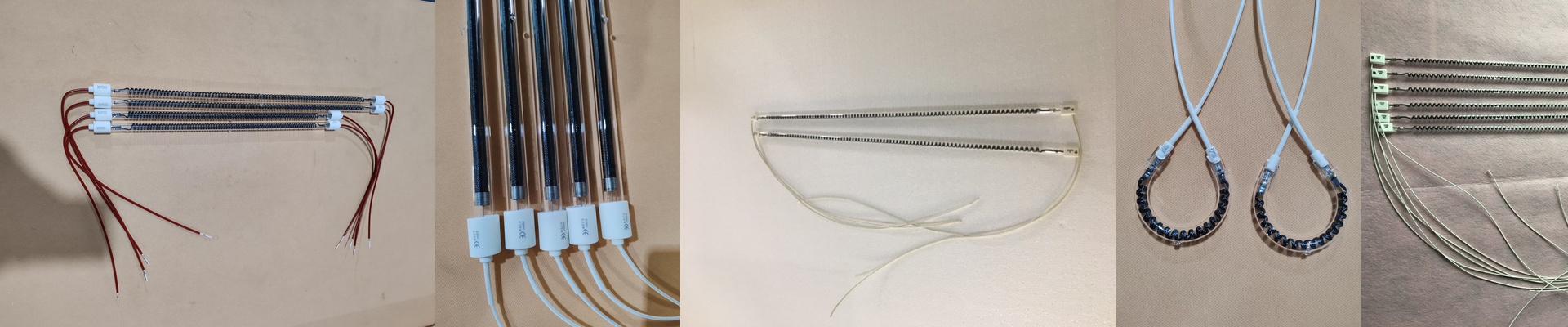
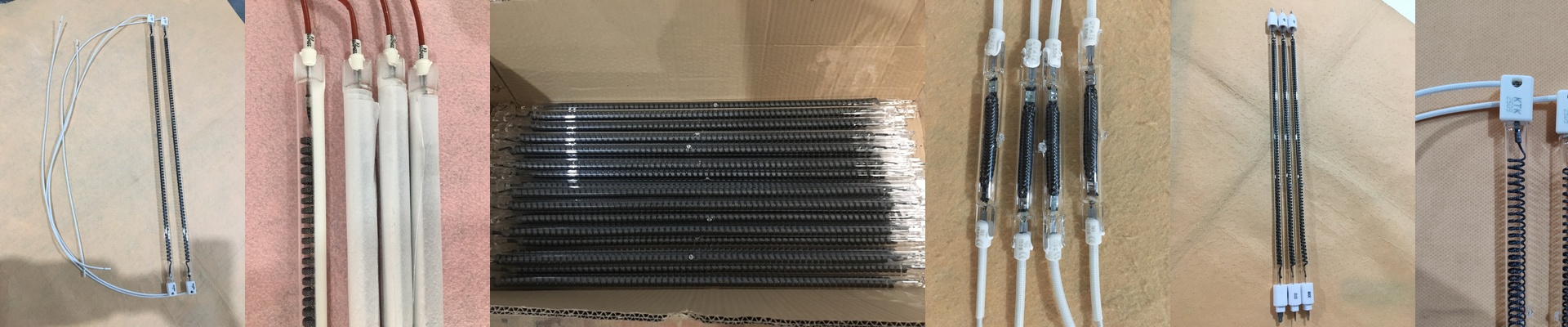
We build carbon filament infrared lamps for one simple reason: to deliver pure, focused heat when your standard heater just can’t cut it. These aren’t your everyday bulbs. They’re serious tools, engineered for industrial jobs that demand precise, high-temperature control. When you plug one in, you’re tapping into a direct heating method that puts energy right where you need it, with almost zero waste.
Power, Voltage, and Size: What Really Matters
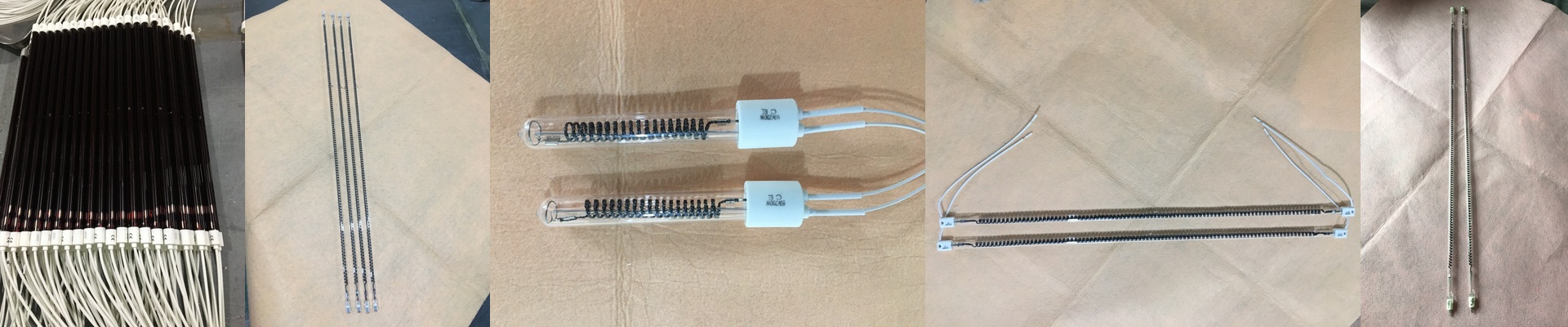
Here’s the thing about these lamps—the specs dictate the heat. Take a typical unit, for example: 2500W and 400V. That high voltage keeps the current manageable while still packing a serious power punch. The wattage? That’s your heat output. The size, usually around 300mm long, determines how that heat spreads out. A compact tube concentrates all that energy into a tight spot, creating intense heat density. Perfect for spot heating or jobs that need to cycle fast. But, and this is important, your machine’s cooling system has to be up to the task. You’re generating serious ambient heat, so you need to plan for it.
Inside the Tube: Halogen, Quartz, and the R7s Connection
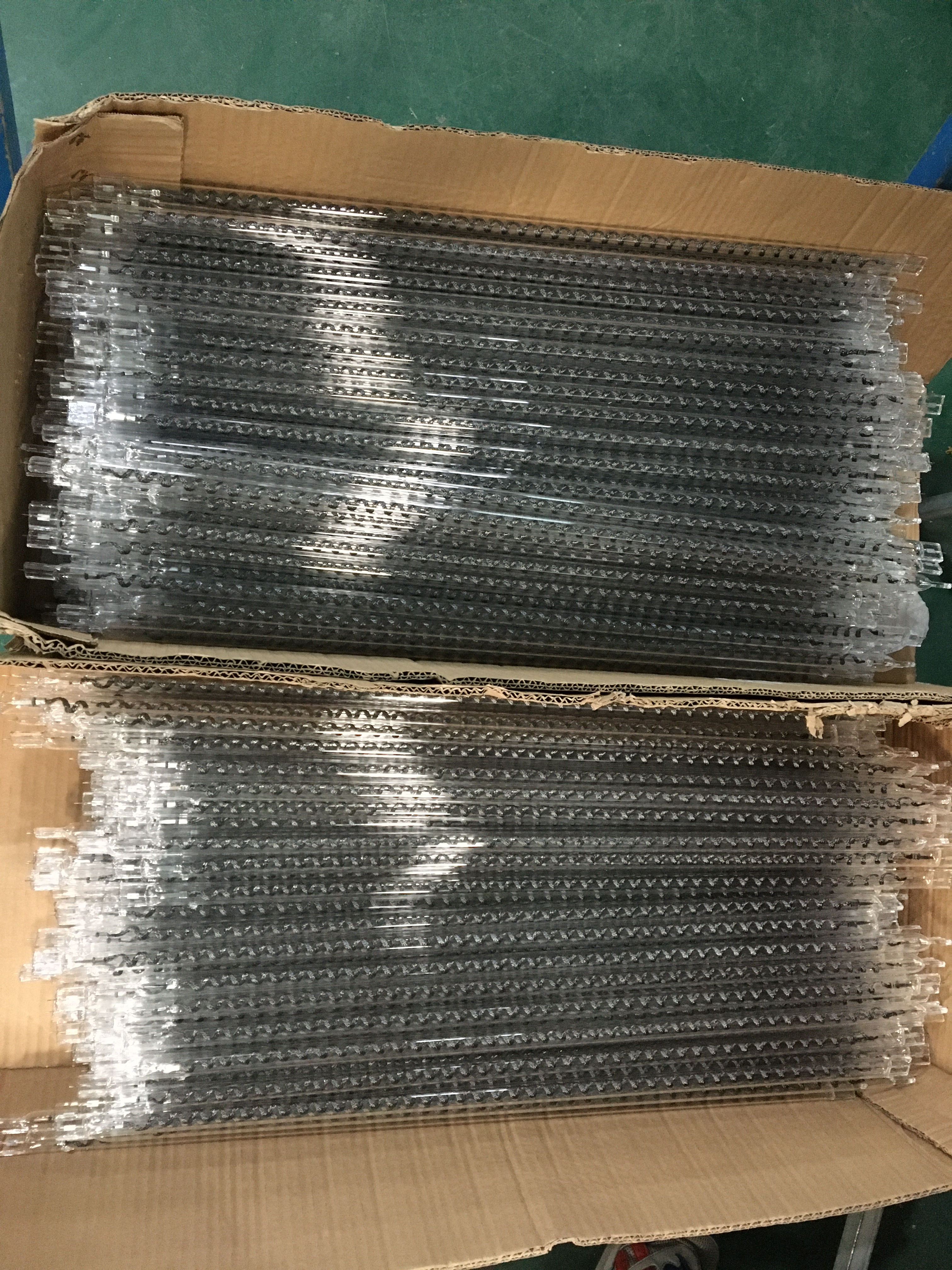
The tech inside is what makes these lamps reliable. We use a halogen cycle inside a quartz tube. The quartz is tough—it handles the extreme temperatures and stays stable. The halogen gas is the secret sauce. It keeps the carbon filament from evaporating and blackening the tube, which means you get consistent heat output for the life of the lamp. No drop-off. Just steady, reliable performance. And the connector? It’s not an afterthought. The R7s base is the standard for these linear tubes. It gives you a secure, two-point connection at both ends. This means the lamp stays firmly in place, even with vibration, and can handle the full current load without any arcing. It’s a straightforward, mechanical solution built for the shop floor.
Where They Shine: High-Density Heat in Action
These lamps are the go-to for jobs that need intense heat, right now. You’ll see them everywhere in plastic processing—think PET blowing—where the heating window is short and the temperature has to spike instantly. They’re also perfect for curing coatings or drying surfaces, where infrared energy penetrates and heats from the inside out. What you get is speed and control. The lamp hits operating temperature in seconds, so your cycle times stay fast. The focused infrared beam targets the product directly, so you’re not wasting energy heating up the surrounding machinery. That direct energy transfer makes your process more efficient and cuts down on waste. Just remember, this is a high-output heating element, not a simple light bulb. You need proper shielding and safety protocols. It also needs a control system and thermal management that match its power. When you get that right, it performs—reliably, day after day.