Carbon Film Radiant Heating: Packing Serious Heat, Without the Bulk
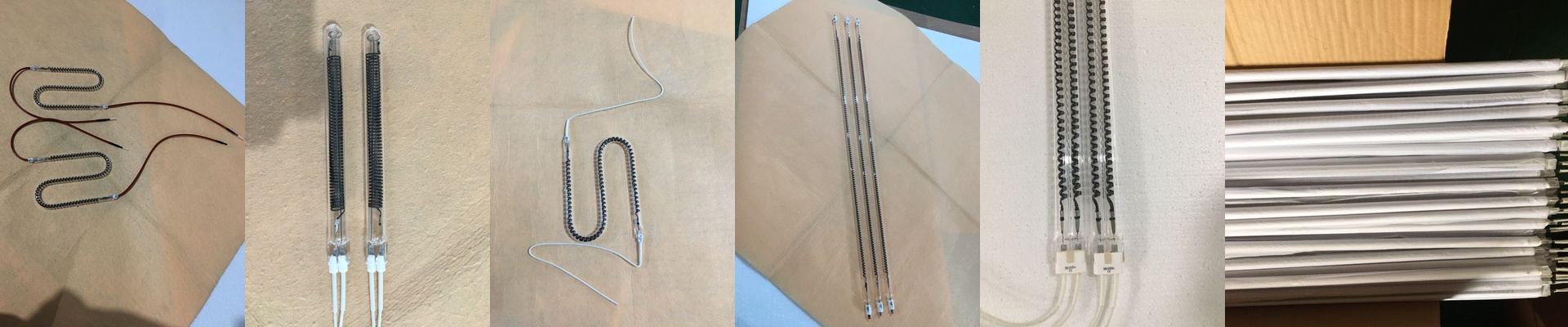
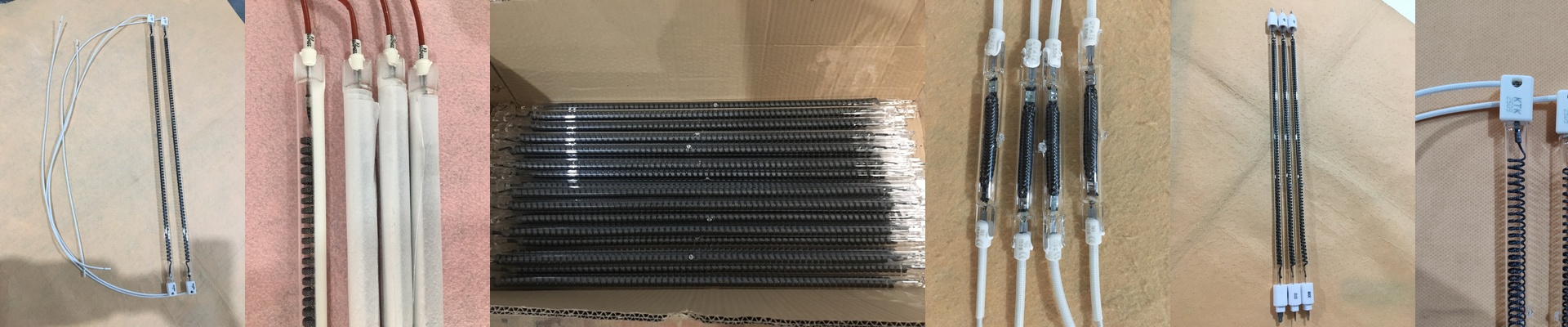
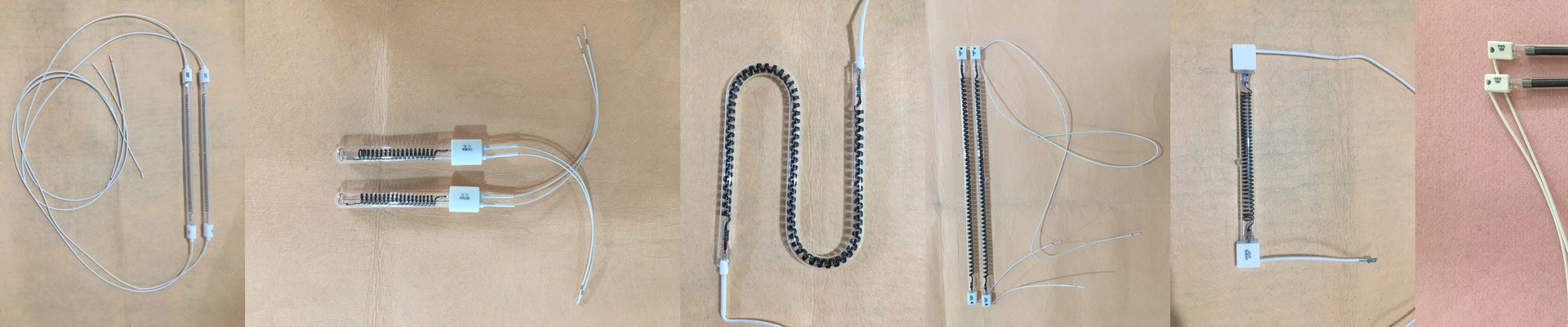
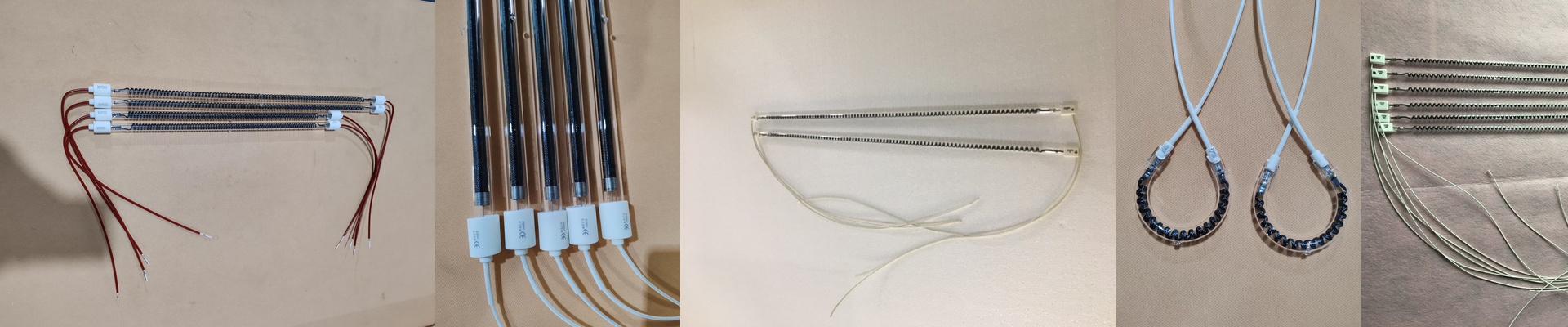
We make carbon film radiant heaters for folks who need heat fast—and under control. If you’re an engineer, you know the drill: you need intense heat, but you don’t have the space for a monster setup. These quartz tube heaters are built for that. They throw out powerful infrared heat, perfect for jobs that demand a quick temperature jump and precise control.
Power, Voltage, and Size: All in a Tight Package
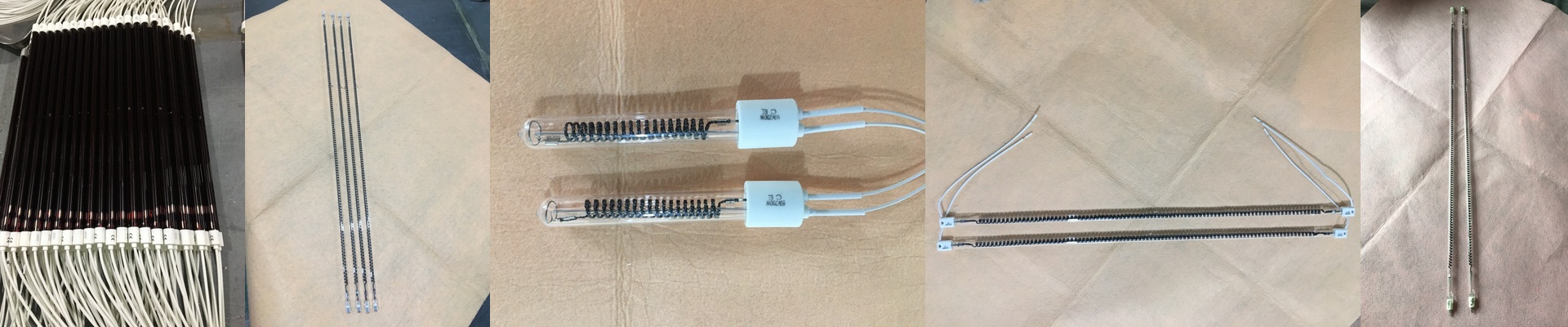
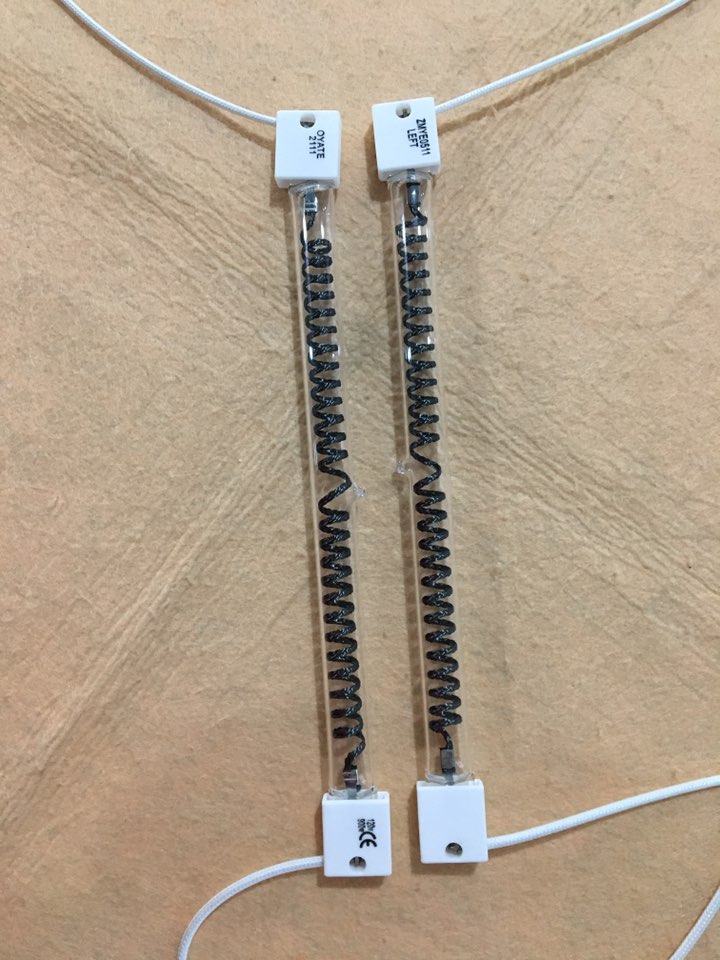
Here’s the quick version. A typical unit runs on 400V and hits 2500W. That’s a lot of power in a small space. The tube is just 300mm long, so the heat stays focused right where you need it. You get high heat density without accidentally turning the whole machine into a furnace. You can dial in the voltage and wattage to match your controller and the job. It heats up fast and holds steady. But, and this is important, plan for cooling. Packing this much power into a short tube means things get hot, fast. You’ll need solid ventilation and thermal management from the start.
Built to Last: The Film, the Coating, the Connections
The carbon film sits on a quartz tube. Why quartz? It can handle extreme heat and doesn’t crack when the temperature changes suddenly. A reflective coating on the tube pushes the energy forward. This means more heat where you want it, and less wasted. The R7s connector is a no-fuss industrial standard. It makes wiring simple and handles the current these high-wattage elements demand. The quartz body is tough, but it still needs to be mounted right. A little vibration or uneven support can lead to stress fractures, so treat it with care.
Real-World Use: Precision Heat on the Factory Floor
These heaters shine in applications like PET blowing. You need to soften the preform quickly, and the heat has to be consistent and localized. The carbon film design responds almost instantly, giving you even radiation across the target. That helps keep your cycle time steady and your results repeatable. It’s a drop-in solution that’s easy to wire and easy to maintain. The trade-off is simple: you get intense heat in a small footprint, but you have to design the surrounding system to handle that thermal load. When you need serious heat density, a quick response, and reliable performance in a demanding industrial setting, carbon film radiant heating is a solid choice.