Precision Halogen Heating for Electronics Drying: The Science Behind the Spectrum
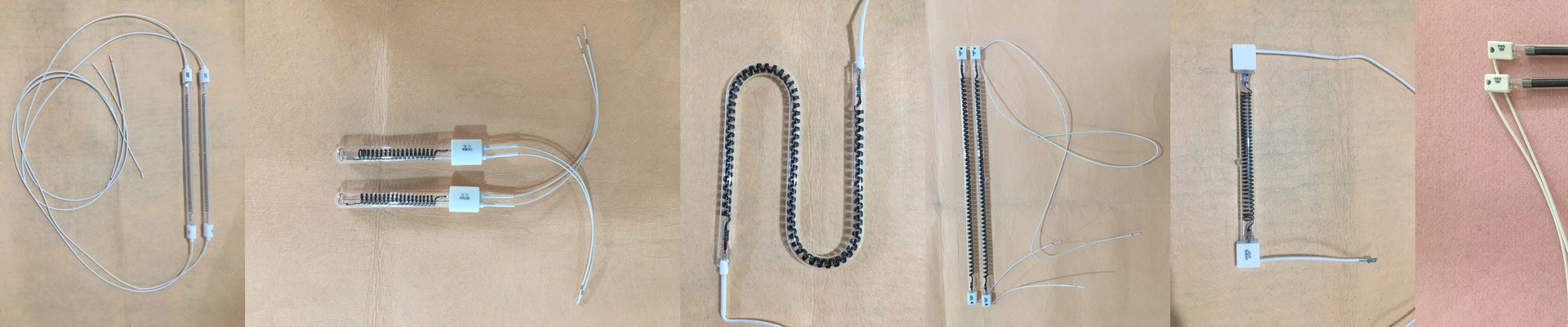
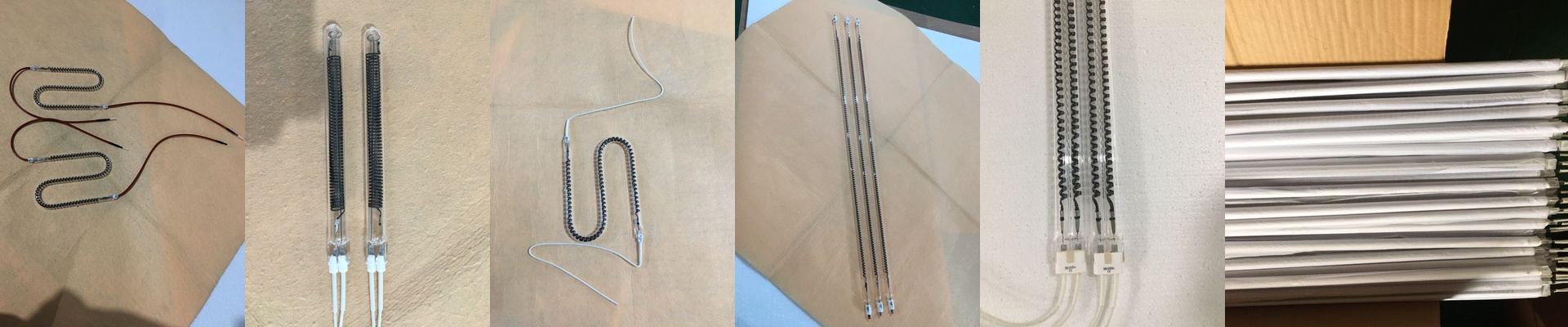
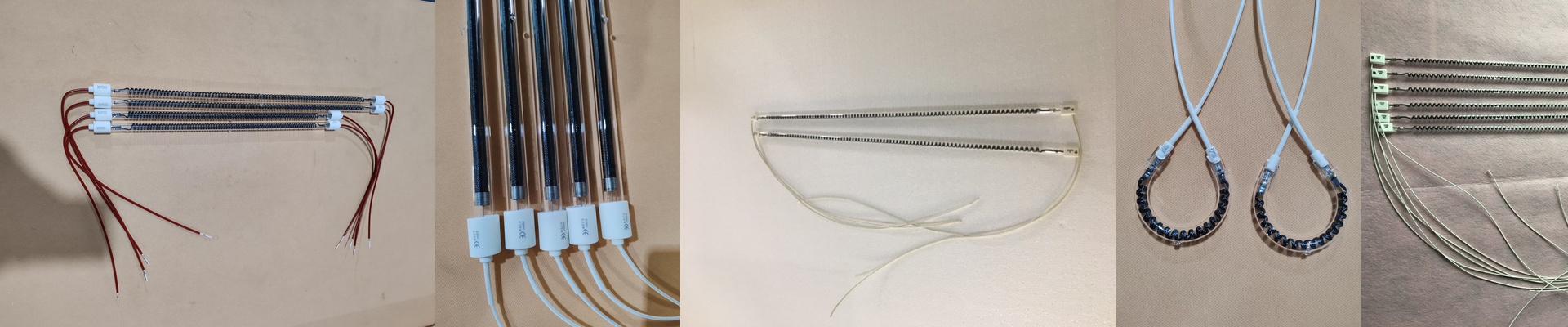
We built this halogen heating solution for one simple reason: to nail a specific wavelength with absolute accuracy. In electronics drying, heat alone isn’t enough. You need the right kind of heat, delivered exactly when and where you want it. This isn’t about brute force. It’s about precision, shaped by years of lab work and real-world testing.
Technical Deep-Dive: Power, Voltage, and Dimensions
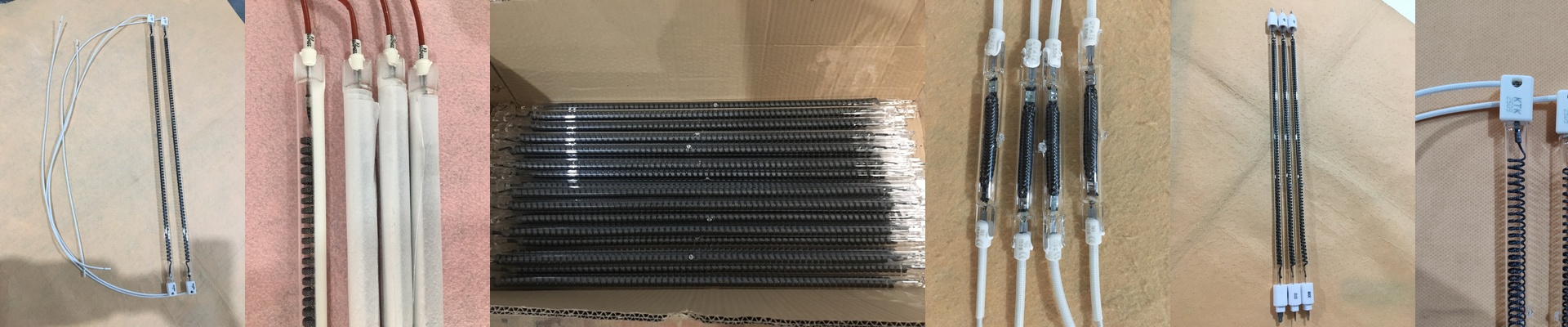
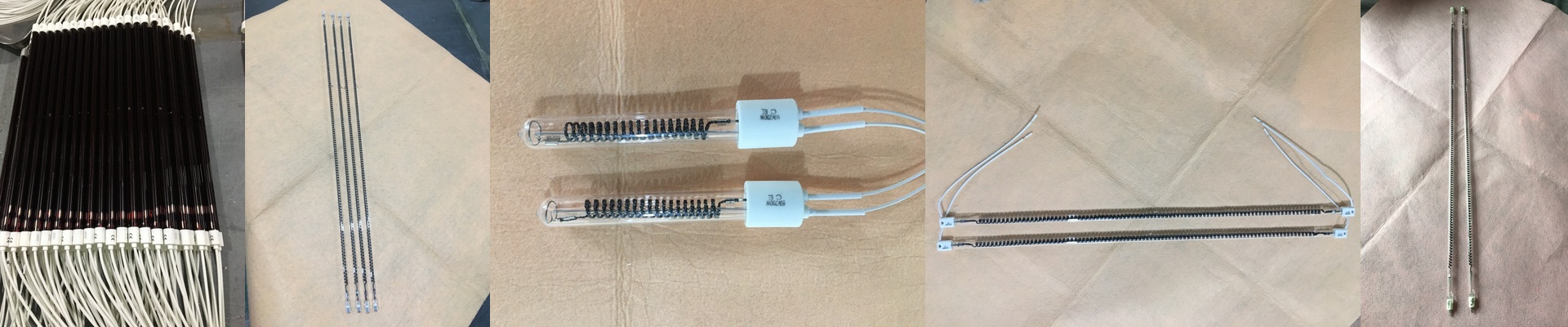
Here’s the thing about the 400V input we chose: it’s a smart move. Higher voltage means lower current for the same power. That translates to smaller wiring, less energy lost along the way, and less strain on your electrical setup. We packed 2500W of output into a 300mm tube. That gives you serious power density in a small space. Perfect when room is tight and you need things to heat up fast. But, and this is important, packing that much heat into a short tube means you need solid cooling. If your cooling can’t keep up, the temperature creeps up, and the system starts fighting itself. Plan your heat rejection from the start.
Material & Design: Coated Quartz and the R7s Connection
We went with a quartz tube because it handles sudden temperature shifts and stays stable at high heat. The real magic, though, is the coating. It fine-tunes the light spectrum, so the energy hits exactly where your electronics components and coatings absorb it best. No wasted energy blasting out broadband infrared. And the R7s base? That wasn’t an accident. It’s a tough, proven connector that stands up to high heat, gives you a solid connection, and makes installation a breeze. It fits right into many standard fixtures, so swapping out a lamp takes minutes, not hours of rewiring.
Application & Benefits: Energy Audits and Electronics Drying
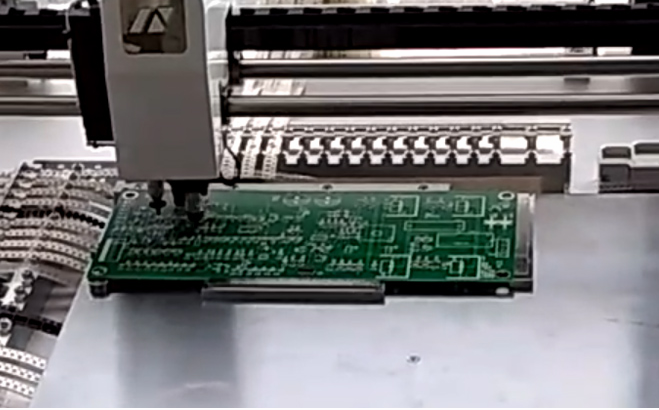
When we run energy audits on electronics drying lines, this lamp setup delivers results you can see and measure, every single time. The precise spectrum cuts down on wasted energy, which means lower kWh per cycle. The compact size lets you retrofit existing lines without a major overhaul. And with the R7s base, switching out the lamp is quick. You get a system that fires up fast, holds its temperature steady, and keeps going, even under the pressure of production. That’s the whole point of all that lab work: less guessing, more uptime, and energy use you can track with confidence.